
Contact details - TEL: +44 1446 799000
Email school

When it opened its doors in 1962, UWC’s founding school - UWC Atlantic - was designed to promote international understanding through education. To this day, the school continues to partner with the International Baccalaureate (IB) to lead in the field of education innovation. It provides a platform for young individuals to learn through shared experiences to become empowered to make a positive difference.
Contact details - TEL: +44 1446 799000
Email schoolUWC Atlantic provides two distinct two-year educational pathways for students aged 15-19: the International Baccalaureate Diploma Programme and the Systems Transformation Pathway, an innovative alternative to the traditional IB curriculum.
Average class size: 13 students
Most students follow the International Baccalaureate Diploma Programme (IBDP), which is made up of three core components and six subject groups.
Since 2023, UWC Atlantic has offered an alternative piloted educational programme in partnership with the International Baccalaureate called The Systems Transformation Pathway.
This course equips students with the skills, attitude and abilities they need to tackle complex and interdependent systemic challenges. It is fundamentally action-oriented, and it replaces written exams and classroom-based learning with relevant, ambitious, necessary work in complex and authentic real-world contexts. The bespoke curriculum shines a spotlight on Transformative Change, Systems Leadership and Just Futures across the core IBDP curriculum. Students then apply the knowledge they’ve gained, immersing themselves in the impact areas that mean the most to them personally, whether that be biodiversity, energy, food or migration. This course equips students to go beyond treating symptoms to advance transformative change at a systems level.
More information on
https://www.uwcatlantic.org/learning/academic/systems-transformation-pathway
All students at UWC complete a co-curricular programme called Creativity, Activity and Service (CAS) - an integral part of the IB qualification. Students get the opportunity to choose a physical, a creative and a social service activity.
Badminton
Basketball
Ballet Fit
Football
Boatbuilding and powerboating (Atlantic Pacific and Atlantic)
Box fit
Flootball
Rugby
Tennis
Volleyball
Lifesaving
Swimming lessons
Yoga
Zumba
Paddlesports
Sports and Outdoor Fitness
Amnesty International
Model United Nations
Ceramics
Eco Crafts
Digital Photography
Printmaking
Music composition
Painting
Drama
INK (College newspaper)
Yearbook
Venture For All
Flash (College photography)
International show
Guitar Club
Programming
Orchestra
College Choir
Cookery Club
World News
Girl-up
LASS (Land and sea stewardship)
Croeso Llantwit
Lighthouse Project (UWC Initiatives)
Music: Therapy for dementia patients
Cardiff refugees programme
Visiting elderly people's residential homes
Computer Club for elderly
Supporting in local primary schools
Campus Care (gardening, valley and building projects)
Sustainable technology
Sheep farming
Donkey care and therapy
Swap Shop
Kitchen service
Aquatic confidence sessions for local children
Outdoor programme (ALP) – sessions for local school children
Civic Engagement (for local young people on campus)
Global Education Programme (for local children on campus)
Language Guides
Peer Listeners
Cycle Scheme
Activity Friend (Dementia befriending)
Valeways (Maintain footpaths throughout the countryside)
Development Office
Chicken Service
Movement for Life (Tai Chi for Local residents to come into campus)
The campus hosts an arts centre, where student-led productions, community meetings and film screenings take place, and the historic castle includes a library and gothic styled dining hall. Surrounded by woodland and situated on the seafront, students are also eligible to volunteer at the National Coastwatch Institution Station, which assists in the protection and preservation of life at sea.
Medical Centre
Theatre Stage
Outdoor Swimming Pool
Indoor Swimming Pool
Basketball Courts
Tennis Courts
Art Centre
Music Studio
Football Pitch
Library
Sports hall with gym and dance studio
Multi-faith prayer room
Anglican chapel
Climbing wall
There are eight student residences. Typically, boys and girls are separately accommodated on different floors/wings. Most students are in rooms of four with nationalities and cultures deliberately mixed. All houses have a common room, kitchen and a quiet/study room with computer and Wi-Fi access.
The school supports students’ academic and emotional wellbeing through:
You can apply to UWC Atlantic through your UWC national committee (NC) or through the UWC Global Selection Programme.
No Short Course found.
Sorry!
Filter
When it opened its doors in 1962, UWC’s founding school – UWC Atlantic – was designed to promote international understanding through education. To this day, the school continues to partner with the International Baccalaureate (IB) to lead in the field of education innovation. It provides a platform for young individuals to learn through shared experiences to become empowered to make a positive difference.
UWC Atlantic provides two distinct two-year educational pathways for students aged 15-19: the International Baccalaureate Diploma Programme and the Systems Transformation Pathway, an innovative alternative to the traditional IB curriculum.
Average class size: 13 students
Most students follow the International Baccalaureate Diploma Programme (IBDP), which is made up of three core components and six subject groups.
Since 2023, UWC Atlantic has offered an alternative piloted educational programme in partnership with the International Baccalaureate called The Systems Transformation Pathway.
This course equips students with the skills, attitude and abilities they need to tackle complex and interdependent systemic challenges. It is fundamentally action-oriented, and it replaces written exams and classroom-based learning with relevant, ambitious, necessary work in complex and authentic real-world contexts. The bespoke curriculum shines a spotlight on Transformative Change, Systems Leadership and Just Futures across the core IBDP curriculum. Students then apply the knowledge they’ve gained, immersing themselves in the impact areas that mean the most to them personally, whether that be biodiversity, energy, food or migration. This course equips students to go beyond treating symptoms to advance transformative change at a systems level.
More information on
https://www.uwcatlantic.org/learning/academic/systems-transformation-pathway
All students at UWC complete a co-curricular programme called Creativity, Activity and Service (CAS) – an integral part of the IB qualification. Students get the opportunity to choose a physical, a creative and a social service activity.
The campus hosts an arts centre, where student-led productions, community meetings and film screenings take place, and the historic castle includes a library and gothic styled dining hall. Surrounded by woodland and situated on the seafront, students are also eligible to volunteer at the National Coastwatch Institution Station, which assists in the protection and preservation of life at sea.
There are eight student residences. Typically, boys and girls are separately accommodated on different floors/wings. Most students are in rooms of four with nationalities and cultures deliberately mixed. All houses have a common room, kitchen and a quiet/study room with computer and Wi-Fi access.
The school supports students’ academic and emotional wellbeing through:
You can apply to UWC Atlantic through your UWC national committee (NC) or through the UWC Global Selection Programme.
No Short Course found.
Sorry!

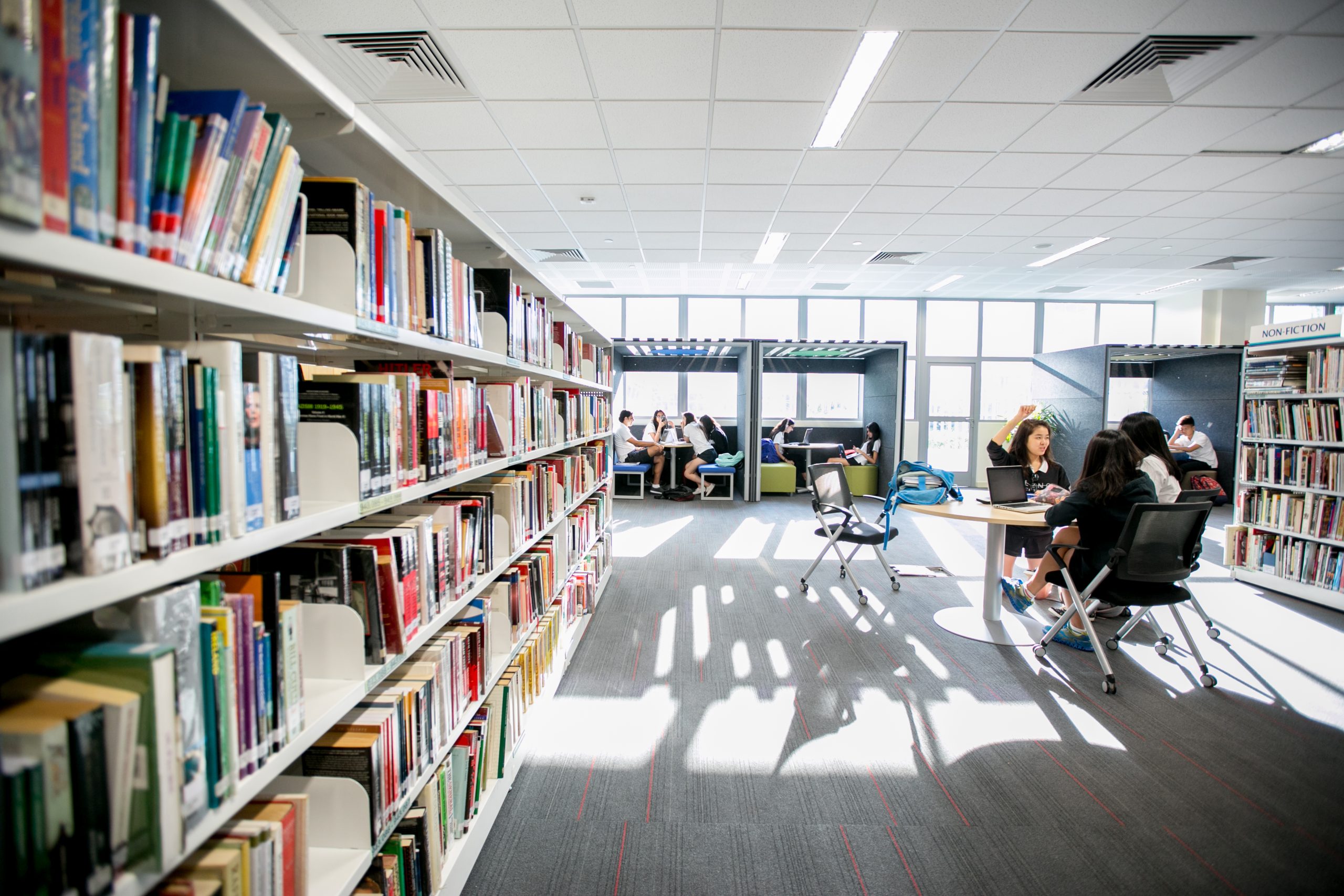

UWC South East Asia (UWC SEA) became a full member of the UWC movement in 1975. In 1998, the college expanded to include a younger years programme accepting students from 4 years old to become a K-12 school. In 2011, a second campus opened, making UWC SEA the largest of the UWC colleges, with students from more than 100 countries and more than 90 languages spoken. UWC SEA offers a K-12 holistic and concept-based curriculum. The International Baccalaureate (IB) is offered in Grades 11-12, and applications are open for day students and residential boarding from Grade 8.
In the final two years, students follow the International Baccalaureate Diploma Programme (IBDP), which is made up of three core components and six subject groups.
Average class size: 22
* subject is offered at Dover Campus only
IB Systems Transformation: Leadership for Change is an innovative new course, carefully designed by passionate and experienced educators in partnership with the IB. It is for students looking for further challenges and authentic, project-based experiences in their learning journey. This course will also help shift the IB Diploma worldwide towards a more flexible model with more real-world learning, more authentic assessment and greater student agency.
The Systems Transformation Pathway focuses on three areas:
Through project-based learning, students explore how to connect and lead others; how to understand and navigate complex systems; and how to be resilient and adaptable in the face of challenges and failures. There are five distinct areas in which skills and capabilities will be taught and assessed in this course. These are: Project and Change Management; Leadership; Systems Thinking; Design Thinking; and Changemaker Mindsets.
The IB Systems Transformation: Leadership for Change is assessed entirely by coursework, balanced over the two years of the programme.
All IBDP students at UWC complete a co-curricular programme called Creativity, Activity and Service (CAS) – an integral part of the IB qualification. Students get the opportunity to choose a physical, a creative and a social service activity.
Students are involved in CAS for the whole of their IB Diploma and ideally spend 3-4 hours a week engaged in an extracurricular pursuit. Many experiences involve a benefit to the community and encourage students to consider global issues and the ethical outcomes of their participation.
UWC SEA campuses offer exceptional facilities suited to the hands-on and technologically integrated learning programme. Equipped with state-of-the-art technology and tools, both campuses provide an environment to support all five elements of our learning programme.
Dover Campus has a capacity for 185 students in its two residential houses. East Campus (Tampines House) has a capacity for 155 students in a single residence. The gender split (50/50) across both campuses is maintained wherever possible, and approximately 70% of the students are in their IB Diploma years. Dover residents are in rooms of four with a shared ensuite bathroom. East residents in Grades 8-9 are in rooms of four, Grades 10-11 are in rooms of two, and Grade 12 residents have a single room with a sink. Shared, single-gender bathroom facilities are located at opposite ends of Tampines House.
The school supports students’ academic and emotional well-being through:
You can apply through your UWC national committee (NC). Direct applications are also possible. For more information about UWC South East Asia, visit the website.