UWC Changshu China

UWC Changshu China

620 Students | 15-19-years

Jiangsu, China

2015

Banner imageBanner imageBanner image

UWC Changshu China (UWC CSC) was founded in 2015 as the first UWC on the mainland of China through the initiative of a UWC alum, Mark Jiapeng Wang. Since its opening, the College has grown considerably and is today home to 620 students. UWC Changshu China consists of Grades 10, 11 and 12 (also known as the pre- IBDP and IBDP years) with most international students attending UWC CSC for Grades 11 and 12.

Three Unique Features
  • Chinese culture: Every student will take at least one Chinese course, be it language, literature or culture, creating an immersive environment of Mandarin Chinese as well as a rich Chinese cultural context to support teaching and learning. Meanwhile, the Zhi Xing programme (“learning by doing”) enables the exploration of Chinese culture through interactions with the wider community. 
  • Youth leadership: Many of the Zhi Xing activities have student leaders, who use their knowledge and experience to help their classmates to excel in these activities, acting as positive role models for their peers whilst also challenging themselves.
  • Environmental stewardship: Students participate in activities such as recycling, organic farming and wetland protection, making a positive impact on the community.

Our students follow the International Baccalaureate Diploma Programme (IBDP), which is made up of three core components and six subject groups. At UWC CSC, students are encouraged to explore Chinese culture in the context of dialogue between "people, nations and cultures," building bridges and improving understanding.

Average class size: 20 students

The Pre-IBDP (foundation) programme

UWC Changshu China offers a Pre-IBDP programme for Grade 10 students as well as the International Baccalaureate Diploma Programme (IBDP) curriculum. The Pre-IBDP programme aims for students to acquire the skills and knowledge needed for successful entry into the IBDP programme.

International Baccalaureate Diploma Programme
Core components

Theory of Knowledge: Students reflect on the nature of knowledge and on how we claim what we know.

The Extended Essay: An independent, self-directed piece of research finishing with a 4,000-word paper.

Creativity, Activity, Service (CAS): Students take part in a range of experiences and at least one project.

Subjects
  • Studies in language and literature: English Literature, English Language and Literature, Chinese Literature, Chinese Language and Literature, Spanish Literature, Spanish Language and Literature, School Supported Self-Taught Literature
  • Language acquisition: Chinese B, English B, French Ab Initio, French B, German Ab Initio, German B, Spanish Ab Initio, Spanish B
  • Individuals and societies: Economics, Environmental Systems & Societies, Geography, History, Philosophy, Psychology
  • Sciences: Biology, Chemistry, Physics, Environmental Systems & Societies
  • Mathematics: Maths - Analysis and Approaches, Maths - Applications and Interpretation
  • The arts: Music, Film, Theatre, Visual Arts
Co-curricular

All students at UWC complete a co-curricular programme called Creativity, Activity and Service (CAS) - an integral part of the IB qualification. Students get the opportunity to choose a physical, a creative and a social service activity.

Physical activities

Badminton

Basketball

Climbing

Football

Kayaking

Cycling

Sailing (Keelboats and Zest)

Yoga

Tennis

Volleyball

Table Tennis

Swimming

Frisbee

Archery

CSC Rescue

Creative activities

Model United Nations

Yearbook

Music

Orchestra

College Choir

World News

GIF

English Debate

Chinese debate

Girls Coding

Fashion

Creative Writing Across Media

Gardening

Bird conservation

Dragon Dance

Lion Dance

Chinese Performing Art‘School Play’)

CSC Big Band

Polyphonic

Hip Hop Dance

Theaomai theatre

China Band

Mock Trial

Entrepreneurship

Misland Periodic Office

CSC Community

Cinematography Program

Social service

PVO

Math Circle

ULAB

History Bee

HOPE

New Chapter: Library Committee

PSYCHO-PHILO

Econ & Fin Society

Children of star

Peer Supporter Group

Them

ASAP

Life Tracing

FRC

U-SCRIPT

THINKERS

Tech Crew

Media Group

The CSC Occurrences News

TEDx

Plastic 0%

A Drop of Kuncheng Lake

Eco-warriors

One Room

HEALF

Chiwise

Linguistics

Spectrum

Bye-Binary

SAWA-Share Art with All

UWC Changshu is a newly built, state-of-the-art school. It was designed by a protégé of renowned architect I.M. Pei. The campus is impeccably landscaped in the style of a traditional Chinese garden and is situated on the edge of the Kuncheng Lake, with our own harbour where sailing, kayaking, paddle boards, dinghies and Dragon Boats are berthed.

Medical Centre

Theatre Stage

Indoor Swimming Pool

Gym

Basketball Courts

Tennis Courts

Art Centre

Music Room

Design studio

Football pitch

Black Box

Water sports on Kuncheng (sailing, kayaking, Dragon boats, Stand up Paddleboarding)

Wellness Centre

Residential accommodation:

Each room has four students, accommodated in houses of around 50 students. Each student has a bed, a desk with a window view and a wardrobe. The common rooms serve as spaces for students to study, relax and enjoy each other's company. The UWC Diploma Programme students are accommodated on the main campus in 11 student houses, supported by a Head of House and advisors.

UWC CSC can place students with host families during extended holidays and help to provide options over winter breaks.

Medical provisions:
  • Six full-time nurses
  • Health centre
  • Four social and emotional well-being counsellors
  • Agreements with local and regional hospitals.
Academic and emotional wellbeing

The school supports students’ academic and emotional wellbeing through:

  • Students partnered with tutor who provides guidance and support to tutor group 
  • Head of House and Director of Student Welfare 
  • Wellbeing programme (sleep, nutrition, exercise, study skills) for first year students 
  • Two part-time college counsellors 
  • Trained student peer supporters

You can apply through your UWC national committee (NC) or through the UWC Global Selection Programme. Direct applications are also possible for Foundation Programme. For more information about UWC Changshu China, visit the website.

Filter

UWC Changshu China

UWC Changshu China

620 Students | 15-19-years

Jiangsu, China

2015

Banner imageBanner imageBanner image

UWC Changshu China (UWC CSC) was founded in 2015 as the first UWC on the mainland of China through the initiative of a UWC alum, Mark Jiapeng Wang. Since its opening, the College has grown considerably and is today home to 620 students. UWC Changshu China consists of Grades 10, 11 and 12 (also known as the pre- IBDP and IBDP years) with most international students attending UWC CSC for Grades 11 and 12.

Three Unique Features

  • Chinese culture: Every student will take at least one Chinese course, be it language, literature or culture, creating an immersive environment of Mandarin Chinese as well as a rich Chinese cultural context to support teaching and learning. Meanwhile, the Zhi Xing programme (“learning by doing”) enables the exploration of Chinese culture through interactions with the wider community. 
  • Youth leadership: Many of the Zhi Xing activities have student leaders, who use their knowledge and experience to help their classmates to excel in these activities, acting as positive role models for their peers whilst also challenging themselves.
  • Environmental stewardship: Students participate in activities such as recycling, organic farming and wetland protection, making a positive impact on the community.

Our students follow the International Baccalaureate Diploma Programme (IBDP), which is made up of three core components and six subject groups. At UWC CSC, students are encouraged to explore Chinese culture in the context of dialogue between “people, nations and cultures,” building bridges and improving understanding.

Average class size: 20 students

The Pre-IBDP (foundation) programme

UWC Changshu China offers a Pre-IBDP programme for Grade 10 students as well as the International Baccalaureate Diploma Programme (IBDP) curriculum. The Pre-IBDP programme aims for students to acquire the skills and knowledge needed for successful entry into the IBDP programme.

International Baccalaureate Diploma Programme

Core components

Theory of Knowledge: Students reflect on the nature of knowledge and on how we claim what we know.

The Extended Essay: An independent, self-directed piece of research finishing with a 4,000-word paper.

Creativity, Activity, Service (CAS): Students take part in a range of experiences and at least one project.

Subjects

  • Studies in language and literature: English Literature, English Language and Literature, Chinese Literature, Chinese Language and Literature, Spanish Literature, Spanish Language and Literature, School Supported Self-Taught Literature
  • Language acquisition: Chinese B, English B, French Ab Initio, French B, German Ab Initio, German B, Spanish Ab Initio, Spanish B
  • Individuals and societies: Economics, Environmental Systems & Societies, Geography, History, Philosophy, Psychology
  • Sciences: Biology, Chemistry, Physics, Environmental Systems & Societies
  • Mathematics: Maths – Analysis and Approaches, Maths – Applications and Interpretation
  • The arts: Music, Film, Theatre, Visual Arts
Co-curricular

All students at UWC complete a co-curricular programme called Creativity, Activity and Service (CAS) – an integral part of the IB qualification. Students get the opportunity to choose a physical, a creative and a social service activity.

Physical activities

Badminton
Basketball
Climbing
Football
Kayaking
Cycling
Sailing (Keelboats and Zest)
Yoga
Tennis
Volleyball
Table Tennis
Swimming
Frisbee
Archery
CSC Rescue
Creative activities

Model United Nations
Yearbook
Music
Orchestra
College Choir
World News
GIF
English Debate
Chinese debate
Girls Coding
Fashion
Creative Writing Across Media
Gardening
Bird conservation
Dragon Dance
Lion Dance
Chinese Performing Art‘School Play’)
CSC Big Band
Polyphonic
Hip Hop Dance
Theaomai theatre
China Band
Mock Trial
Entrepreneurship
Misland Periodic Office
CSC Community
Cinematography Program
Social service

PVO
Math Circle
ULAB
History Bee
HOPE
New Chapter: Library Committee
PSYCHO-PHILO
Econ & Fin Society
Children of star
Peer Supporter Group
Them
ASAP
Life Tracing
FRC
U-SCRIPT
THINKERS
Tech Crew
Media Group
The CSC Occurrences News
TEDx
Plastic 0%
A Drop of Kuncheng Lake
Eco-warriors
One Room
HEALF
Chiwise
Linguistics
Spectrum
Bye-Binary
SAWA-Share Art with All

UWC Changshu is a newly built, state-of-the-art school. It was designed by a protégé of renowned architect I.M. Pei. The campus is impeccably landscaped in the style of a traditional Chinese garden and is situated on the edge of the Kuncheng Lake, with our own harbour where sailing, kayaking, paddle boards, dinghies and Dragon Boats are berthed.

Medical Centre
Theatre Stage
Indoor Swimming Pool
Gym
Basketball Courts
Tennis Courts
Art Centre
Music Room
Design studio
Football pitch
Black Box
Water sports on Kuncheng (sailing, kayaking, Dragon boats, Stand up Paddleboarding)
Wellness Centre
Residential accommodation:

Each room has four students, accommodated in houses of around 50 students. Each student has a bed, a desk with a window view and a wardrobe. The common rooms serve as spaces for students to study, relax and enjoy each other’s company. The UWC Diploma Programme students are accommodated on the main campus in 11 student houses, supported by a Head of House and advisors.

UWC CSC can place students with host families during extended holidays and help to provide options over winter breaks.

Medical provisions:

  • Six full-time nurses
  • Health centre
  • Four social and emotional well-being counsellors
  • Agreements with local and regional hospitals.
Academic and emotional wellbeing

The school supports students’ academic and emotional wellbeing through:

  • Students partnered with tutor who provides guidance and support to tutor group 
  • Head of House and Director of Student Welfare 
  • Wellbeing programme (sleep, nutrition, exercise, study skills) for first year students 
  • Two part-time college counsellors 
  • Trained student peer supporters

You can apply through your UWC national committee (NC) or through the UWC Global Selection Programme. Direct applications are also possible for Foundation Programme. For more information about UWC Changshu China, visit the website.
UWC ISAK Japan

UWC ISAK Japan

200 Students | 15-18-years

Nagano, Japan

2014

Banner imageBanner imageBanner image

Located in Karuizawa, UWC ISAK Japan opened in 2014 and became a UWC school in 2017. Co-founded by Lin Kobayashi and Mamoru Taniya and supported by “100 Founders”, the school reflects Lin Kobayashi’s passion for global education, which she developed as a student at Pearson College UWC in Canada. UWC ISAK’s aim is to educate young leaders from around the globe to be catalysts for positive change.

Three Unique Features

  • Leadership programme: Through an innovative leadership programme, combining the practice of mindful self-discipline and design innovation, students discover what is most important to them and work to become catalysts for positive change. Leadership practice is integrated into all aspects of life including academics, co-curricular and the residential experience.
  • Student-led approach: Student autonomy is emphasised and encouraged. Students are empowered to start and lead clubs, plan activities and campus events and establish and maintain policies surrounding dorm life.
  • Japanese language & culture: The opportunity to study Japanese language, regular outings and excursions give students opportunities to explore Japanese culture, history and traditions. Students can learn the art of Japanese flower arranging and attend a tea ceremony; visit castles, hot springs, temples and shrines; join in the fun at local festivals and performances; visit museums, plan a homestay and more!

Our students follow the International Baccalaureate Diploma Programme (IBDP), which is made up of three core components and six subject groups.

Average class size: 18 students

International Baccalaureate Diploma Programme

Core components

  • Theory of Knowledge: Students reflect on the nature of knowledge and on how we claim what we know.
  • The Extended Essay: An independent, self-directed piece of research finishing with a 4,000-word paper.
  • Creativity, Activity, Service (CAS): Students take part in a range of experiences and at least one project.
Subjects

  • Studies in language and literature: English Literature, English Language and Literature, Chinese Literature, Japanese Literature, Spanish Language and Literature, School Supported Self-Taught Literature
  • Language acquisition: English B, Japanese B, Spanish B, Chinese Ab Initio, Japanese Ab Initio, Spanish Ab Initio
  • Individuals and societies: Economics, History, Global Politics
  • Sciences: Biology, Chemistry, Physics, Environmental Systems & Societies, Computer Science
  • Mathematics: Maths – analysis and approaches, Maths – applications and interpretation
  • The arts: Visual Arts, Theatre, Film
The Pre-IBDP Programme

UWC ISAK Japan welcomes boarding students between the ages of 15 and 19. Fifteen-year-old students can join the school as part of its three-year high school programme, which emphasises its flagship Leadership Programme in Grade 10, before merging with the two-year IBDP in Grade 11 (16-19 year-olds).

Co-curricular

All students at UWC complete a co-curricular programme called Creativity, Activity and Service (CAS) – an integral part of the IB qualification. Students get the opportunity to choose a physical, a creative and a social service activity.

Students are in charge of developing and running their own CAS projects in groups of eight or more students, so projects change from year to year. For example, recent CAS projects have addressed clothing recycling, environmental issues and sustainability, fundraising and support for Nepal, educational support for refugees in Asia, LGBTQ+ community advocacy, food waste and youth outreach.

Physical activities

Aikido
Badminton Mixed
Ballet
Bouldering Club
Boys Basketball
Boys Volleyball
Casual Football
Competitive Soccer
Cross Country/Triathlon
Curling
Dance
Girls Basketball
Girls Gym
Girls Volleyball
Gladiator Fitness
Golf
Gym & Fitness
Netball
Rugby
Swimming
Tennis
Touch Rugby
Track & Field
Yoga & Meditation
Creative activities

Art
Band
Book
Cataclysm
Chess
Debate
Entrepreneurship
Fashion/sustainable fashion
Creative Writing
Feminism
Film
French
Global Affairs
International Baking
ISAK Decorating
Journalism
Math
Merchandise
Model United Nations
Orchestra
Photography
Politics
Pottery
Programming
Rainbow Alliance
Tea Ceremony
TEDx
Theatre
Theatre design
Yearbook
Social service

ARDEI
Peace Forum
Academic Support Team
Exhibition
Game
Guest Speaker
ICE – ISAK Cultural Events
Japanese Excursion
Lead Ambassador
Makers
Peer Support Programme
Residential Assistants
SNOW
Sustainable Farming
Sustainable School Initiative
Tech Crew
Terraforming Club
Islamic Studies
Work with elderly
Work with young children

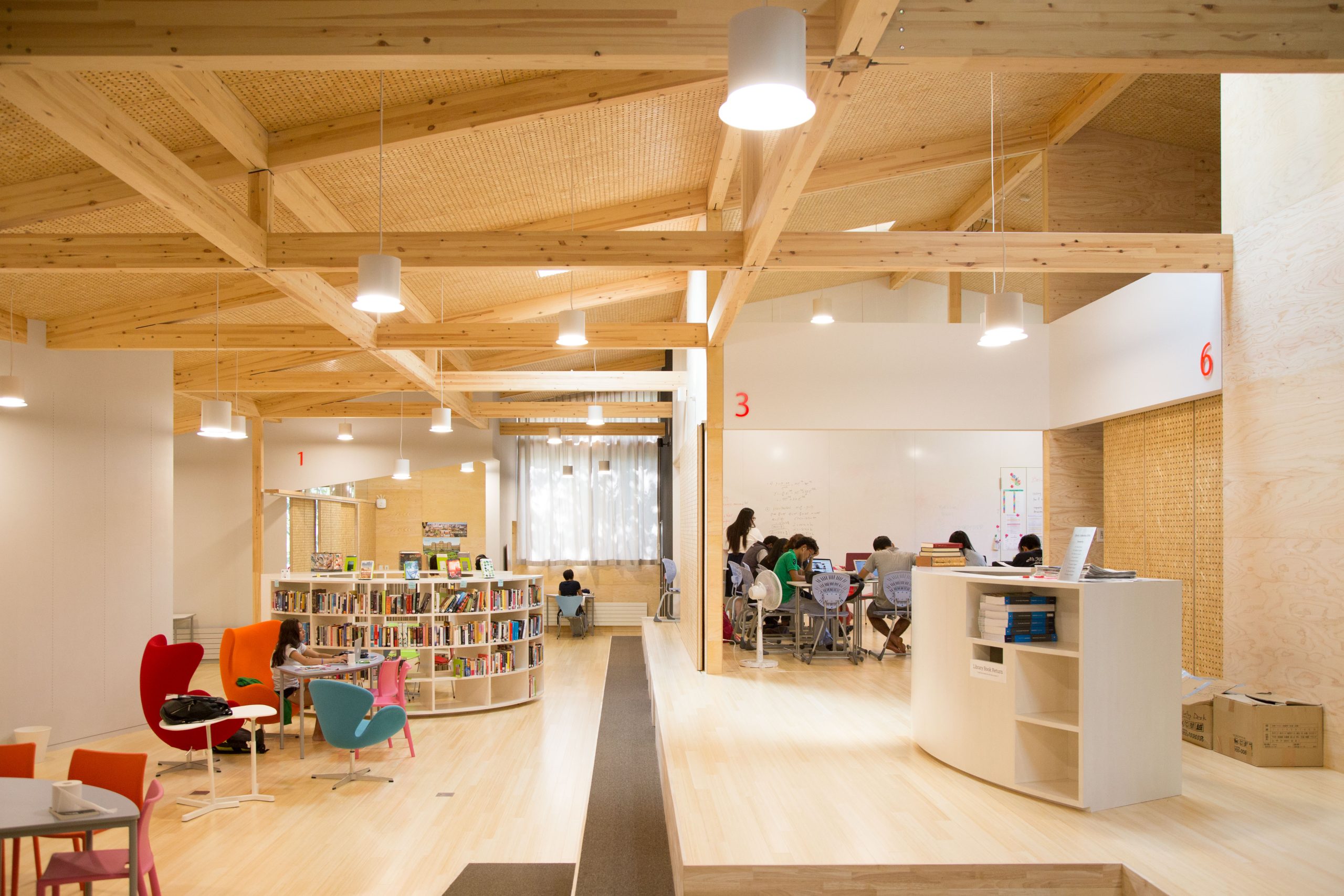
The UWC ISAK Japan campus is located in Karuizawa, a beautiful mountain resort community located approximately 70 minutes by bullet train from Tokyo. As well as modern facilities, students have regular access to exceptional local athletic facilities.

Multi-purpose Centre
Theatre stage
Cafeteria with deck terrace
Science Labs
Full-size Gymnasium
Basketball courts
Bouldering Wall
Athletic Field
Library
Four Student & Faculty Residences
Creative Centre
Darkroom
Classrooms for Art, Makerspace, Film & Theatre and Outdoor Education
Student Lounge, Study Rooms, University Advising Offices
Health & Wellness Centre featuring a Health Centre and dedicated rooms for Fitness, Meditation, Counselling and Isolation.
Residential accommodation:

There are four mixed-gender student residences. Rooms are deliberately mixed with overseas students and local students. All residences have a day room/common room and laundry room. UWC ISAK Japan offers both single-sex residences and blended houses with students sharing either a two-person or four-person bedroom. Blended houses have gender-neutral toilets and showers, as well as single-sex showers. Rooms are diverse, with students coming from different countries and cultural backgrounds. Each house includes a common area, a small kitchen and laundry facilities.

Students are expected to return home between Year one and Year two. The school provides on-campus housing or alternatives for students unable to go home for winter break. Full-time teachers also live on campus with everyone playing a significant role in the college community, creating and supporting each other’s UWC experience.

Medical provisions

  • Two full-time nurses
  • Weekly campus visits by a local doctor
  • Access to local medical and dental facilities
  • Students covered by Japan’s National Health Insurance
Academic and emotional well-being

The school supports students’ academic and emotional well-being through:

  • House mentors who support students in their residential setting 
  • Two school counsellors providing one-to-one support
  • An experienced Pastoral Care team, led by a Deputy Head of Pastoral 

You can apply through your UWC national committee (NC) or through the UWC Global Selection Programme. Direct applications are also possible for Grade 10.  For more information about UWC ISAK Japan, visit the website.

Filter

Sorry!

No Short Course found.

UWC Mostar

UWC Mostar

204 Students | 15-19-years

Mostar, Bosnia and Herzegovina

2006

Banner imageBanner imageBanner image

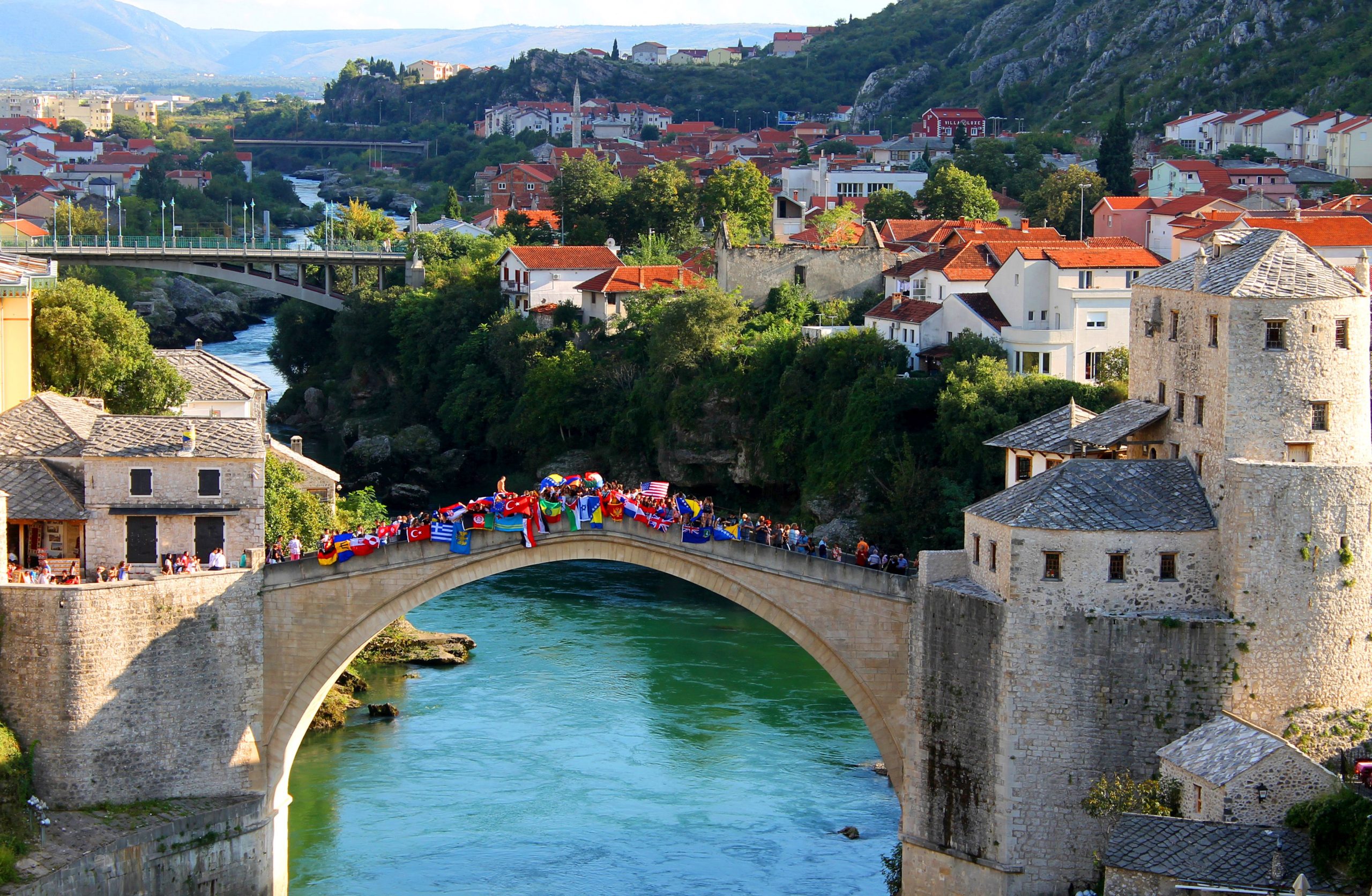
Established in 2006, UWC Mostar is the only UWC college built in a post-conflict country dedicated to “building bridges between people and cultures through inspiring, quality education”. It uniquely contributes to peacebuilding and the development of Mostar and Bosnia and Herzegovina, demonstrating through local partnerships how education can unite, inspire and engage for a peaceful and sustainable future.

Three Unique Features

  • The first UWC with an explicit aim to contribute to the reconstruction of a post-conflict society: UWC Mostar educates students to learn and appreciate their differences, at the same time promoting equality, tolerance and critical thinking.
  • Local community: The interaction of students with the local community is the essence of UWC Mostar. Annually, students and staff organise projects and over 100 events are open to Mostar and the wider community.
  • Foundation Education in Action: UWC Mostar was established by the Foundation Education in Action, which aims to become a reference point for educational reform in the country and provide high-quality teacher training with a specific focus on objective external assessment, curricular innovations and innovative learning methods.

Our students follow the International Baccalaureate Diploma Programme (IBDP), which is made up of three core components and six subject groups.

Average class size: 13 students

International Baccalaureate Diploma Programme

Core components

  • Theory of Knowledge: Students reflect on the nature of knowledge and on how we claim what we know.
  • The Extended Essay: An independent, self-directed piece of research finishing with a 4,000-word paper.
  • Creativity, Activity, Service (CAS): Students take part in a range of experiences and at least one project.
Subjects

  • Studies in language and literature: English Language & Literature, English Literature, Bosnian Literature, Croatian Literature, Serbian Literature, School Supported Self-Taught Literature 
  • Language acquisition: English B, German ab initio, German B, Spanish ab initio, Spanish B
  • Individuals and societies: Economics, History, Social & Cultural Anthropology, Global Politics
  • Sciences: Biology, Chemistry, Physics, Environmental Systems & Societies
  • Mathematics: Maths – Analysis and Approaches, Maths – Applications and Interpretation
  • The arts: Visual Arts, Theatre
Co-curricular

All students at UWC complete a co-curricular programme called Creativity, Activity and Service (CAS) – an integral part of the IB qualification. Students get the opportunity to choose a physical, a creative and a social service activity.

Physical activities

Advanced Contemporary Dance
Advanced Swimming
Swimming for beginners
Badminton
Basketball
Climbing
Football A+H
Gym
Half-marathon preparation
Krav Maga
Latin Dance
Martial arts – self-defense
Outdoor Leadership
Ping Pong
Silking
Traditional Dubka – Bosnian dances
Volleyball
Workout
Yoga
Creative activities

3D Modelling
American Sign Language
Astrology
Astronomy
Book Club
Chess
Computer science
Creative writing
Crocheting
Debate
Desert cooking
Entrepreneurship CAS
European Youth Parliament
Film CAS
French CAS
Gaming CAS
History club
Japanese CAS
Math Competition
Model United Nations (MUN)
Music Ensemble
Music Production
Musical Theatre
Newspaper
Philosophy CAS
Poetry Slam UWCiM
Poetry CAS
Robotics
Street Art
TEDxUWCiM
UWCiM Legal
Consulting Team
Video / Film making (using mobile phones)
Yearbook
Social service

Bright smile
Ciciban Kindergarten
Cultural Week
Dog Shelter
Ecological Awareness/Gardening
English conversational classes
English Support
Erase the hate
FemX Dignitet
Fixing CAS
Gen Z: UWCiM
Home for elderly
Keeping up with UWCiM
Documenting
Kosaca Library
Lab assistant
Lab Cooperation
Los Rosales
Math Team CAS + Science Task
Force
MOPS
Music Room
Orphanage
Peer support
Radobolja kindergarten
Rhythmba
Special Needs School
Workshop CAS

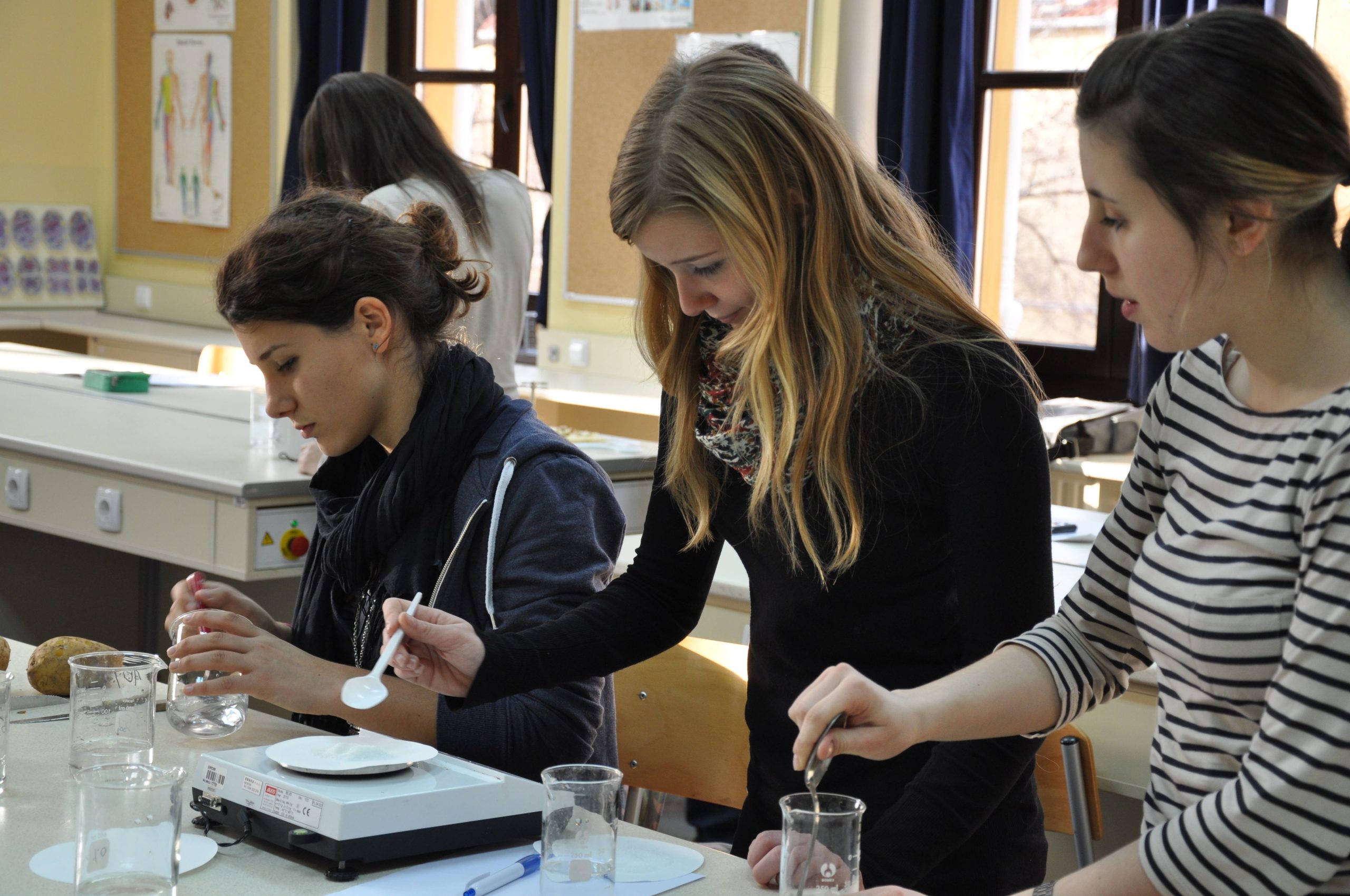
UWC Mostar distinguishes itself from other UWCs with its unique urban setting, located in the city centre alongside the Mostar Gimnazija. Science classes utilise well-equipped labs in the Gimnazija, while classrooms, a spacious library and assembly spaces are spread across shared locations.

Library
Large Study Room
Gym
Football / Handball Pitch
Volleyball Court
Athletics Track
Access to Local Swimming Pool
College Canteen
Visual Arts Studio
Theatre Arts Studio
Music Room
Residential accommodation:

UWC Mostar’s accommodation is spread across the city in five residences where 2-4 students are accommodated per room. Each residence has a master kitchen, laundry rooms, a common room, and kitchenettes on each floor as well as apartments for “House Parents” (parents providing residential support to students). One of the residences is also equipped with a gym available to all students.

Medical provisions

  • Resident doctor present at the school 
  • On call college nurse visits all five residences daily 
  • Nurse taking visits in consultation office 
  • Easily accessible medical care within the city for both physical and mental health care
  • Emergency medical care, medical services and hospitals available in the city of Mostar
Academic and emotional well-being

The school supports students’ academic and emotional well-being through:

  • Counselling department providing mental health support
  • Each student assigned a personal tutor that provides both personal and academic support
  • House Parent in each residence who provides practical living support
  • Two additional part-time House Parents and House Fellows (teachers who provide weekend residential support) 
  • Learning Support Coordinator
  • Peer Support programme where students are trained to offer support to other students
  • Students of colour mentor available to support students in developing deeper understanding of issues related to racism
  • LGBTQ+ student mentor

You can apply through your UWC national committee (NC) or through the UWC Global Selection Programme.

Filter

Sorry!

No Short Course found.

Secret Link