Contact details - TEL: +31 432 410 410
Email school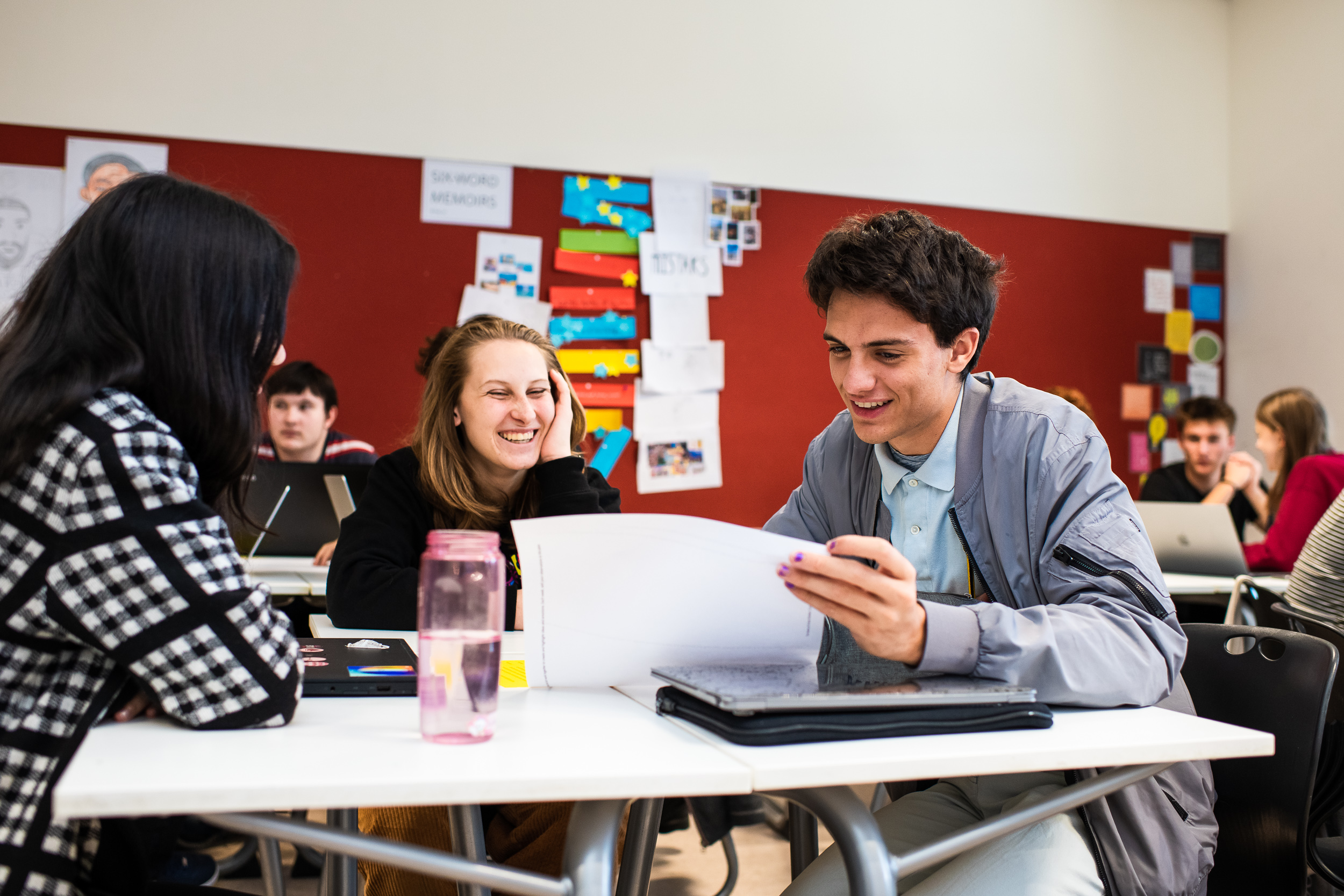
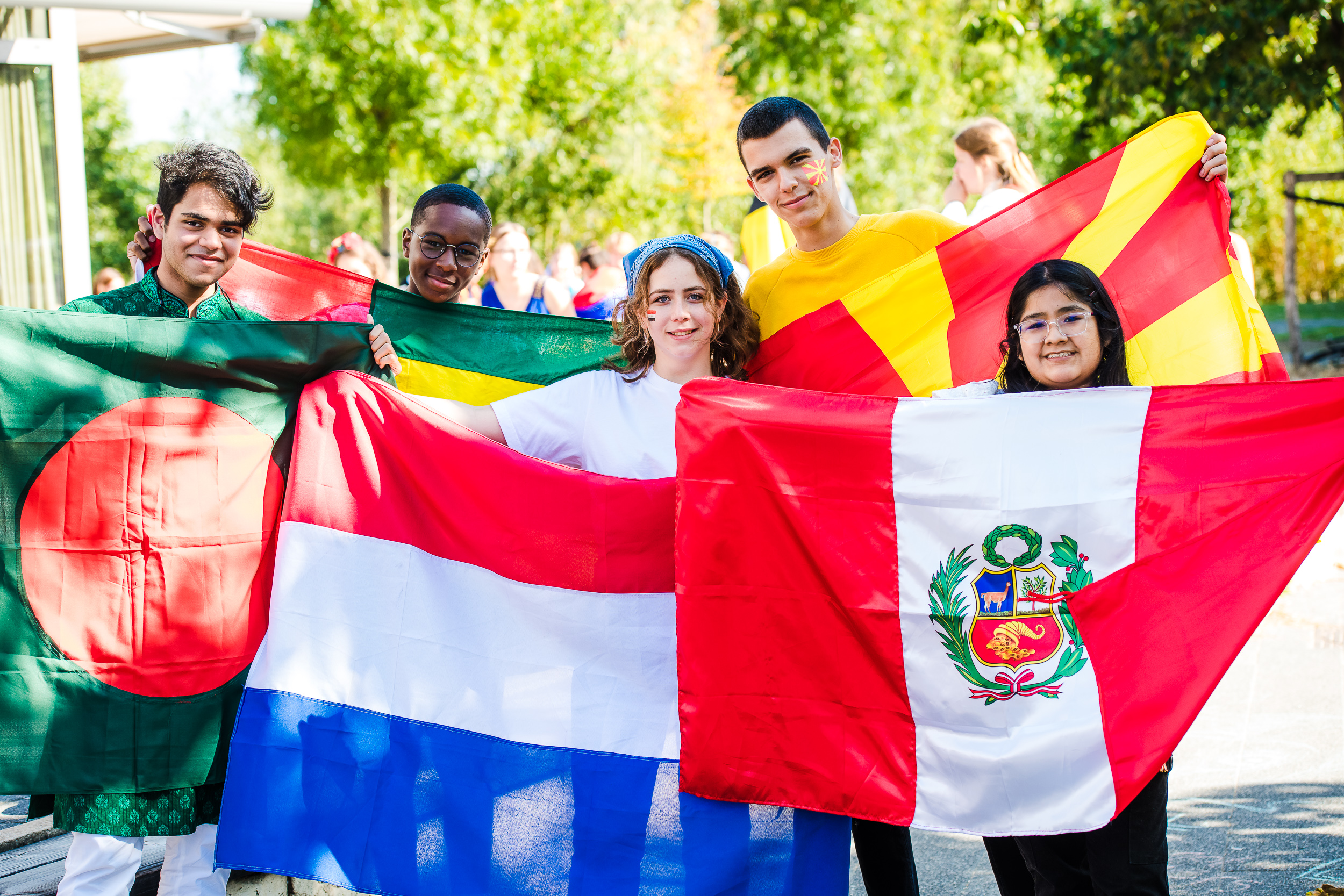
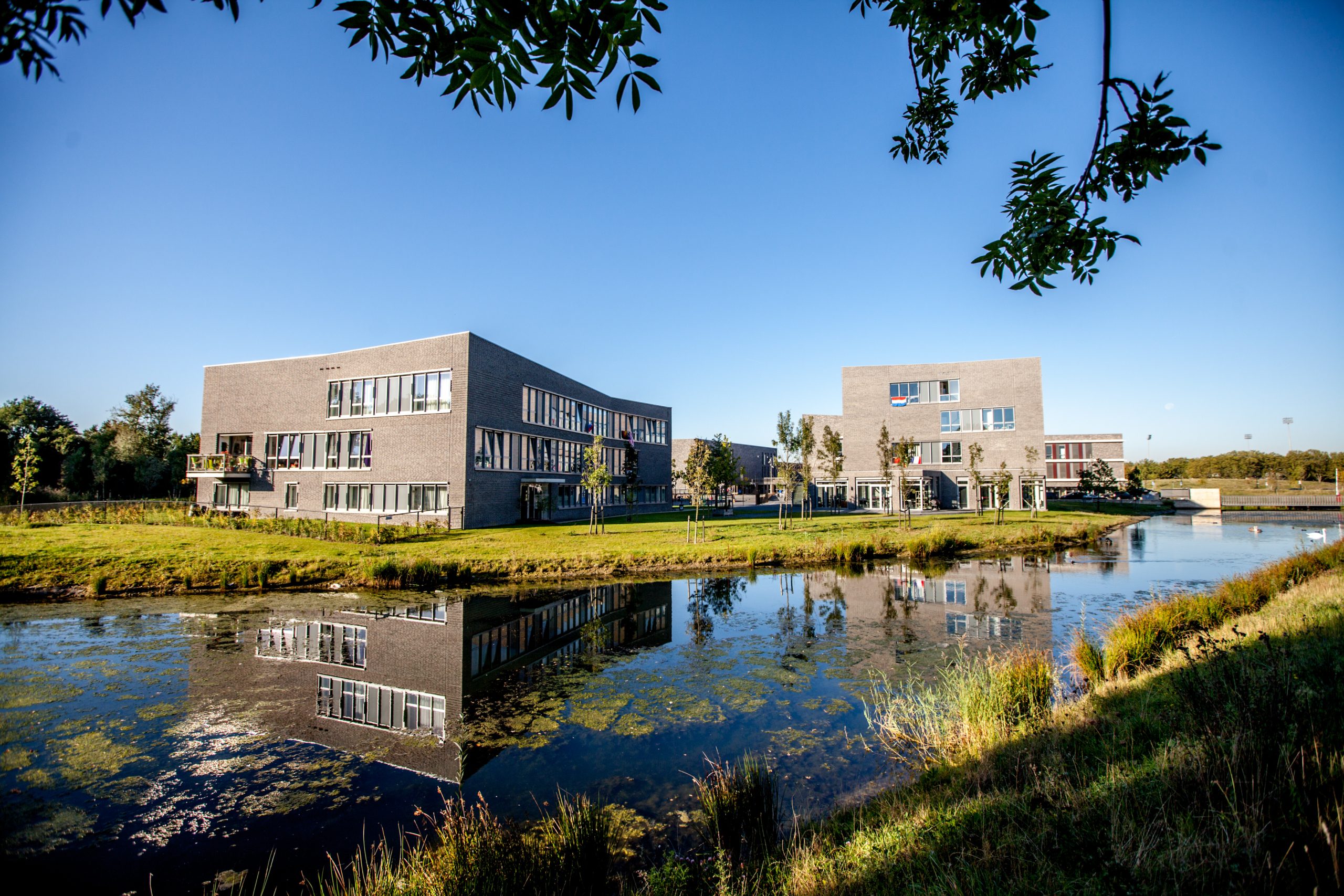
UWC Maastricht is a multicultural school that hosts students from more than 100 different nationalities. It operates within the Dutch public education system and is subsidised by the Dutch government. The school was formed to serve both the needs of the Maastricht international community and the students chosen by UWC national committees all over the world. UWC Maastricht welcomes students between the ages of four and 19.
Contact details - TEL: +31 432 410 410
Email schoolIn their final two years of secondary school, UWC Maastricht students follow the International Baccalaureate Diploma Programme (IBDP) or the International Baccalaureate Career-related Programme (IBCP). The IBDP is made up of three core components and six subject groups. The IBCP also offers IBDP subjects, but combines these with an in-depth Career-related study in Sustainable Business or Music.
Average class size: 22
All students at UWC complete a co-curricular programme called Creativity, Activity and Service (CAS) - an integral part of the IB qualification. Students get the opportunity to choose a physical, a creative and a social service activity.
On top of this, UWC Maastricht has designed a social Impact programme including action-oriented courses, social entrepreneurship and community service projects. UWCM students develop the skills and attitudes needed to be active participants in society, to identify problems and injustices wherever they exist. They design project weeks, providing service to the Maastricht community, but also other places around the world.
Badminton
Basketball
Football
Kayak Canoeing
Kpop dancing
Cycle club
Rugby
Tennis
Volleyball
Work Out
Swimming
Zumba
African dance
Massage
Mindfulness
Floorball
Ultimate frisbee
Mountain bike club
Sports & Outdoor fitness
Artmaking
Chinese calligraphy
The flying Dutchman - school newspaper
Choir
Dance
Cultural evenings
Model United Nations
Programming
Music clubs
Yearbook
Video editing
Math club
Computer science
Musical
Sewing club
Handicraft club
International show
Subject support
Peer support
Writing Support
Swap shop
Environmental Action Group
Exploring cinema
Service in department Facilities, film assistant, Music room assistant, Drama department assistant)
Campus care teams
Student led initiatives organising teams
Primary support groups
Library supervision group
Outside of school: students work togeter with over 100 organisations
UWCM campus is located in a very green and leafy part of Maastricht, close to the city centre. The site is surrounded by sports fields, a nature reserve and modern housing.
Medical Centre
Gym
Basketball Courts
Art Centre
Music Room
Film laboratory
Library
IBDP/CP students live in residences across three buildings consisting of three floors, each comprising six rooms. Every room hosts four to five students, of different nationalities. Each floor has a common room, study room, laundry room and kitchenette and is supported by a residence mentor who lives in an apartment adjacent to the floors.
Academic and emotional well-being
The school supports students’ academic and emotional well-being through:
You can apply through your UWC national committee (NC) or through the UWC Global Selection Programme. Direct applications are also possible for the lower years. For more information about UWC Maastricht, visit the website.
Filter
UWC Maastricht is a multicultural school that hosts students from more than 100 different nationalities. It operates within the Dutch public education system and is subsidised by the Dutch government. The school was formed to serve both the needs of the Maastricht international community and the students chosen by UWC national committees all over the world. UWC Maastricht welcomes students between the ages of four and 19.
In their final two years of secondary school, UWC Maastricht students follow the International Baccalaureate Diploma Programme (IBDP) or the International Baccalaureate Career-related Programme (IBCP). The IBDP is made up of three core components and six subject groups. The IBCP also offers IBDP subjects, but combines these with an in-depth Career-related study in Sustainable Business or Music.
Average class size: 22
All students at UWC complete a co-curricular programme called Creativity, Activity and Service (CAS) – an integral part of the IB qualification. Students get the opportunity to choose a physical, a creative and a social service activity.
On top of this, UWC Maastricht has designed a social Impact programme including action-oriented courses, social entrepreneurship and community service projects. UWCM students develop the skills and attitudes needed to be active participants in society, to identify problems and injustices wherever they exist. They design project weeks, providing service to the Maastricht community, but also other places around the world.
UWCM campus is located in a very green and leafy part of Maastricht, close to the city centre. The site is surrounded by sports fields, a nature reserve and modern housing.
IBDP/CP students live in residences across three buildings consisting of three floors, each comprising six rooms. Every room hosts four to five students, of different nationalities. Each floor has a common room, study room, laundry room and kitchenette and is supported by a residence mentor who lives in an apartment adjacent to the floors.
Academic and emotional well-being
The school supports students’ academic and emotional well-being through:
You can apply through your UWC national committee (NC) or through the UWC Global Selection Programme. Direct applications are also possible for the lower years. For more information about UWC Maastricht, visit the website.


UWC South East Asia (UWC SEA) became a full member of the UWC movement in 1975. In 1998, the college expanded to include a younger years programme accepting students from 4 years old to become a K-12 school. In 2011, a second campus opened, making UWC SEA the largest of the UWC colleges, with students from more than 100 countries and more than 90 languages spoken. UWC SEA offers a K-12 holistic and concept-based curriculum. The International Baccalaureate (IB) is offered in Grades 11-12, and applications are open for day students and residential boarding from Grade 8.
In the final two years, students follow the International Baccalaureate Diploma Programme (IBDP), which is made up of three core components and six subject groups.
Average class size: 22
* subject is offered at Dover Campus only
IB Systems Transformation: Leadership for Change is an innovative new course, carefully designed by passionate and experienced educators in partnership with the IB. It is for students looking for further challenges and authentic, project-based experiences in their learning journey. This course will also help shift the IB Diploma worldwide towards a more flexible model with more real-world learning, more authentic assessment and greater student agency.
The Systems Transformation Pathway focuses on three areas:
Through project-based learning, students explore how to connect and lead others; how to understand and navigate complex systems; and how to be resilient and adaptable in the face of challenges and failures. There are five distinct areas in which skills and capabilities will be taught and assessed in this course. These are: Project and Change Management; Leadership; Systems Thinking; Design Thinking; and Changemaker Mindsets.
The IB Systems Transformation: Leadership for Change is assessed entirely by coursework, balanced over the two years of the programme.
All IBDP students at UWC complete a co-curricular programme called Creativity, Activity and Service (CAS) – an integral part of the IB qualification. Students get the opportunity to choose a physical, a creative and a social service activity.
Students are involved in CAS for the whole of their IB Diploma and ideally spend 3-4 hours a week engaged in an extracurricular pursuit. Many experiences involve a benefit to the community and encourage students to consider global issues and the ethical outcomes of their participation.
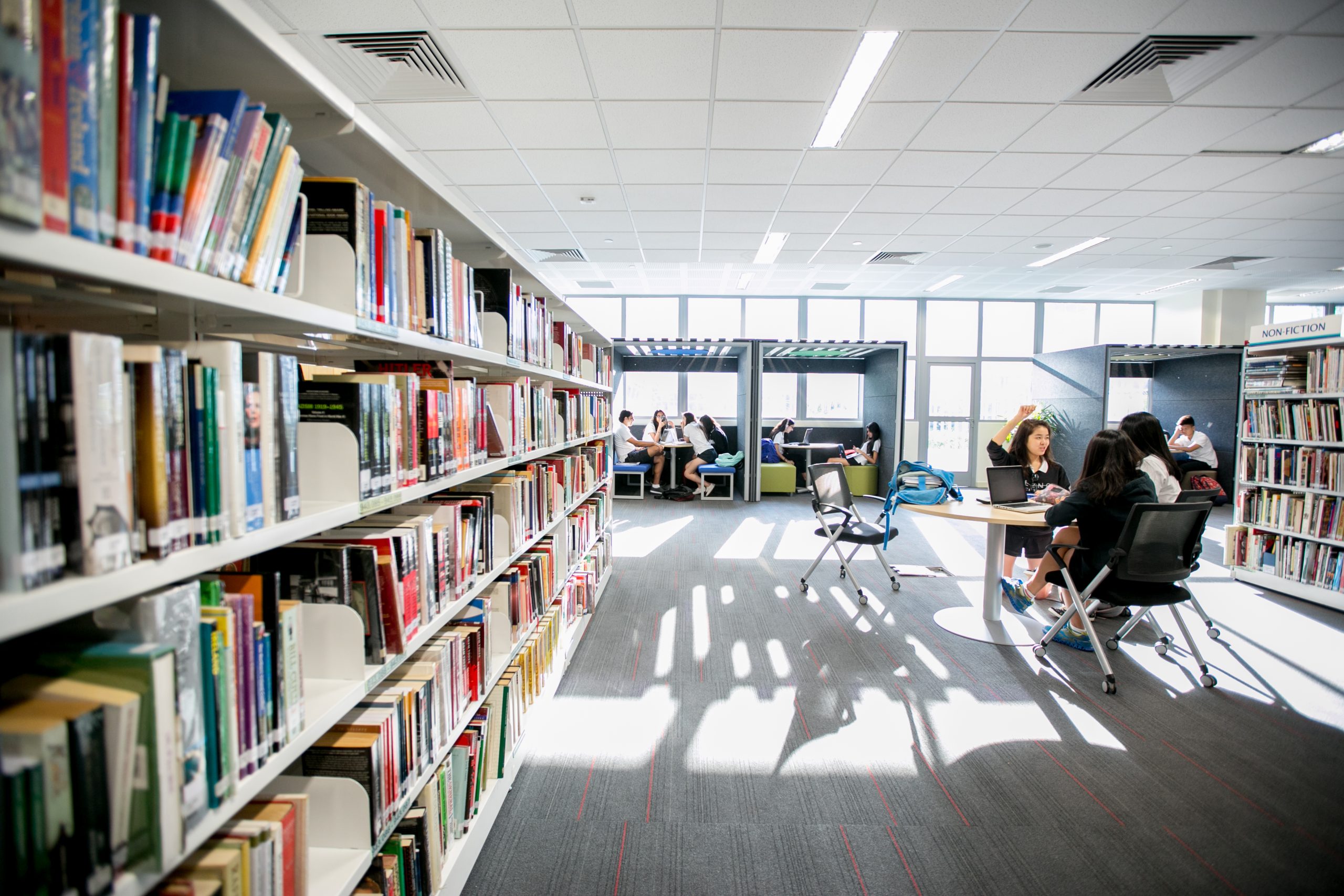
UWC SEA campuses offer exceptional facilities suited to the hands-on and technologically integrated learning programme. Equipped with state-of-the-art technology and tools, both campuses provide an environment to support all five elements of our learning programme.
Dover Campus has a capacity for 185 students in its two residential houses. East Campus (Tampines House) has a capacity for 155 students in a single residence. The gender split (50/50) across both campuses is maintained wherever possible, and approximately 70% of the students are in their IB Diploma years. Dover residents are in rooms of four with a shared ensuite bathroom. East residents in Grades 8-9 are in rooms of four, Grades 10-11 are in rooms of two, and Grade 12 residents have a single room with a sink. Shared, single-gender bathroom facilities are located at opposite ends of Tampines House.
The school supports students’ academic and emotional well-being through:
You can apply through your UWC national committee (NC). Direct applications are also possible. For more information about UWC South East Asia, visit the website.