Contact details - TEL: +31 432 410 410
Email school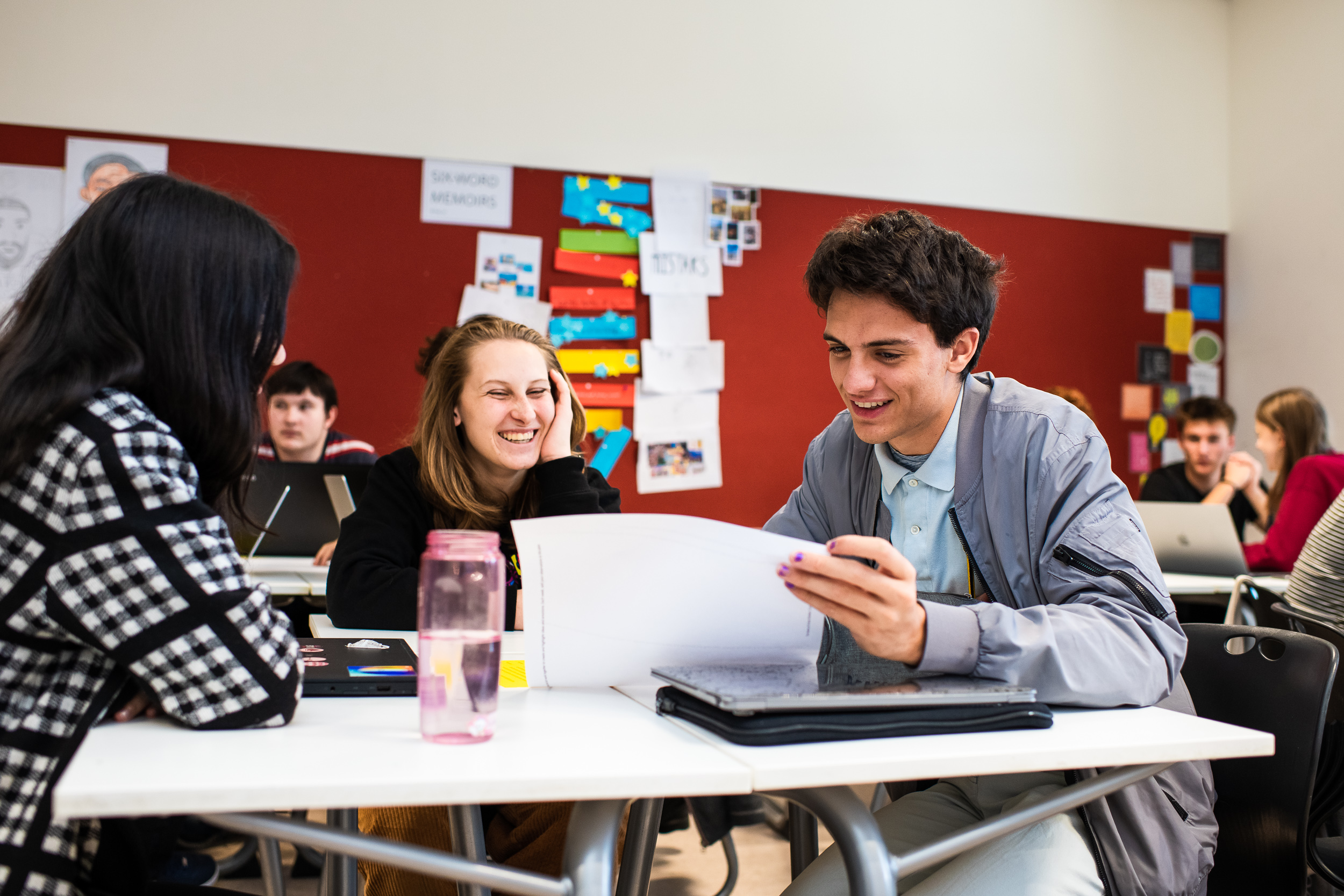
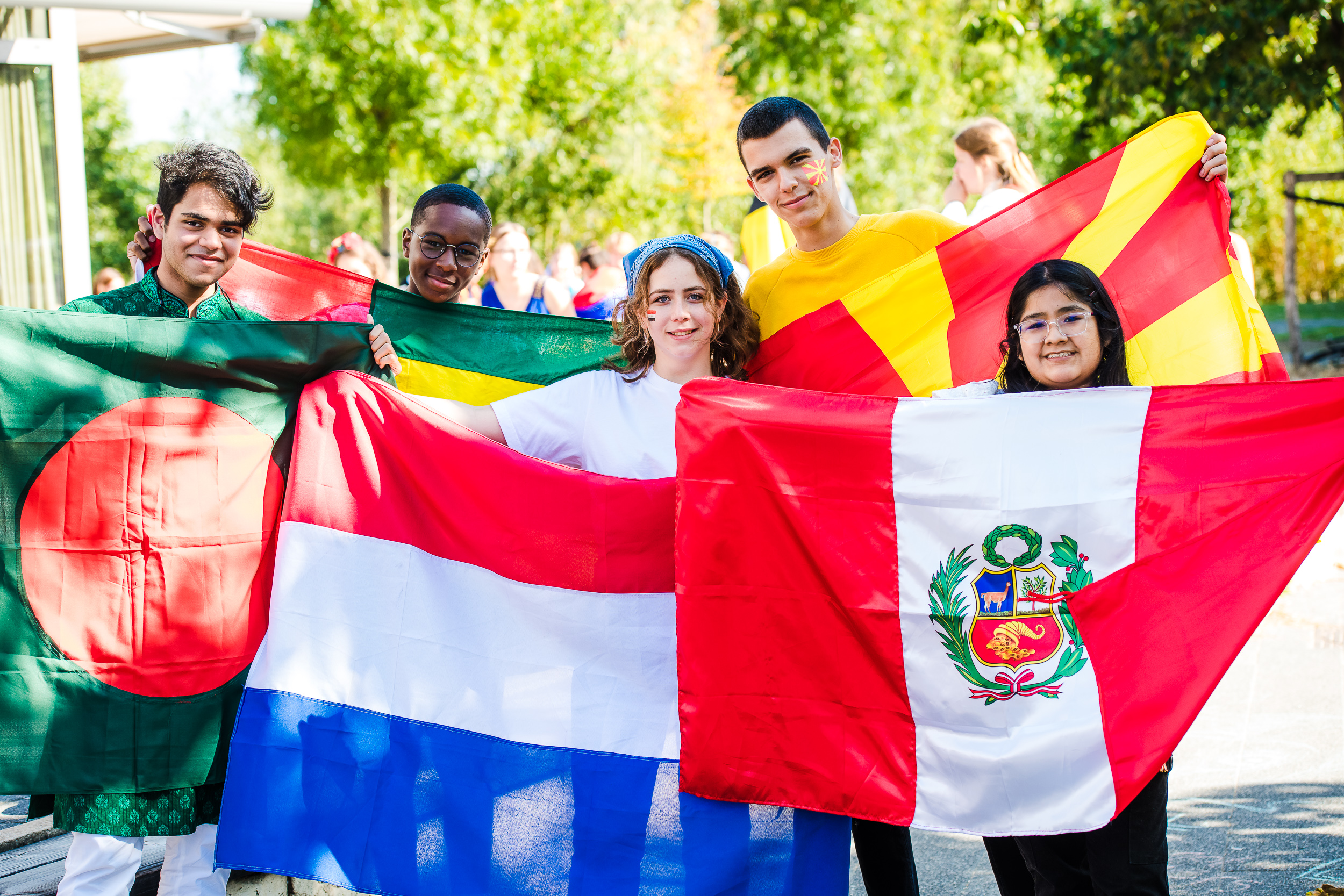
UWC Maastricht is a multicultural school that hosts students from more than 100 different nationalities. It operates within the Dutch public education system and is subsidised by the Dutch government. The school was formed to serve both the needs of the Maastricht international community and the students chosen by UWC national committees all over the world. UWC Maastricht welcomes students between the ages of four and 19.
Contact details - TEL: +31 432 410 410
Email schoolIn their final two years of secondary school, UWC Maastricht students follow the International Baccalaureate Diploma Programme (IBDP) or the International Baccalaureate Career-related Programme (IBCP). The IBDP is made up of three core components and six subject groups. The IBCP also offers IBDP subjects, but combines these with an in-depth Career-related study in Sustainable Business or Music.
Average class size: 22
All students at UWC complete a co-curricular programme called Creativity, Activity and Service (CAS) - an integral part of the IB qualification. Students get the opportunity to choose a physical, a creative and a social service activity.
On top of this, UWC Maastricht has designed a social Impact programme including action-oriented courses, social entrepreneurship and community service projects. UWCM students develop the skills and attitudes needed to be active participants in society, to identify problems and injustices wherever they exist. They design project weeks, providing service to the Maastricht community, but also other places around the world.
Badminton
Basketball
Football
Kayak Canoeing
Kpop dancing
Cycle club
Rugby
Tennis
Volleyball
Work Out
Swimming
Zumba
African dance
Massage
Mindfulness
Floorball
Ultimate frisbee
Mountain bike club
Sports & Outdoor fitness
Artmaking
Chinese calligraphy
The flying Dutchman - school newspaper
Choir
Dance
Cultural evenings
Model United Nations
Programming
Music clubs
Yearbook
Video editing
Math club
Computer science
Musical
Sewing club
Handicraft club
International show
Subject support
Peer support
Writing Support
Swap shop
Environmental Action Group
Exploring cinema
Service in department Facilities, film assistant, Music room assistant, Drama department assistant)
Campus care teams
Student led initiatives organising teams
Primary support groups
Library supervision group
Outside of school: students work togeter with over 100 organisations
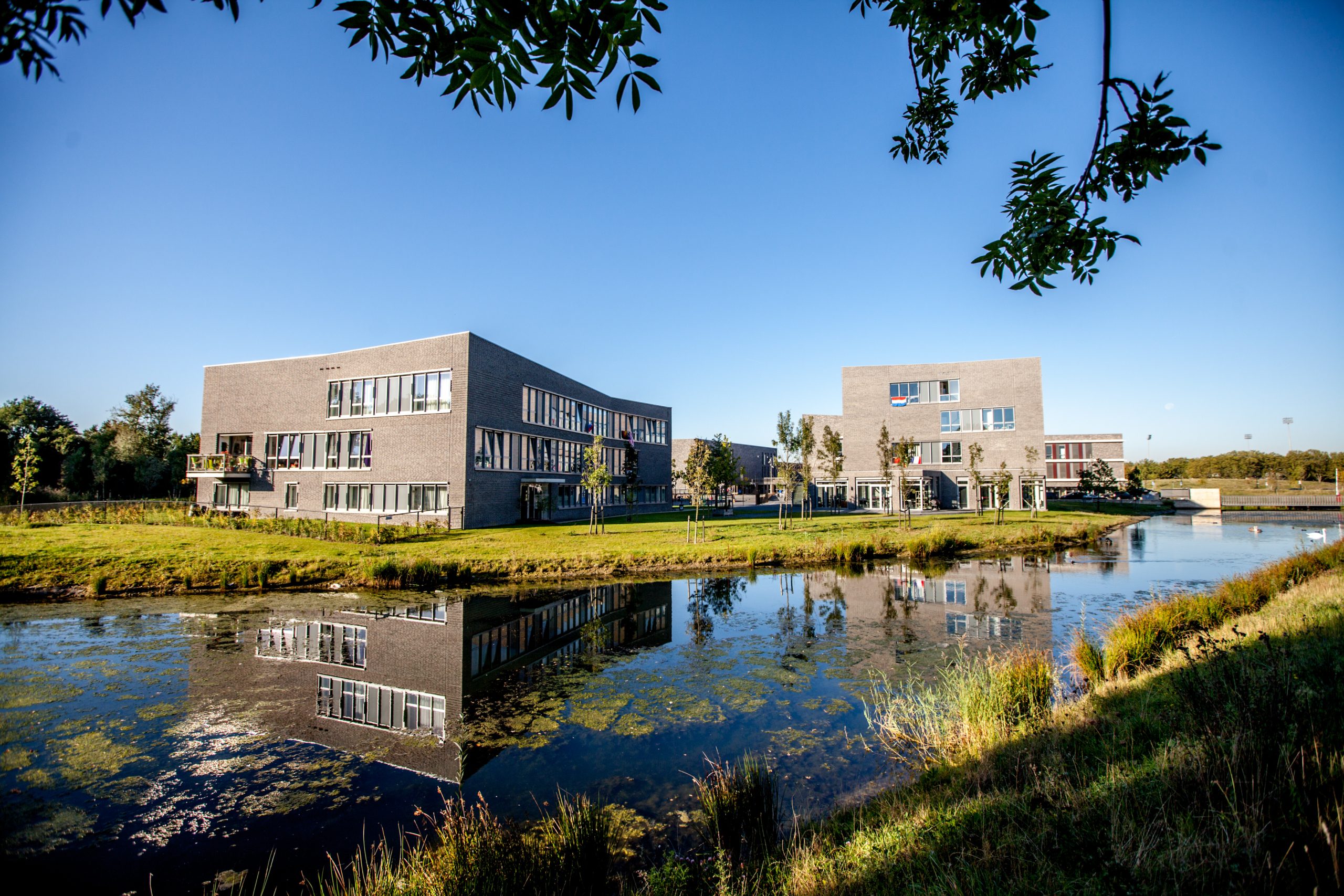
UWCM campus is located in a very green and leafy part of Maastricht, close to the city centre. The site is surrounded by sports fields, a nature reserve and modern housing.
Medical Centre
Gym
Basketball Courts
Art Centre
Music Room
Film laboratory
Library
IBDP/CP students live in residences across three buildings consisting of three floors, each comprising six rooms. Every room hosts four to five students, of different nationalities. Each floor has a common room, study room, laundry room and kitchenette and is supported by a residence mentor who lives in an apartment adjacent to the floors.
Academic and emotional well-being
The school supports students’ academic and emotional well-being through:
You can apply through your UWC national committee (NC) or through the UWC Global Selection Programme. Direct applications are also possible for the lower years. For more information about UWC Maastricht, visit the website.
Filter
UWC Maastricht is a multicultural school that hosts students from more than 100 different nationalities. It operates within the Dutch public education system and is subsidised by the Dutch government. The school was formed to serve both the needs of the Maastricht international community and the students chosen by UWC national committees all over the world. UWC Maastricht welcomes students between the ages of four and 19.
In their final two years of secondary school, UWC Maastricht students follow the International Baccalaureate Diploma Programme (IBDP) or the International Baccalaureate Career-related Programme (IBCP). The IBDP is made up of three core components and six subject groups. The IBCP also offers IBDP subjects, but combines these with an in-depth Career-related study in Sustainable Business or Music.
Average class size: 22
All students at UWC complete a co-curricular programme called Creativity, Activity and Service (CAS) – an integral part of the IB qualification. Students get the opportunity to choose a physical, a creative and a social service activity.
On top of this, UWC Maastricht has designed a social Impact programme including action-oriented courses, social entrepreneurship and community service projects. UWCM students develop the skills and attitudes needed to be active participants in society, to identify problems and injustices wherever they exist. They design project weeks, providing service to the Maastricht community, but also other places around the world.
UWCM campus is located in a very green and leafy part of Maastricht, close to the city centre. The site is surrounded by sports fields, a nature reserve and modern housing.
IBDP/CP students live in residences across three buildings consisting of three floors, each comprising six rooms. Every room hosts four to five students, of different nationalities. Each floor has a common room, study room, laundry room and kitchenette and is supported by a residence mentor who lives in an apartment adjacent to the floors.
Academic and emotional well-being
The school supports students’ academic and emotional well-being through:
You can apply through your UWC national committee (NC) or through the UWC Global Selection Programme. Direct applications are also possible for the lower years. For more information about UWC Maastricht, visit the website.


UWC Changshu China (UWC CSC) was founded in 2015 as the first UWC on the mainland of China through the initiative of a UWC alum, Mark Jiapeng Wang. Since its opening, the College has grown considerably and is today home to 620 students. UWC Changshu China consists of Grades 10, 11 and 12 (also known as the pre- IBDP and IBDP years) with most international students attending UWC CSC for Grades 11 and 12.
Our students follow the International Baccalaureate Diploma Programme (IBDP), which is made up of three core components and six subject groups. At UWC CSC, students are encouraged to explore Chinese culture in the context of dialogue between “people, nations and cultures,” building bridges and improving understanding.
Average class size: 20 students
UWC Changshu China offers a Pre-IBDP programme for Grade 10 students as well as the International Baccalaureate Diploma Programme (IBDP) curriculum. The Pre-IBDP programme aims for students to acquire the skills and knowledge needed for successful entry into the IBDP programme.
Theory of Knowledge: Students reflect on the nature of knowledge and on how we claim what we know.
The Extended Essay: An independent, self-directed piece of research finishing with a 4,000-word paper.
Creativity, Activity, Service (CAS): Students take part in a range of experiences and at least one project.
All students at UWC complete a co-curricular programme called Creativity, Activity and Service (CAS) – an integral part of the IB qualification. Students get the opportunity to choose a physical, a creative and a social service activity.
UWC Changshu is a newly built, state-of-the-art school. It was designed by a protégé of renowned architect I.M. Pei. The campus is impeccably landscaped in the style of a traditional Chinese garden and is situated on the edge of the Kuncheng Lake, with our own harbour where sailing, kayaking, paddle boards, dinghies and Dragon Boats are berthed.
Each room has four students, accommodated in houses of around 50 students. Each student has a bed, a desk with a window view and a wardrobe. The common rooms serve as spaces for students to study, relax and enjoy each other’s company. The UWC Diploma Programme students are accommodated on the main campus in 11 student houses, supported by a Head of House and advisors.
UWC CSC can place students with host families during extended holidays and help to provide options over winter breaks.
The school supports students’ academic and emotional wellbeing through:
You can apply through your UWC national committee (NC) or through the UWC Global Selection Programme. Direct applications are also possible for Foundation Programme. For more information about UWC Changshu China, visit the website.
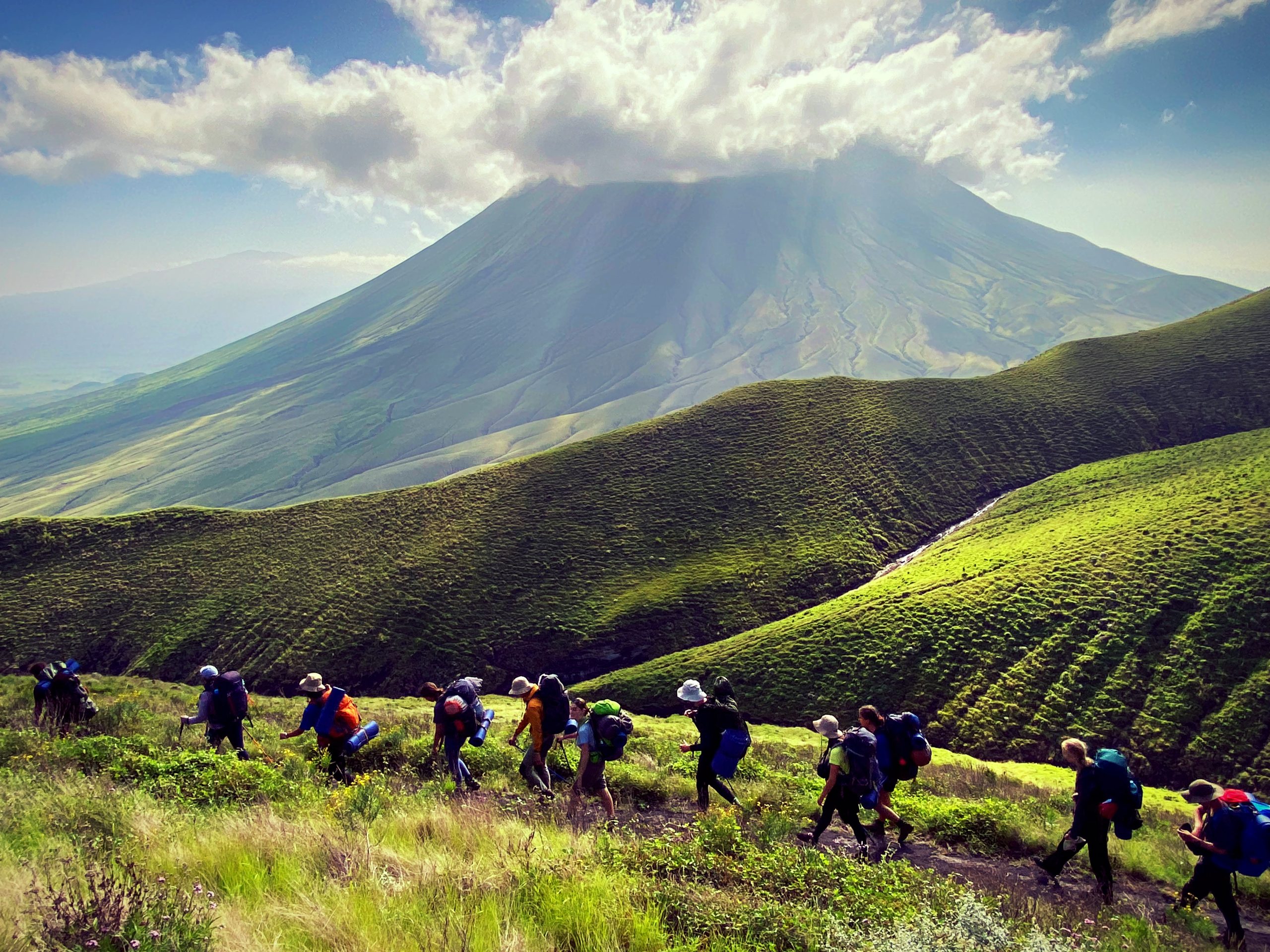
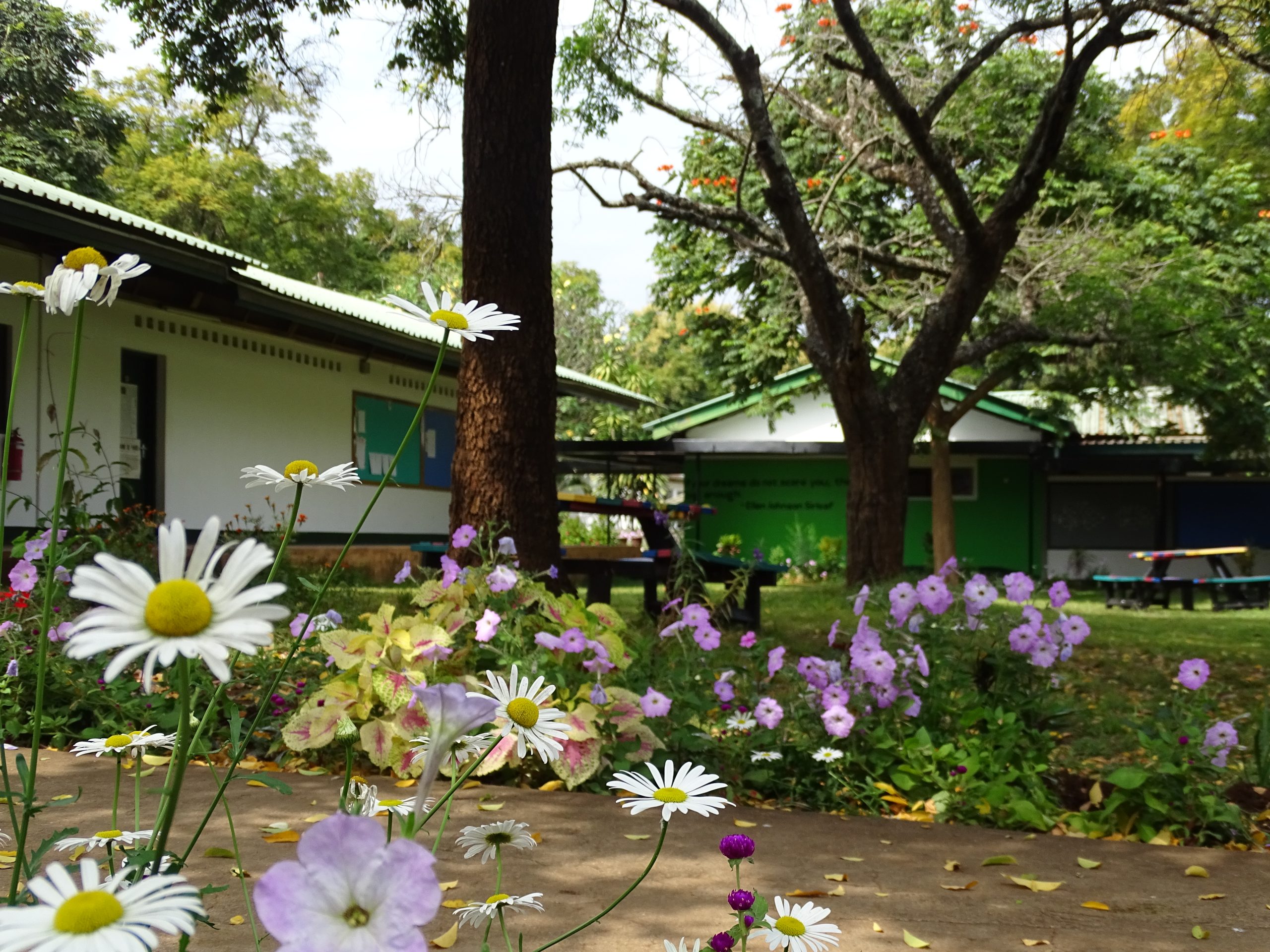
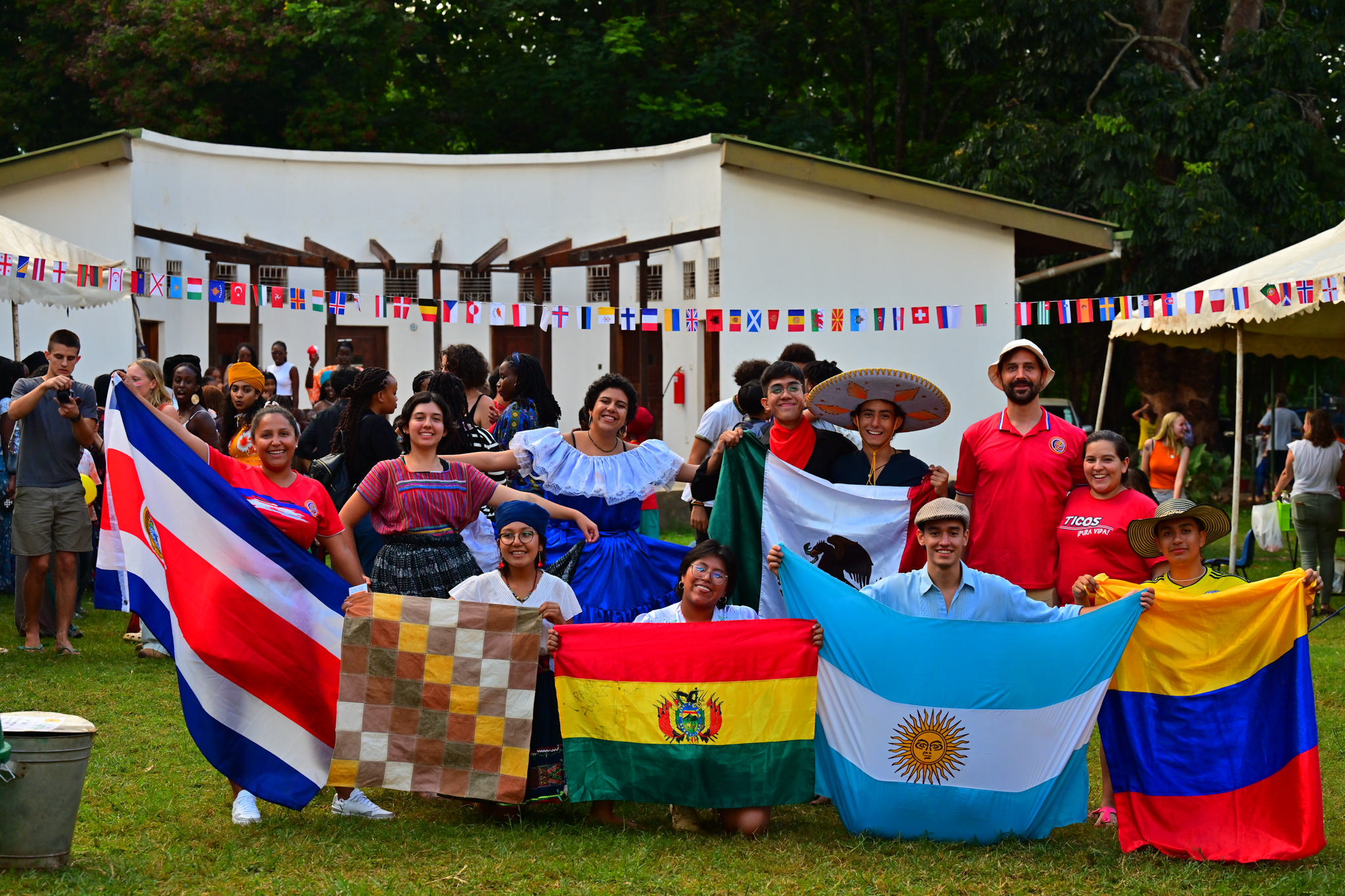
UWC East Africa (UWC EA), previously known as the International School of Moshi, joined the UWC movement in August 2019, becoming the 18th school worldwide and second on the African continent. With two campuses in Moshi and Arusha, UWCEA provides education for students ranging from 3 to 19 years old with over 100 nationalities represented overall. The school features a structured residential component for its Middle Years Programme (MYP) at the Moshi campus and International Baccalaureate Diploma Programme (IBDP) on both campuses.
Our students follow the International Baccalaureate Diploma Programme (IBDP), which is made up of three core components and six subject groups.
Average class size: 18 students
All students at UWC complete a co-curricular programme called Creativity, Activity and Service (CAS) – an integral part of the IB qualification. Students get the opportunity to choose a physical, a creative and a social service activity. UWCEA engages students to participate in different inter-school competitions locally and internationally for personal improvement and enjoyment.
Arusha is a leafy campus spread out over 40 acres at the base of Mount Meru. Moshi is at the base of Mount Kilimanjaro and has organically grown to be a 40+ acre green, tree-filled space.
Both campuses provide an excellent environment for residential students, equipped with outdoor living areas, kitchen, laundry facilities, study rooms and Wi-Fi. In Arusha, the newly built Jacaranda, Baobab and Acacia houses accommodate up to 120 IB diploma students. The Moshi campus features nine houses, admitting residential students from age eight and above.
You can apply through your UWC national committee (NC) or through the UWC Global Selection Programme. Direct applications are also possible for the lower years. For more information about UWC East Africa, visit the website.


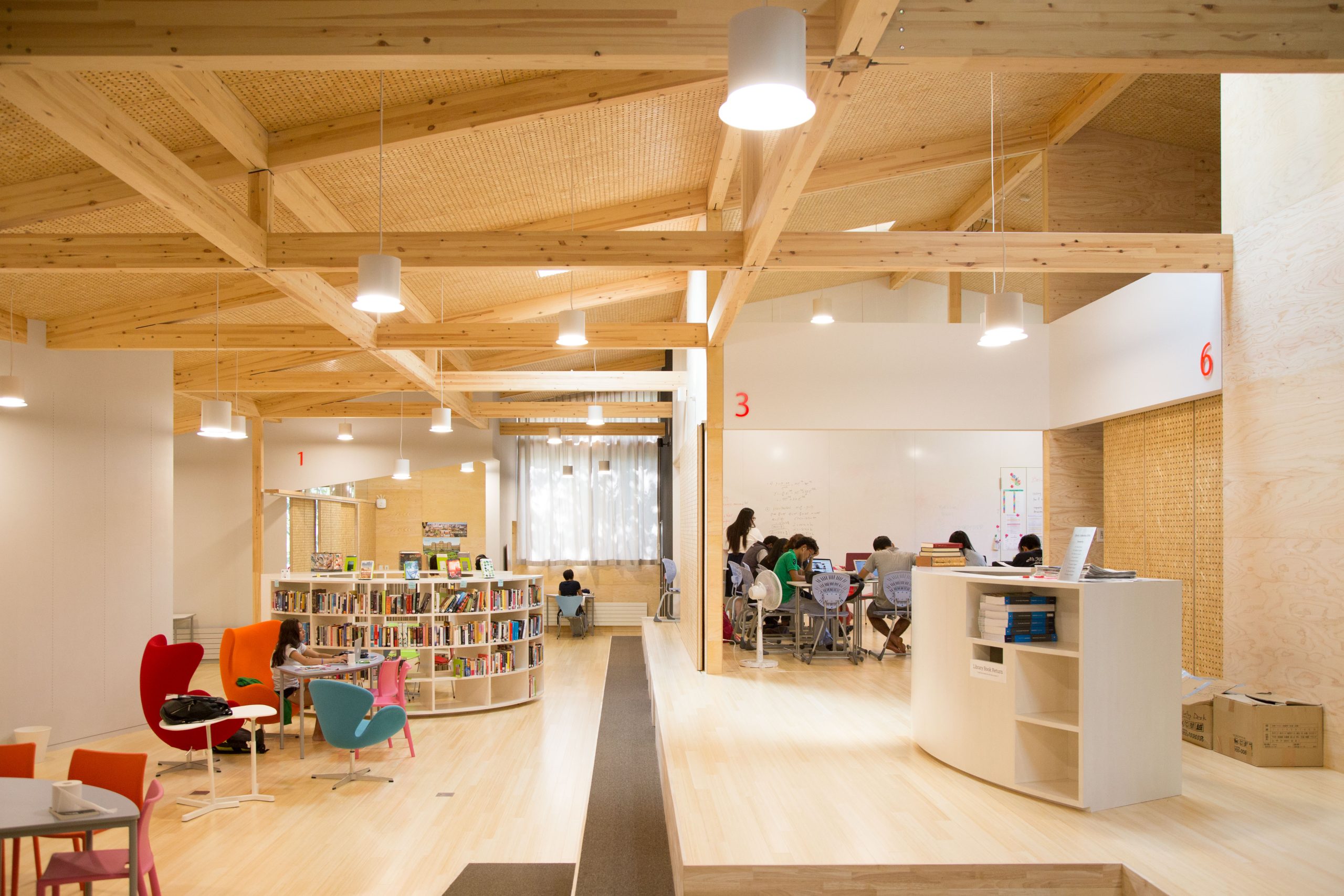
Located in Karuizawa, UWC ISAK Japan opened in 2014 and became a UWC school in 2017. Co-founded by Lin Kobayashi and Mamoru Taniya and supported by “100 Founders”, the school reflects Lin Kobayashi’s passion for global education, which she developed as a student at Pearson College UWC in Canada. UWC ISAK’s aim is to educate young leaders from around the globe to be catalysts for positive change.
Our students follow the International Baccalaureate Diploma Programme (IBDP), which is made up of three core components and six subject groups.
Average class size: 18 students
UWC ISAK Japan welcomes boarding students between the ages of 15 and 19. Fifteen-year-old students can join the school as part of its three-year high school programme, which emphasises its flagship Leadership Programme in Grade 10, before merging with the two-year IBDP in Grade 11 (16-19 year-olds).
All students at UWC complete a co-curricular programme called Creativity, Activity and Service (CAS) – an integral part of the IB qualification. Students get the opportunity to choose a physical, a creative and a social service activity.
Students are in charge of developing and running their own CAS projects in groups of eight or more students, so projects change from year to year. For example, recent CAS projects have addressed clothing recycling, environmental issues and sustainability, fundraising and support for Nepal, educational support for refugees in Asia, LGBTQ+ community advocacy, food waste and youth outreach.
The UWC ISAK Japan campus is located in Karuizawa, a beautiful mountain resort community located approximately 70 minutes by bullet train from Tokyo. As well as modern facilities, students have regular access to exceptional local athletic facilities.
There are four mixed-gender student residences. Rooms are deliberately mixed with overseas students and local students. All residences have a day room/common room and laundry room. UWC ISAK Japan offers both single-sex residences and blended houses with students sharing either a two-person or four-person bedroom. Blended houses have gender-neutral toilets and showers, as well as single-sex showers. Rooms are diverse, with students coming from different countries and cultural backgrounds. Each house includes a common area, a small kitchen and laundry facilities.
Students are expected to return home between Year one and Year two. The school provides on-campus housing or alternatives for students unable to go home for winter break. Full-time teachers also live on campus with everyone playing a significant role in the college community, creating and supporting each other’s UWC experience.
The school supports students’ academic and emotional well-being through:
You can apply through your UWC national committee (NC) or through the UWC Global Selection Programme. Direct applications are also possible for Grade 10. For more information about UWC ISAK Japan, visit the website.
No Short Course found.
Sorry!

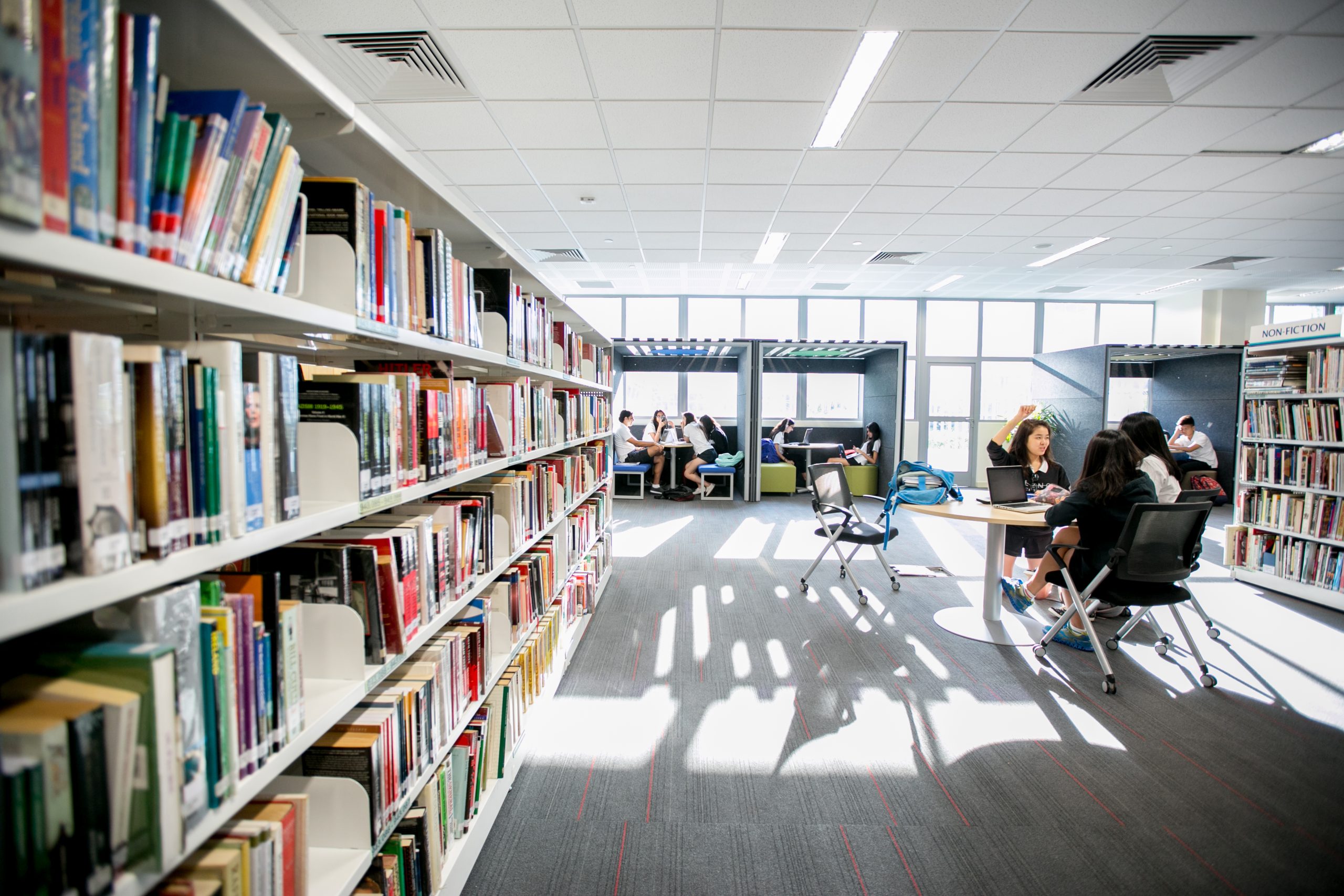

UWC South East Asia (UWC SEA) became a full member of the UWC movement in 1975. In 1998, the college expanded to include a younger years programme accepting students from 4 years old to become a K-12 school. In 2011, a second campus opened, making UWC SEA the largest of the UWC colleges, with students from more than 100 countries and more than 90 languages spoken. UWC SEA offers a K-12 holistic and concept-based curriculum. The International Baccalaureate (IB) is offered in Grades 11-12, and applications are open for day students and residential boarding from Grade 8.
In the final two years, students follow the International Baccalaureate Diploma Programme (IBDP), which is made up of three core components and six subject groups.
Average class size: 22
* subject is offered at Dover Campus only
IB Systems Transformation: Leadership for Change is an innovative new course, carefully designed by passionate and experienced educators in partnership with the IB. It is for students looking for further challenges and authentic, project-based experiences in their learning journey. This course will also help shift the IB Diploma worldwide towards a more flexible model with more real-world learning, more authentic assessment and greater student agency.
The Systems Transformation Pathway focuses on three areas:
Through project-based learning, students explore how to connect and lead others; how to understand and navigate complex systems; and how to be resilient and adaptable in the face of challenges and failures. There are five distinct areas in which skills and capabilities will be taught and assessed in this course. These are: Project and Change Management; Leadership; Systems Thinking; Design Thinking; and Changemaker Mindsets.
The IB Systems Transformation: Leadership for Change is assessed entirely by coursework, balanced over the two years of the programme.
All IBDP students at UWC complete a co-curricular programme called Creativity, Activity and Service (CAS) – an integral part of the IB qualification. Students get the opportunity to choose a physical, a creative and a social service activity.
Students are involved in CAS for the whole of their IB Diploma and ideally spend 3-4 hours a week engaged in an extracurricular pursuit. Many experiences involve a benefit to the community and encourage students to consider global issues and the ethical outcomes of their participation.
UWC SEA campuses offer exceptional facilities suited to the hands-on and technologically integrated learning programme. Equipped with state-of-the-art technology and tools, both campuses provide an environment to support all five elements of our learning programme.
Dover Campus has a capacity for 185 students in its two residential houses. East Campus (Tampines House) has a capacity for 155 students in a single residence. The gender split (50/50) across both campuses is maintained wherever possible, and approximately 70% of the students are in their IB Diploma years. Dover residents are in rooms of four with a shared ensuite bathroom. East residents in Grades 8-9 are in rooms of four, Grades 10-11 are in rooms of two, and Grade 12 residents have a single room with a sink. Shared, single-gender bathroom facilities are located at opposite ends of Tampines House.
The school supports students’ academic and emotional well-being through:
You can apply through your UWC national committee (NC). Direct applications are also possible. For more information about UWC South East Asia, visit the website.


UWC Thailand (UWCT) is a peaceful retreat in the foothills of Phuket’s green-capped mountains. This distinctive setting reflects the school’s dedication not just to academic excellence but also to the broader values of global citizenship, wellness and environmental stewardship. Engaged in activities from coral reef monitoring to integrating positive mindfulness practices, UWC Thailand prioritises the well-being and development of its students, the community and the environment in all its endeavours.
In their final two years, UWC Thailand students follow the International Baccalaureate Diploma Programme (IBDP), which is made up of three core components and six subject groups.
Average class size: 24 students
All IBDP students at UWC complete a co-curricular programme called Creativity, Activity and Service (CAS) – an integral part of the IB qualification. Students get the opportunity to choose a physical, a creative and a social service activity.
UWC Thailand’s strong focus on Outdoor Experiential Education and Place-Based Service Learning ensures students engage with the island’s diverse environments. This commitment sustains partnerships with neighbouring service organisations, addressing wildlife conservation, ecological restoration, community support and action-oriented governmental work for policy development and change.
UWC TH’s campus lies in the foothills of a mountainous national park in a rural area on the northern end of the island of Phuket, a short 15-minute drive from some of the most beautiful beaches in the world. On campus, students have access to a wide variety of learning spaces and resources.
The primary boarding house accommodates students in rooms of 3-6 students in separate wings for male and female students. Boarding facilities prioritise deliberately diverse living arrangements to best develop and foster intercultural relationships and understanding. All residences have common rooms, communal kitchens, laundry facilities and study spaces.
The school supports students’ academic and emotional well-being through:
You can apply through your UWC national committee (NC) or through the UWC Global Selection Programme. Direct applications are also possible for the lower years. For more information about UWC Thailand, visit the website.


Waterford Kamhlaba UWC of Southern Africa (WK UWCSA) was founded in 1963 as a response to the separate and unequal educational systems in South Africa. The property on which the school is situated was originally a farm called “Waterford Park Estate” and Kamhlaba means “of the world” or “of the earth” and therefore without distinctions such as race or religion. Different to all the other UWC schools and colleges, the academic year at Waterford Kamhlaba runs from January to November.
In their final two years, our students follow the International Baccalaureate Diploma Programme (IBDP), which is made up of three core components and six subject groups. We also offer an extended induction period to assist with English proficiency.
Average class size: 17 students
Aside from the IBDP, WK UWCSA offers Forms 1- 4. Forms 1 and 2 aim to establish foundational skills with mixed ability classes and tutor guidance, while Form 3 introduces subject choices in Creative Arts and Languages. Forms 4 and 5 focus on the Cambridge IGCSE qualification, preparing students for diverse academic paths and global challenges.
All students at UWC complete a co-curricular programme called Creativity, Activity and Service (CAS) – an integral part of the IB qualification. Students get the opportunity to choose a physical, a creative and a social service activity.
Perched on a mountain top in Sidwashini, a 10-minute drive from the Swazi capital Mbabane, is a gathering of colourful houses and buildings. That’s Waterford Kamhlaba UWCSA. Originally designed by renowned architect and WK parent, Amancio (Pancho) Guedes, Waterford has grown as much in physical size as it has in student numbers. The Waterford community is highly influenced by the social, historical and cultural context of Eswatini.
There are eight student residences. Typically, boys and girls are separately accommodated on different floors/wings. Most students are in rooms of four with nationalities and cultures deliberately mixed. All houses have a common room, kitchen and quiet/study room with computer and Wi-Fi access.
The school supports students’ academic and emotional well-being through:
You can apply through your UWC national committee (NC) or through the UWC Global Selection Programme. Direct applications are also possible for the lower years. For more information about Waterford Kamhlaba UWC of Southern Africa, visit the website.
No Short Course found.
Sorry!