
Contact details - TEL: +49 761 708 395 00
Email school

UWC Robert Bosch College (UWC RBC) is a joint project of the Deutsche Stiftung UWC as well as the Robert Bosch Stiftung. Located in Freiburg, Germany, deliberate diversity is the college’s main goal, and it currently provides 65% of its student body with full scholarships, thanks to funding from the state ministry, the Robert Bosch Stiftung, B.Braun Melsungen AG as well as many other foundations and individuals.
Contact details - TEL: +49 761 708 395 00
Email schoolOur students follow the International Baccalaureate Diploma Programme (IBDP), which is made up of three core components and six subject groups. Average class size: 12 students
All students at UWC complete a co-curricular programme called Creativity, Activity and Service (CAS) - an integral part of the IB qualification. Students get the opportunity to choose a physical, a creative and a social service activity.
UWC RBC places a particular emphasis on environmental issues. A key question is how technology can contribute to sustainable, ecological development and peace. This, together with the innovative pedagogical approach to the development of the school and its programme, gives UWC Robert Bosch College a distinctive profile.
Badminton
Basketball
Afro-Caribbean Dance
Football
Archery
Bouldering
Cycling
Dancing
Volleyball
Work Out
Running
Swimming
Taekwondo
Ultimate frisbee
Yoga
Zumba
Chess
Choir
Coding
Cooking
Creative writing
Crochet
Debating
Game making
Handcrafting
Jazz band
Magic
Mechatronics
Model United Nations
Modern Dance
Orchestra
RBC Affairs
Sewing
Social Media
Ted Talks
Theatre
Academic Tutoring
Adopt a creek!
Bike Repair Workshop
Digital Coaching for Seniors
Foodbank volunteering
Support people who are homeless
Junghof Horse Sanctuary
Movement for Musical Minds
Peer Support Programme
RBC Barn: Chickens, Bunnies and Alpacas
Tree maintenance
Urban Gardening
Outside of UWC RBC, students work together with organisations in neighbouring communities, including elderly homes, child care centres, and animal shelters, as well as environmental, human rights and refugee organisations.
Located in Freiburg, Germany‘s “green city“, the college has a special focus on sustainability, which is embedded in academics, student life and the architecture of the buildings. The proximity to the Black Forest National Park further allows for a well-rounded outdoor programme.
Theatre Stage
Art Centre
Music Room
Nearby sports fields
Basketball Court
Within the campus, there are eight three-storey student residences. The main floor includes a communal kitchen, common room and laundry facilities, with a wheelchair-accessible two-person room. The other two floors have three rooms for four students each and a shared bathroom with showers. Housing is generally co-ed, with floors often arranged by gender. Students are assigned rooms based on gender identity and preference where possible. Each residence is supervised by a House Parent (parents providing residential support to students) living in a nearby staff house.
The school supports students’ academic and emotional well-being through:
You can apply to UWC Robert Bosch College through your UWC national committee (NC). National committees represent UWC in over 150 countries and territories around the world.
Filter
UWC Robert Bosch College (UWC RBC) is a joint project of the Deutsche Stiftung UWC as well as the Robert Bosch Stiftung. Located in Freiburg, Germany, deliberate diversity is the college’s main goal, and it currently provides 65% of its student body with full scholarships, thanks to funding from the state ministry, the Robert Bosch Stiftung, B.Braun Melsungen AG as well as many other foundations and individuals.
Our students follow the International Baccalaureate Diploma Programme (IBDP), which is made up of three core components and six subject groups. Average class size: 12 students
All students at UWC complete a co-curricular programme called Creativity, Activity and Service (CAS) – an integral part of the IB qualification. Students get the opportunity to choose a physical, a creative and a social service activity.
UWC RBC places a particular emphasis on environmental issues. A key question is how technology can contribute to sustainable, ecological development and peace. This, together with the innovative pedagogical approach to the development of the school and its programme, gives UWC Robert Bosch College a distinctive profile.
Outside of UWC RBC, students work together with organisations in neighbouring communities, including elderly homes, child care centres, and animal shelters, as well as environmental, human rights and refugee organisations.
Located in Freiburg, Germany‘s “green city“, the college has a special focus on sustainability, which is embedded in academics, student life and the architecture of the buildings. The proximity to the Black Forest National Park further allows for a well-rounded outdoor programme.
Within the campus, there are eight three-storey student residences. The main floor includes a communal kitchen, common room and laundry facilities, with a wheelchair-accessible two-person room. The other two floors have three rooms for four students each and a shared bathroom with showers. Housing is generally co-ed, with floors often arranged by gender. Students are assigned rooms based on gender identity and preference where possible. Each residence is supervised by a House Parent (parents providing residential support to students) living in a nearby staff house.
The school supports students’ academic and emotional well-being through:
You can apply to UWC Robert Bosch College through your UWC national committee (NC). National committees represent UWC in over 150 countries and territories around the world.
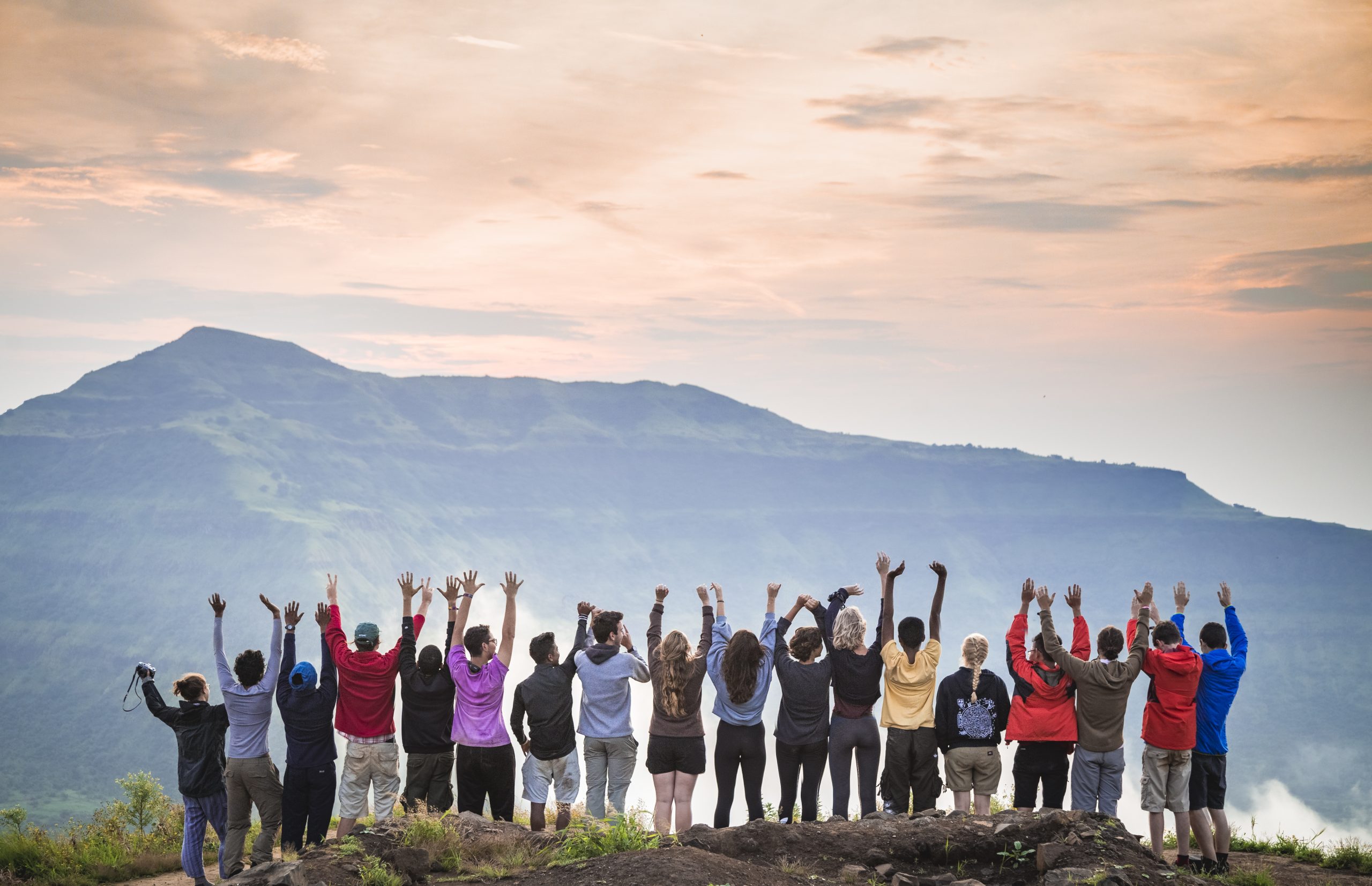
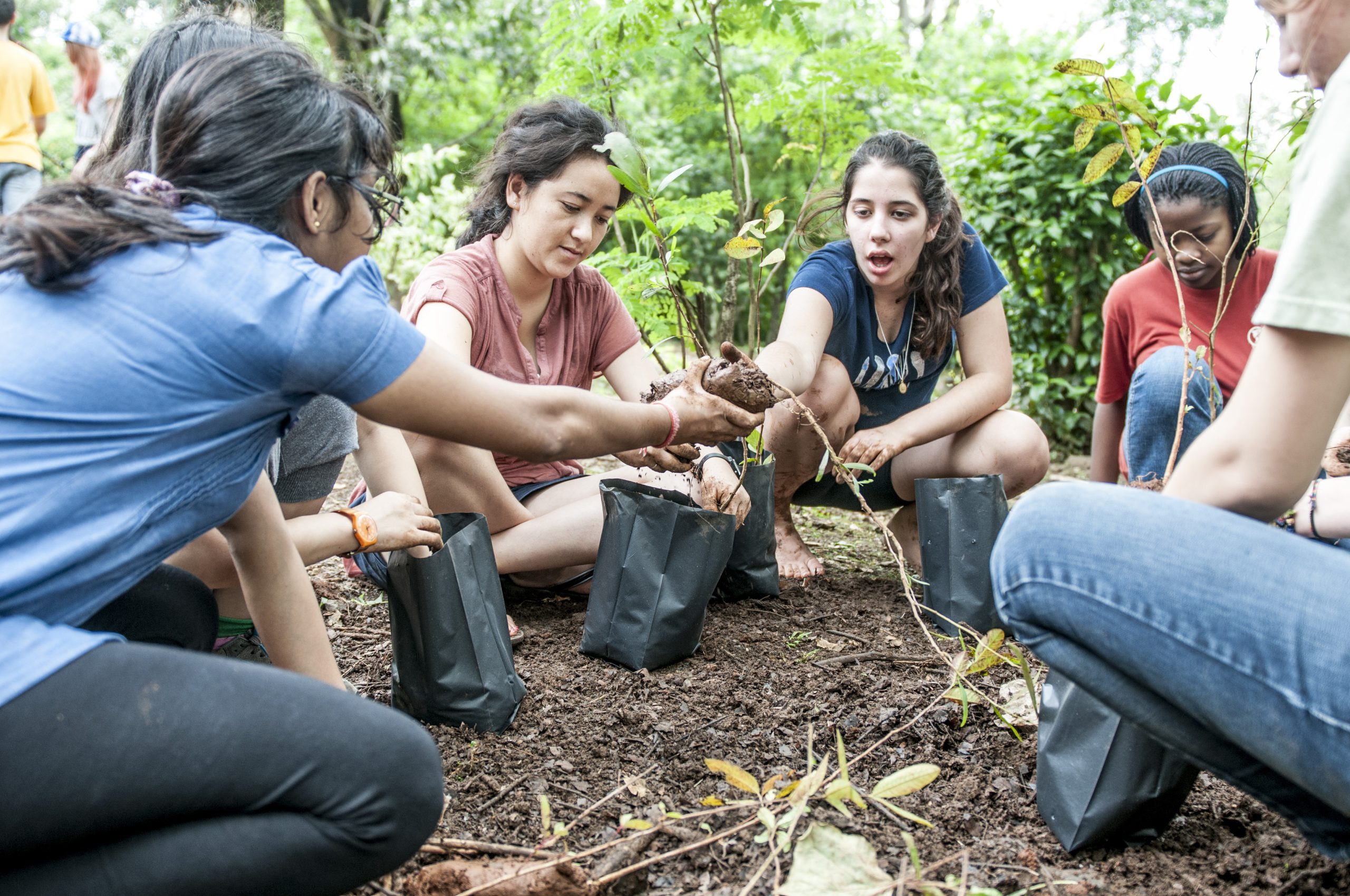
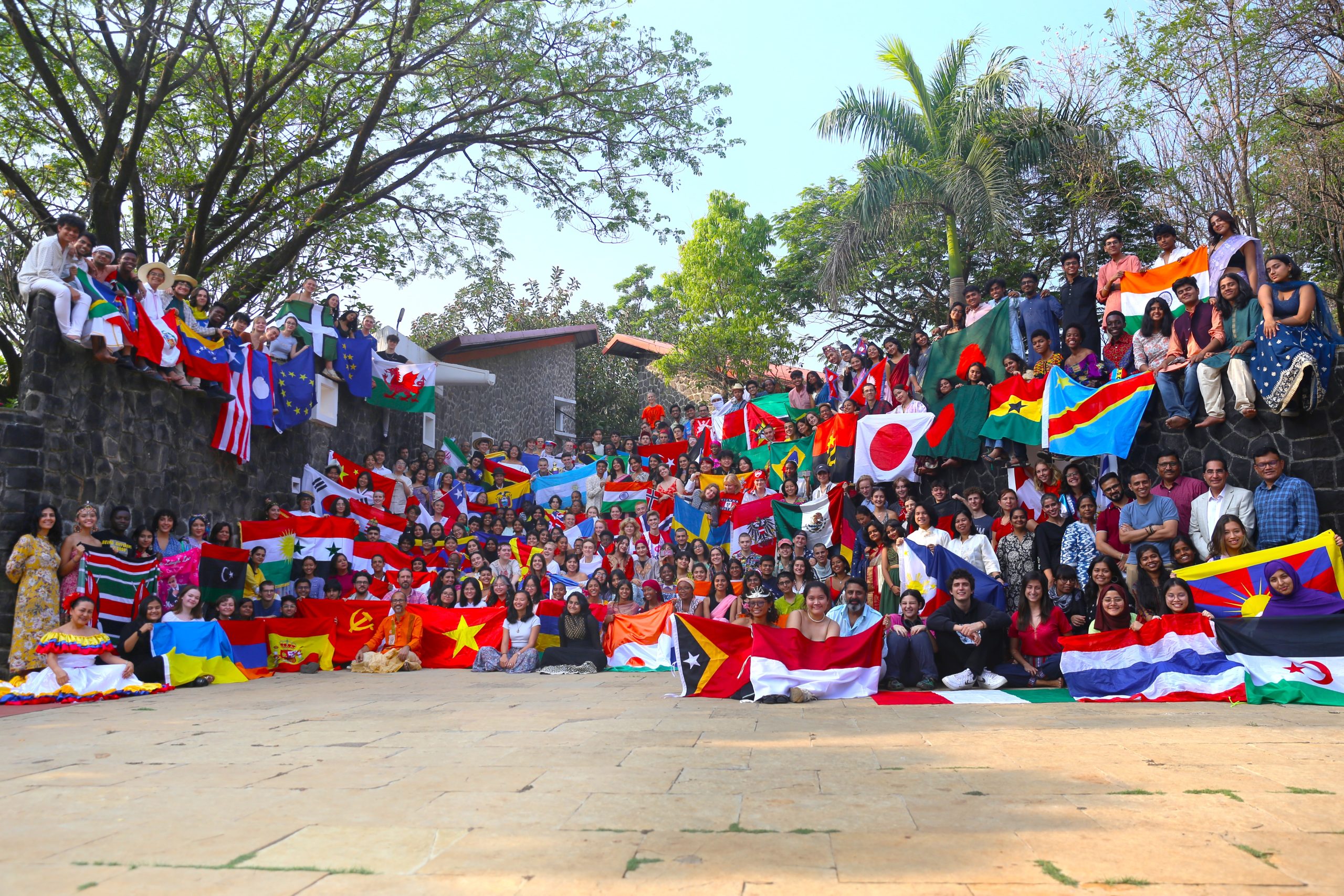
In 1997, UWC Mahindra College (MUWCI) was established as a vibrant college located on the hilltops of rural Maharashtra in Pune, India. The College is known for its curricular innovation and community engagement. MUWCI pioneered the International Baccalaureate’s (IB) World Studies Extended essay and Film Studies programme, while also housing the Akshara Foundation, fostering local impact and offering students opportunities for project-based and service learning.
Our students follow the International Baccalaureate Diploma Programme (IBDP), which is made up of three core components and six subject groups.
Average class size: 15
All students at UWC complete a co-curricular programme called Creativity, Activity and Service (CAS) – an integral part of the IB qualification. Students get the opportunity to choose a physical, a creative and a social service activity. Our Triveni (CAS) programme is extensive and a crucial part of a MUWCI education, with particular focus on community engagement and outdoor education. We also have a rich variety of inclusive campus events, celebrating the diversity of our students and the local culture and festivals.
The CAS activities on offer change each year as they are student-led and faculty mentored. Typically we offer 30+ creative and physical activities and 25+ on and off-campus service learning opportunities. A sampling of what’s on offer is below:
Located on a beautiful hilltop in rural Maharashtra, MUWCI has a sprawling 180-acre built-to-purpose campus with a biodiversity reserve within the Sahyadri mountain ranges – a UNESCO World Heritage site.
MUWCI is divided into five ‘wadas’ (residential clusters). Students live with relative independence and responsibility in houses of eight arranged around a shared courtyard. Each room houses four students from different continents. So-called “wada parents” and other faculty are part of the wada community, living with their families and pets in adjacent homes. Residential buildings include common rooms with kitchens and separate laundry facilities.
You can apply through your UWC national committee (NC) or through the UWC Global Selection Programme.
No Short Course found.
Sorry!
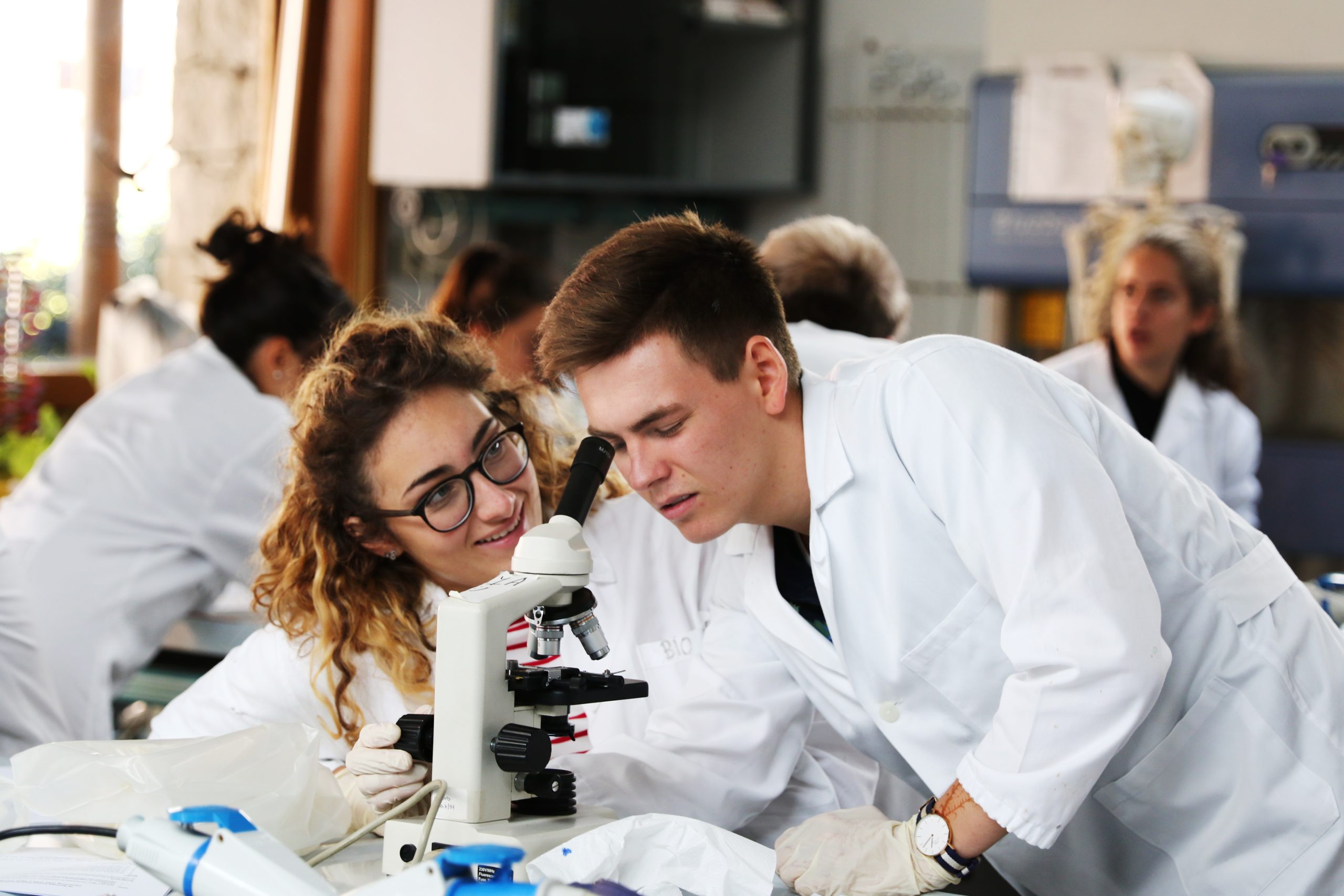
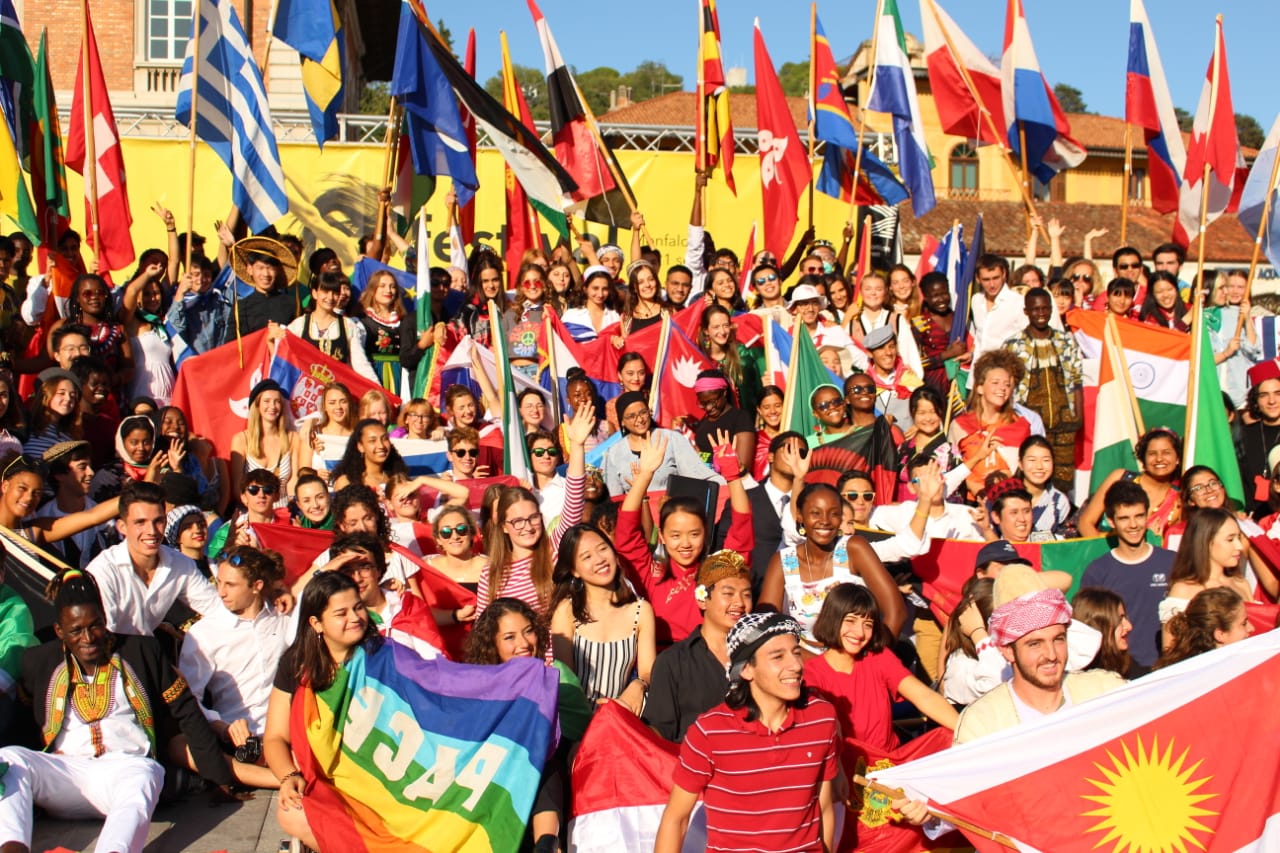
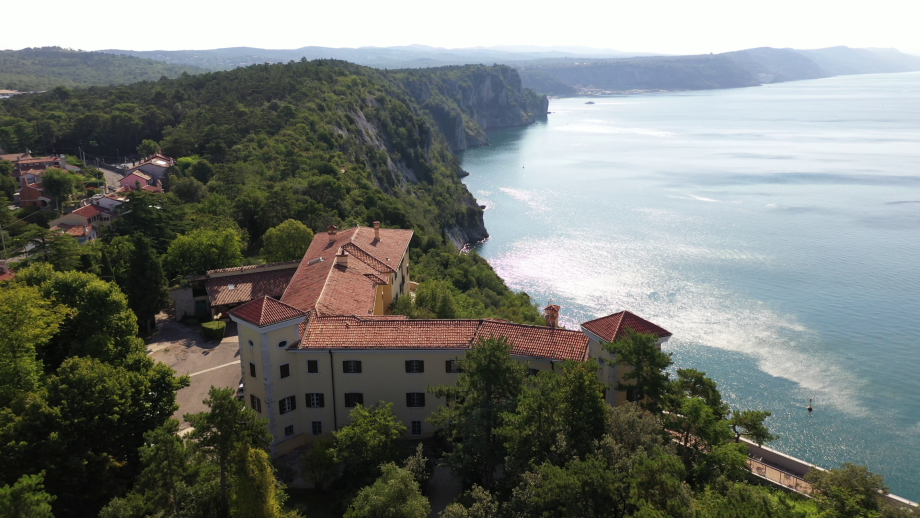
Established in 1982, UWC Adriatic is the first UWC to be set up in a non-English speaking country. The college is located on an open campus in the picturesque coastal village of Duino, just a few kilometres from the border with Slovenia in a region that is a meeting place of Germanic, Latin and Slav cultures.
UWC Adriatic provides a two-year educational pathway for students aged 15-19: the International Baccalaureate Diploma Programme. The IBDP is made up of three core components and six subject groups.
Average class size: 14 students
All students at UWC complete a co-curricular programme called Creativity, Activity and Service
(CAS) – an integral part of the IB qualification. Students get the opportunity to choose a physical, a creative and a social service activity.
UWC Adriatic boasts a fully equipped music centre and sports facilities shared with local associations in Duino, fostering interaction with the local youth. Additionally, outdoor activities in the adjacent hills, mountains, rivers and sea provide a wide range of physical challenges.
The college has student residences scattered through the village of Duino. Rooms vary in size and may be single, double, triple or quadruple. Each residence is unique and this is reflected by the distribution of students/rooming and facilities. Every residence is overseen by one or more residence tutors.
The school supports students’ academic and emotional well-being through:
You can apply to UWC Adriatic through your UWC national committee (NC). National committees represent UWC in over 150 countries and territories around the world.
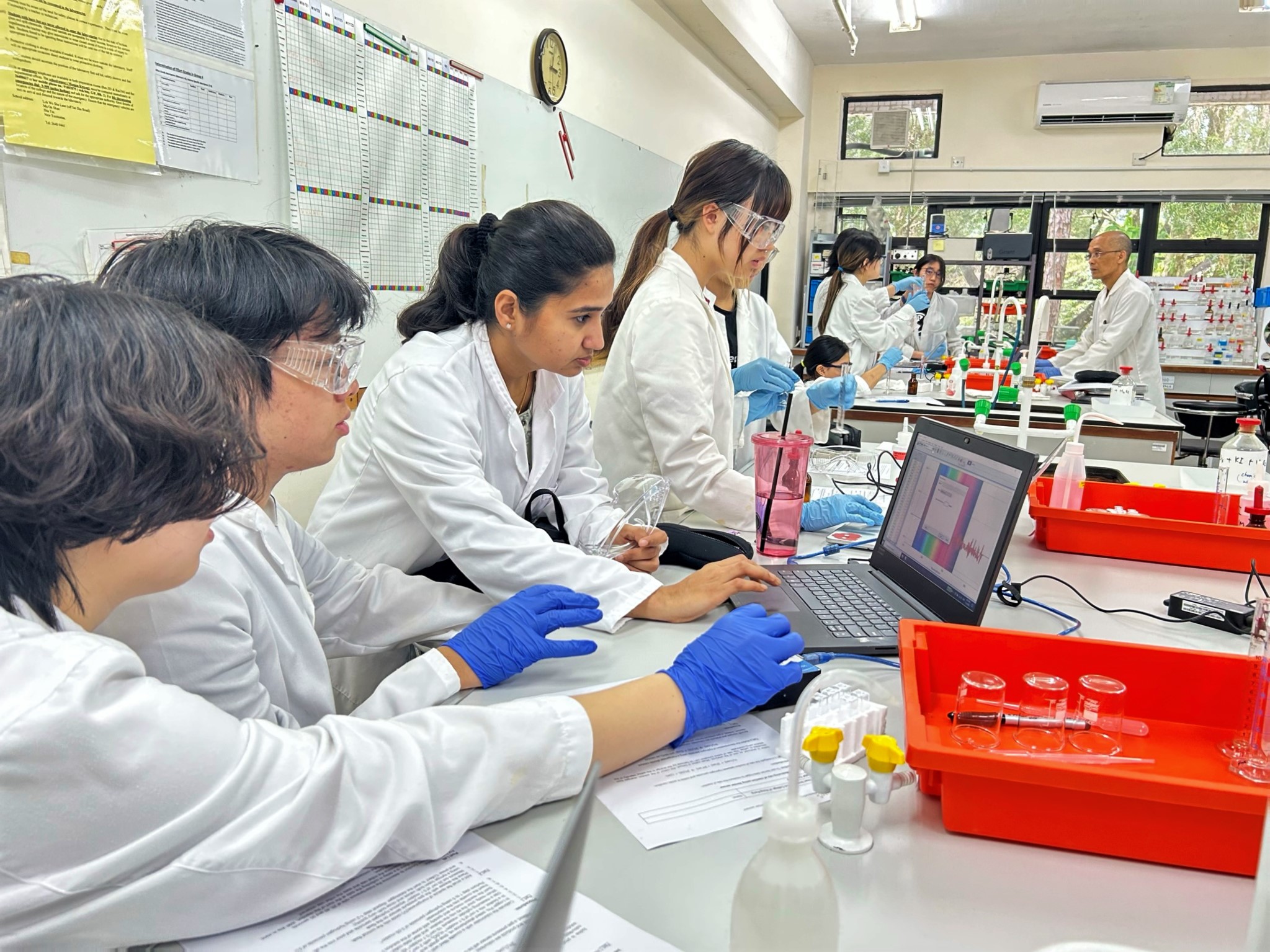
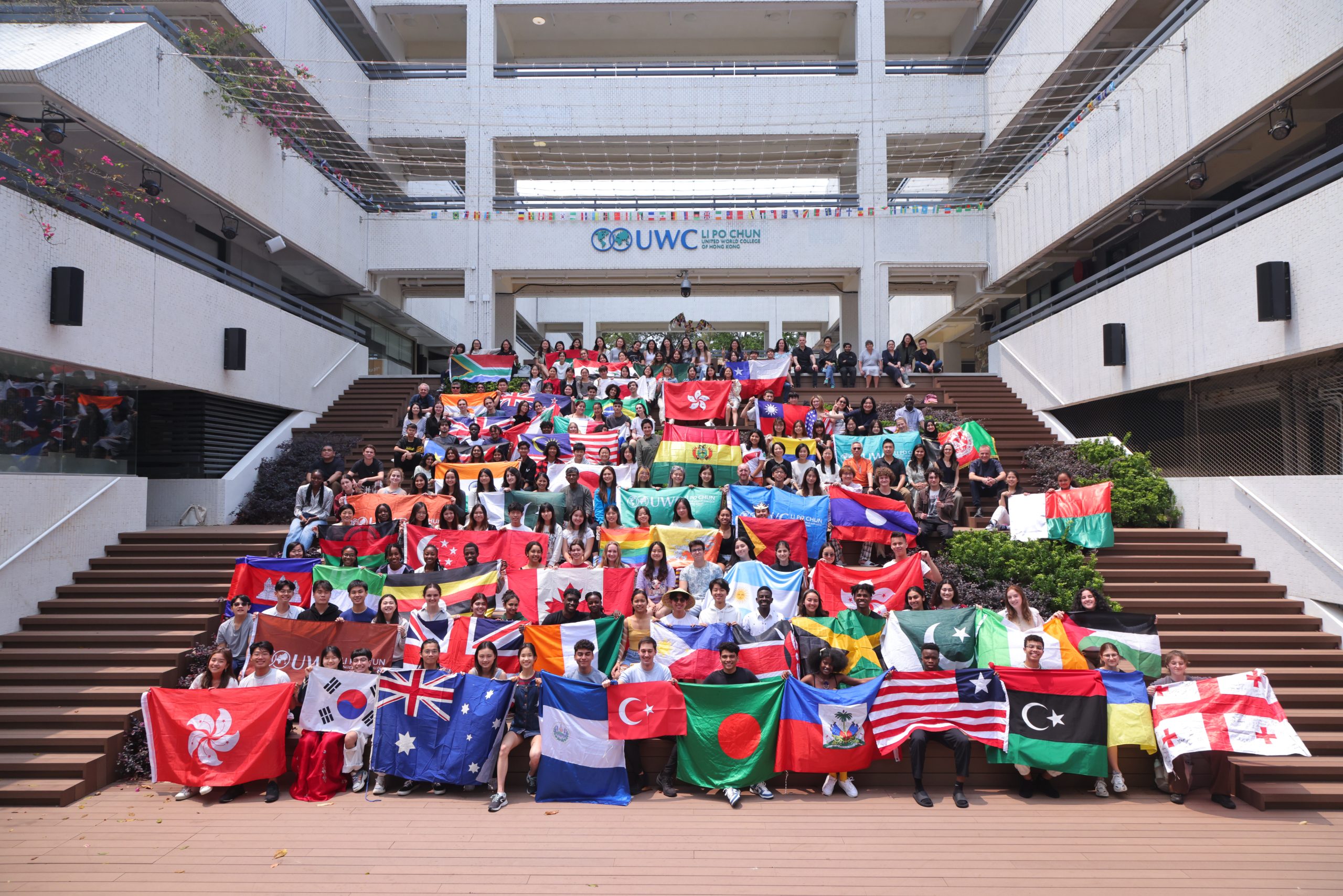
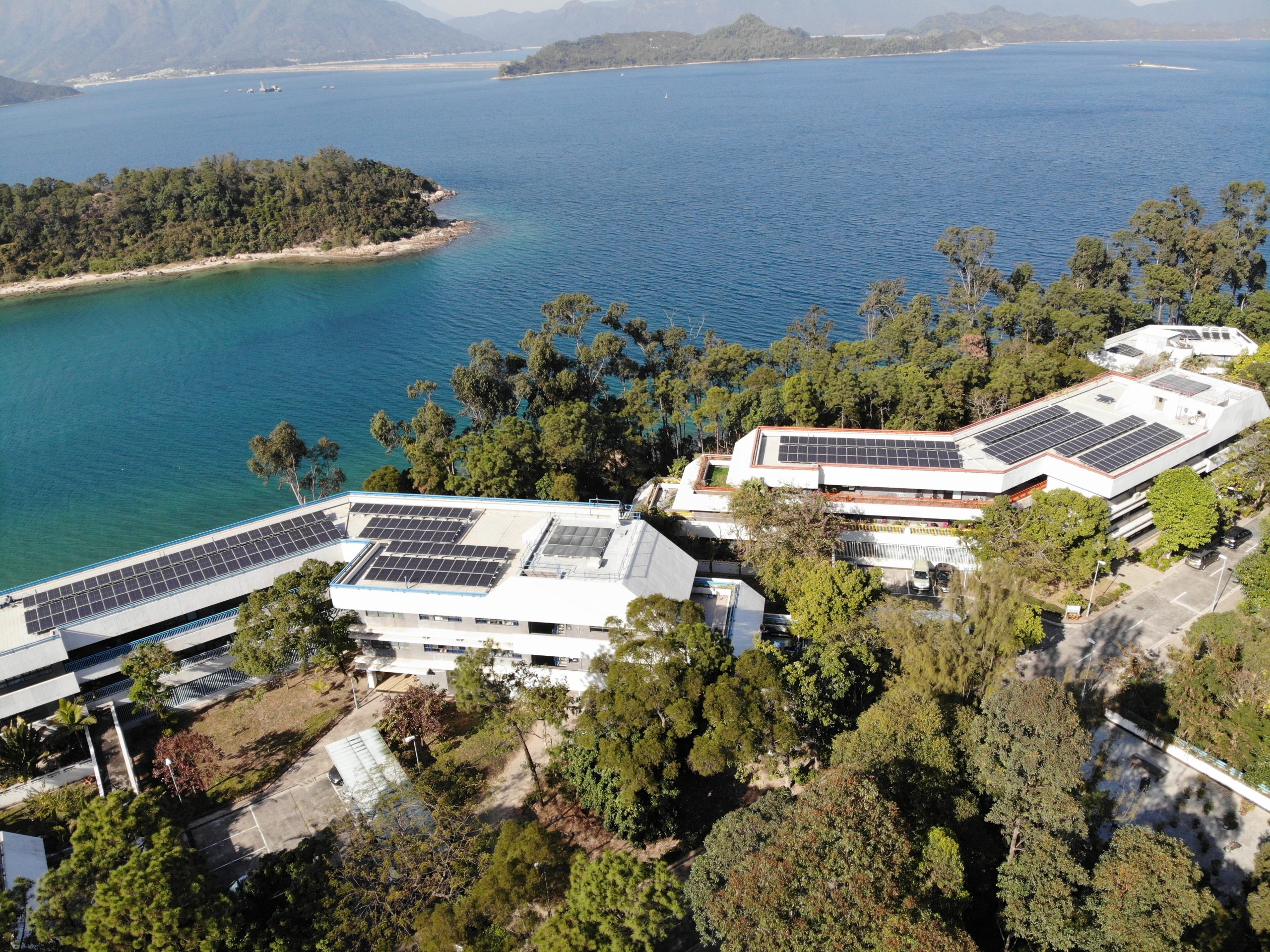
Li Po Chun United World College of Hong Kong (LPCUWC) was established in 1992 as the second UWC in Asia. Situated in the serene outskirts of Ma On Shan Country Park, LPCUWC is also less than an hour from the heart of the city, allowing for frequent and extensive engagement with local communities and organisations. As a tight-knit community surrounded by lush greenery, LPCUWC provides an excellent place for students to develop a deeper understanding of China in relation to Asia and the world through Project Week service trips within the region.
Our students follow the International Baccalaureate Diploma Programme (IBDP), which is made up of three core components and six subject groups. with an average class size of 13 students.
All students at UWC complete a co-curricular programme called Creativity, Activity and Service (CAS) – an integral part of the IB qualification. Students get the opportunity to choose a physical, a creative and a social service activity. There are more than 70 different CAS experiences (referred to as Quan Cai) offered at LPCUWC.
In addition to classrooms, labs and library in the academic building, LPCUWC has a number of amenities from a well- equipped auditorium and theatre, to a climbing wall and outdoor swimming pool.
There are four mixed-gender student residences. Rooms are deliberately mixed with overseas students and local students. All residences have a day room/common room and laundry room. All full-time teachers also live on campus with everyone playing a significant role in the college community, creating and supporting each other’s UWC experience.
The school supports students’ academic and emotional wellbeing through:
You can apply to UWC LPC through your UWC national committee (NC). National committees represent UWC in over 150 countries and territories around the world.
No Short Course found.
Sorry!
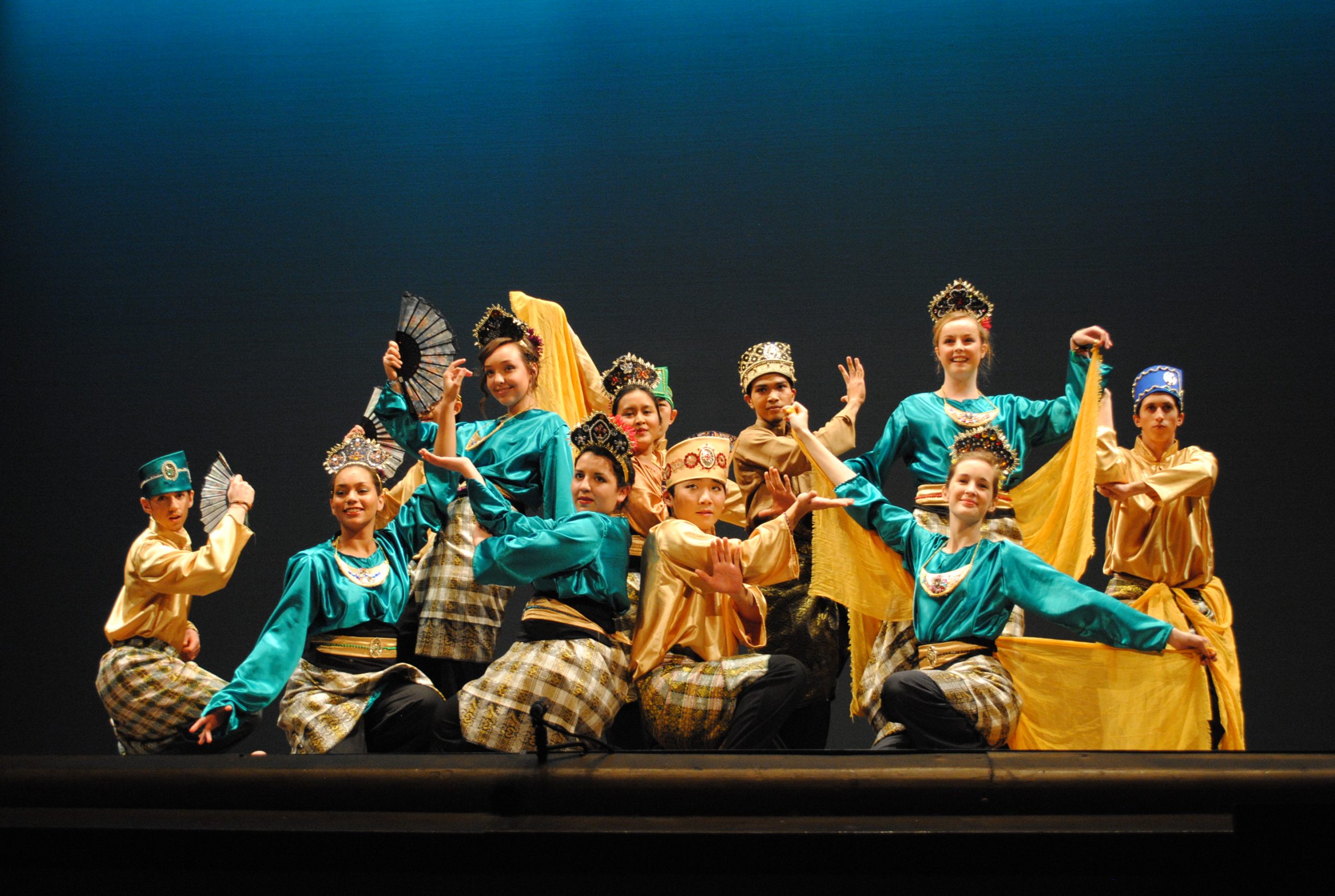
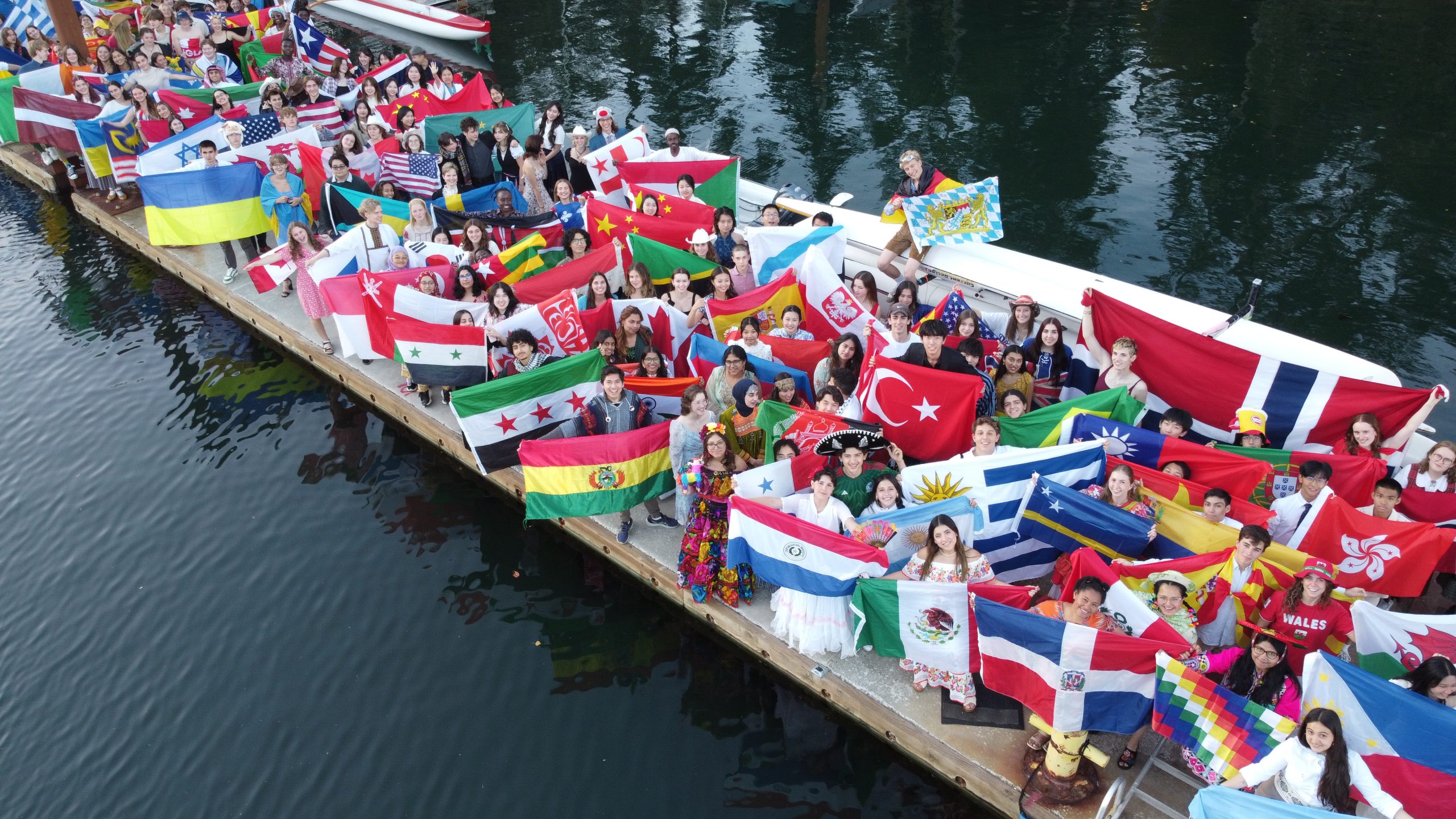
Pearson College UWC (PC UWC) draws accomplished young leaders from up to 160 countries and every province and territory of Canada. Pearson’s curricula feature a strong emphasis on experiential education at the residential campus. Located at the southern tip of Vancouver Island and on the traditional territory of the Sc’ianew (Beecher Bay) First Nation, the campus’ forested and temperate coastal location encourages students to undertake challenging learning in both modern classrooms and outdoors year-round.
Pearson College UWC provides two distinct two-year educational pathways for students aged 16-19: the International Baccalaureate Diploma Programme and the Climate Action Leadership Diploma (CALD), an innovative alternative to the traditional IB curriculum.
Average class size: 13
Pearson College UWC’s innovative alternative pathway is for students with a passion for tackling the most pressing issue facing humanity – climate change. The Climate Action Leadership Diploma (CALD) is an IB Career-related Programme (IBCP) for 16-19 year-olds wanting to specialise in climate leadership.
The CALD curriculum leverages unique programmatic strengths: the location on the shores of the Salish Sea and amongst the old-growth forests of Vancouver Island, a commitment to collaboration and community building with indigenous elders and knowledge keepers, support for local partnerships with outstanding educational institutions and community leaders and a deliberately diverse cohort of inspired students. The curriculum is designed in alignment with UWC values, the IBCP, partnerships with local universities – Camosun College, Vancouver Island University and Royal Roads University – and informed by an analysis of what the world and our students need through the lenses of the UN Sustainable Development Goals and global intersectional movements for change and solidarity.
All students at UWC complete a co-curricular programme called Creativity, Activity and Service (CAS) – an integral part of the IB qualification. Students get the opportunity to choose a physical, a creative and a social service activity.
In addition to classrooms, labs and a specialised marine sciences building, as well as trails and idyllic natural surroundings, Pearson has a number of amenities from meeting rooms and lodging, to bike, kayak and boat rentals.
There are ten rooms in each residence house and each room is usually shared by four to five students from various countries. Each student has a desk, a bed and a closet. Each house has a place to relax and rejuvenate and were recently renovated to include fully equipped kitchens. Each residence has two houseparents who are responsible for the smooth running of the house.
The Dean of Students promotes and preserves the health and well-being of students and community life at the College in collaboration with the health & wellness team, House Parents (parents providing residential support to students), adult residents, advisors, the host family coordinator and other community members.
You can apply through your UWC national committee (NC) or through the UWC Global Selection Programme.


When it opened its doors in 1962, UWC’s founding school – UWC Atlantic – was designed to promote international understanding through education. To this day, the school continues to partner with the International Baccalaureate (IB) to lead in the field of education innovation. It provides a platform for young individuals to learn through shared experiences to become empowered to make a positive difference.
UWC Atlantic provides two distinct two-year educational pathways for students aged 15-19: the International Baccalaureate Diploma Programme and the Systems Transformation Pathway, an innovative alternative to the traditional IB curriculum.
Average class size: 13 students
Most students follow the International Baccalaureate Diploma Programme (IBDP), which is made up of three core components and six subject groups.
Since 2023, UWC Atlantic has offered an alternative piloted educational programme in partnership with the International Baccalaureate called The Systems Transformation Pathway.
This course equips students with the skills, attitude and abilities they need to tackle complex and interdependent systemic challenges. It is fundamentally action-oriented, and it replaces written exams and classroom-based learning with relevant, ambitious, necessary work in complex and authentic real-world contexts. The bespoke curriculum shines a spotlight on Transformative Change, Systems Leadership and Just Futures across the core IBDP curriculum. Students then apply the knowledge they’ve gained, immersing themselves in the impact areas that mean the most to them personally, whether that be biodiversity, energy, food or migration. This course equips students to go beyond treating symptoms to advance transformative change at a systems level.
More information on
https://www.uwcatlantic.org/learning/academic/systems-transformation-pathway
All students at UWC complete a co-curricular programme called Creativity, Activity and Service (CAS) – an integral part of the IB qualification. Students get the opportunity to choose a physical, a creative and a social service activity.
The campus hosts an arts centre, where student-led productions, community meetings and film screenings take place, and the historic castle includes a library and gothic styled dining hall. Surrounded by woodland and situated on the seafront, students are also eligible to volunteer at the National Coastwatch Institution Station, which assists in the protection and preservation of life at sea.
There are eight student residences. Typically, boys and girls are separately accommodated on different floors/wings. Most students are in rooms of four with nationalities and cultures deliberately mixed. All houses have a common room, kitchen and a quiet/study room with computer and Wi-Fi access.
The school supports students’ academic and emotional wellbeing through:
You can apply to UWC Atlantic through your UWC national committee (NC) or through the UWC Global Selection Programme.
No Short Course found.
Sorry!


As the only UWC in Latin America and the Caribbean, UWC Costa Rica (UWC CR) offers a bilingual programme, opportunities to learn more about the region’s social, political and cultural history and opportunities to explore Costa Rica. The country’s long-standing history of peace, democracy, environmental protection and absence of a national military provide the ideal setting to develop UWC Costa Rica’s curriculum.
Our students follow the International Baccalaureate Diploma Programme (IBDP), which is made up of three core components and six subject groups. We are a bilingual college and the IBDP is offered in Spanish and English.
Average class size: 13
All students at UWC complete a co-curricular programme called Creativity, Activity and Service (CAS) – an integral part of the IB qualification. Students get the opportunity to choose a physical, a creative and a social service activity.
UWC Costa Rica’s new campus is located in the mountains of San Isidro de Heredia, on a unique piece of land next to the Braulio Carrillo National Park. The 48 hectares of nature will allow students and guests to immerse themselves in new learning environments, wind down on the trails across campus, learn about the different flora and fauna ecosystems shared with the national park and breathe the fresh air of the mountains. Our current campus at the heart of Santa Ana allows students to directly engage with the Costa Rican community while still surrounded by nature.
Each residence house in Santa Ana has between 24 and 28 students. We have between two and four students per room who are supported by two student resident assistants (who have constant training and adult support) and one adult resident coordinator who lives adjacent to each building.
Students can stay on campus or stay with host families during the mid-term breaks. During summer, students must return to their families.
The school supports students’ academic and emotional well-being through:
You can apply to UWC Costa Rica through your UWC national committee (NC) or through the UWC Global Selection Programme.
No Short Course found.
Sorry!


Located in Dilijan, Armenia, on the ancient silk route and at a crossroads of Europe, the Middle East and Russia, UWC Dilijan symbolises the idea of internationalism and friendship. The only UWC in the post-Soviet space, the school aims to work, through education, towards fostering peace and sustainable social, economic and environmental development in the region and the world as a whole.
Our students follow the International Baccalaureate Diploma Programme (IBDP), which is made up of three core components and six subject groups.
Average class size: 14 students
All students at UWC complete a co-curricular programme called Creativity, activity and service (CAS) – an integral part of the IB qualification. Students get the opportunity to choose a physical, a creative and a community service activity.
The co-curricular programme at UWC Dilijan consists of 4 elements – CAS, Project Weeks, Focus Weeks and Cultural Weekends. Students work closely with the local community in Dilijan and in neighbouring villages, engaging in the activities of organisations working with kids and the disadvantaged. UWC Dilijan’s outdoor education includes hiking, skiing, sailing and caving expeditions with access to nature to inspire team building and a keen interest in the environment.
The cutting-edge campus is set on eight hectares of sloping and wooded countryside, located in the Dilijan National Park. Its architectural design, employing the most advanced environmental standards, provides access to knowledge anywhere, at any time through technology that fuels a continuous and adaptive learning environment.
We have modern, well-equipped residential facilities and students live in one of six boarding houses, known as ‘Toons’ (the Armenian word for home). Typically, students are two or four per room with shared bathrooms. We do our best to ensure a mix of students – by country, culture or language – in each room to foster international understanding.
Students return home for the winter and summer breaks unless they are unable to. In this case, the school helps them to either find a host family or rent a shared apartment with other students.
The school supports students’ academic and emotional well-being through:
You can apply to UWC Dilijan through your UWC national committee (NC) or through the UWC Global Selection Programme.
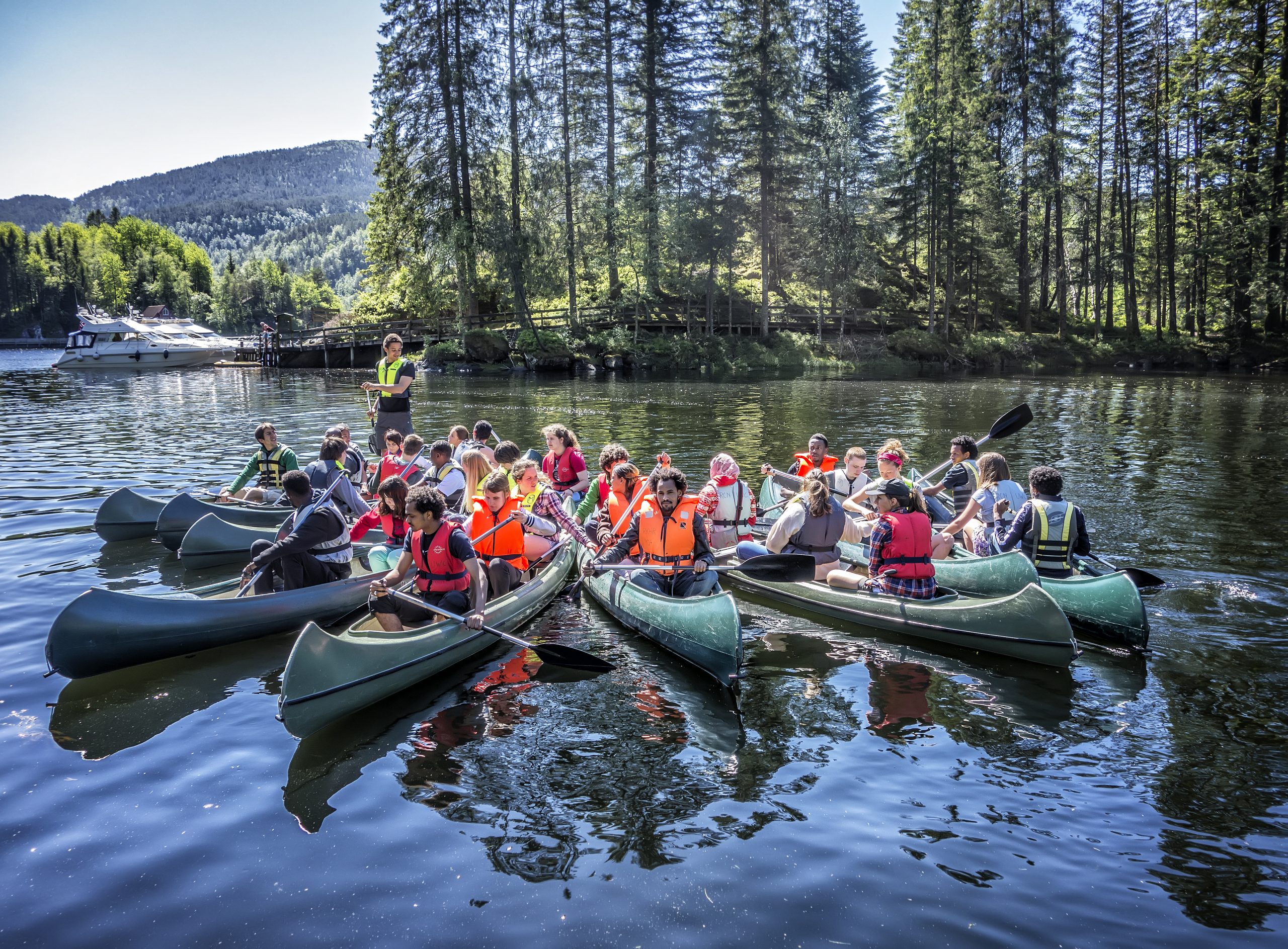
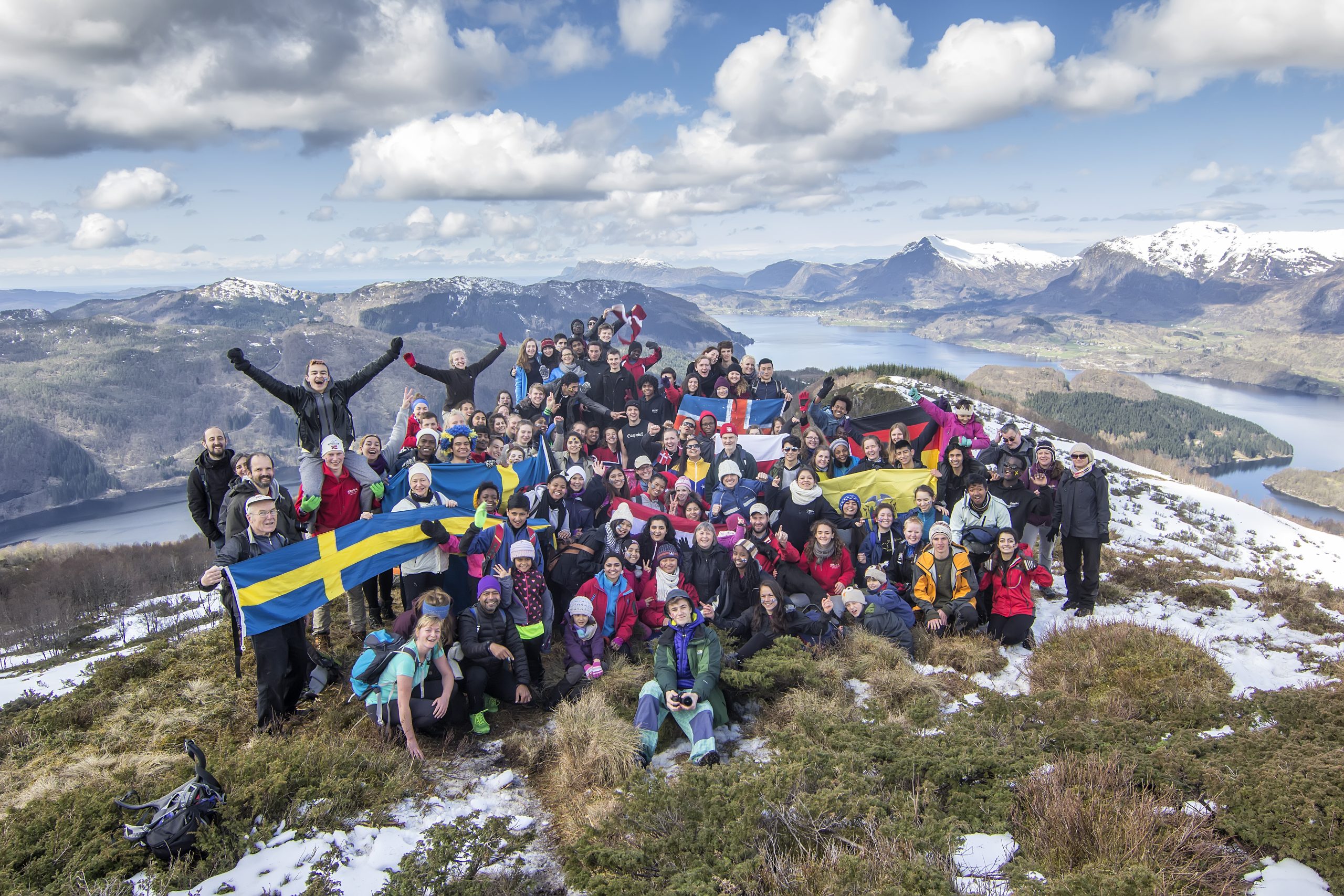

Established in 1995, UWC Red Cross Nordic College (UWC RCN) is situated in Flekke, Norway. Proudly operating as a Foundation, the college is sustained by the collective contributions of all Nordic countries, with the Red Cross in Norway and Sogn & Fjordane standing as key founders. Embracing UWC’s commitment to humanitarian principles, students at UWC RCN actively pursue a Red Cross diploma, embodying our dedication to fostering global understanding and service.
Our students follow the International Baccalaureate Diploma Programme (IBDP), which is made up of three core components and six subject groups.
Average class size: 14 students
All students at UWC complete a co-curricular programme called Creativity, Activity and Service (CAS) – an integral part of the IB qualification. Students get the opportunity to choose a physical, a creative and a social service activity. At UWC RCN, students also complete the Red Cross diploma as part of the CAS programme.
The beautiful UWC RCN campus is nestled on the edge of a fjord in Flekke, Norway. The outdoor setting provides extensive opportunities for engaging with the natural environment, which is a defining aspect of the college.
The students live in rooms of five (a combination of 1st and 2nd year students) with an ensuite bathroom. The Houses have individual common areas, with sofas, a table and chairs, refrigerator and freezer, notice boards and simple cooking tools, including a stove, microwave and toaster. House Leaders live adjacent to the boarding houses.
UWC RCN requires an extra level of resilience given its remote location and the darkness of the winter period. Some students find the isolation of the campus to be more challenging than they expected, although there is a wide range of support in place to help them manage this.
The school supports students’ academic and emotional wellbeing through:
You can apply through your UWC national committee (NC) or through the UWC Global Selection Programme.


Founded in 1982, UWC-USA’s location in Montezuma, New Mexico, was chosen because of its remarkable beauty and proximity to immense wilderness areas in the historic region of Northern New Mexico. At UWC-USA students forge connections with peers of diverse backgrounds, engage in community service and develop a profound respect for nature through wilderness experiences. Simultaneously, they navigate a demanding IB diploma programme, gaining practical idealism skills that shape them into lifelong changemakers.
UWC-USA provides a two-year educational pathway for students aged 15-19: the International Baccalaureate Diploma Programme. The IBDP is made up of three core components and six subject groups.
Average class size: 16 students
All students at UWC complete a co-curricular programme called Creativity, Activity and Service (CAS) – an integral part of the IB qualification. Students get the opportunity to choose a physical, a creative and a social service activity. UWC-USA offers approximately 50 CAS options that are grouped into four tracks: Arts and Culture; Constructive Engagement of Conflict; Sustainability; and Wilderness.
UWC-USA is located at the edge of the Pecos Wilderness in the foothills of the Sangre de Cristo Mountains. The 200 acre campus is anchored by the famous Montezuma Castle and includes several classrooms, residential buildings as well as an extensive sports complex. The 20-acre Agroecology Research Centre – or ‘The Farm’ – features a working farm utilising sustainable agriculture techniques, providing produce for the campus dining hall.
There are six residential dorm spaces, each housing around 40 students, with resident coordinators and resident assistants for each dorm. There is a kitchen and “dayroom” in each facility, with students living two to three per room.
Support at UWC-USA comes in various ways, starting with our general ethos of celebrating our differences while looking for what connects us all. Students have access to small classes, excellent teachers, college counsellors, residence coordinators, student RAs, academic advisors, personal counsellors, peer tutors, a health clinic and licensed therapists.
The dining hall offers a wide variety of food options including both meat and plant-based choices at every meal. Much of the produce is grown on the UWC-USA farm.
Students also find support via their various identities in groups such as the Black Caucus, LGBTQ+ association and regional affiliation. Other support comes from the Student Wellness Education and Empowerment Team (SWEET), Constructive Engagement of Conflict, Climate Action Team and the Inclusivity, Diversity, Equity and Access (IDEA) team. Courses in CPR, First Aid and Mental Health First Aid are offered regularly.
You can apply through your UWC national committee (NC) or through the UWC Global Selection Programme.