Robert Bosch College

UWC Robert Bosch College

200 | 16-19-years

Freiburg, Germany

2014

Banner imageBanner imageBanner image

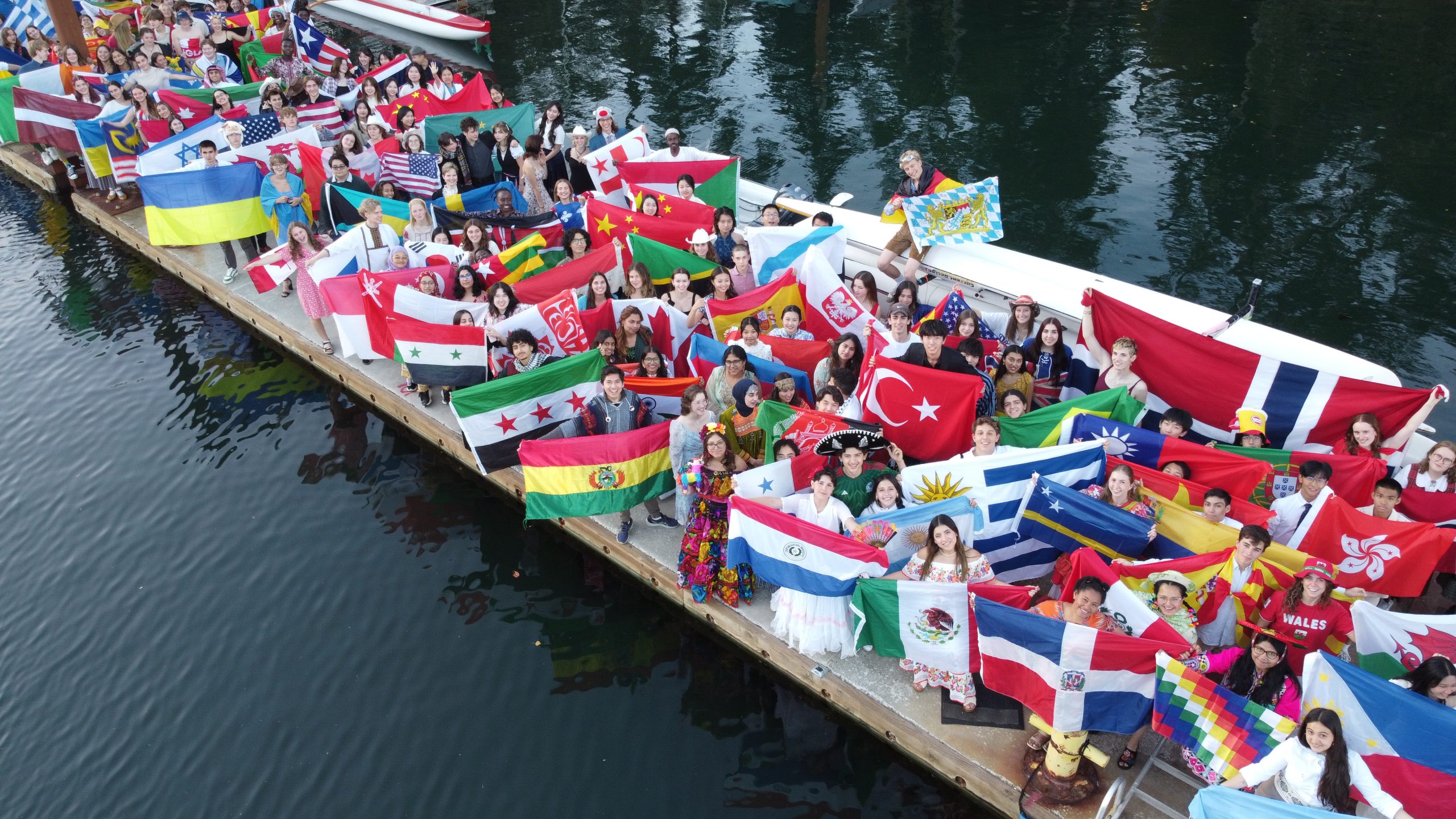
UWC Robert Bosch College (UWC RBC) is a joint project of the Deutsche Stiftung UWC as well as the Robert Bosch Stiftung. Located in Freiburg, Germany, deliberate diversity is the college’s main goal, and it currently provides 65% of its student body with full scholarships, thanks to funding from the state ministry, the Robert Bosch Stiftung, B.Braun Melsungen AG as well as many other foundations and individuals.

Three Unique Features
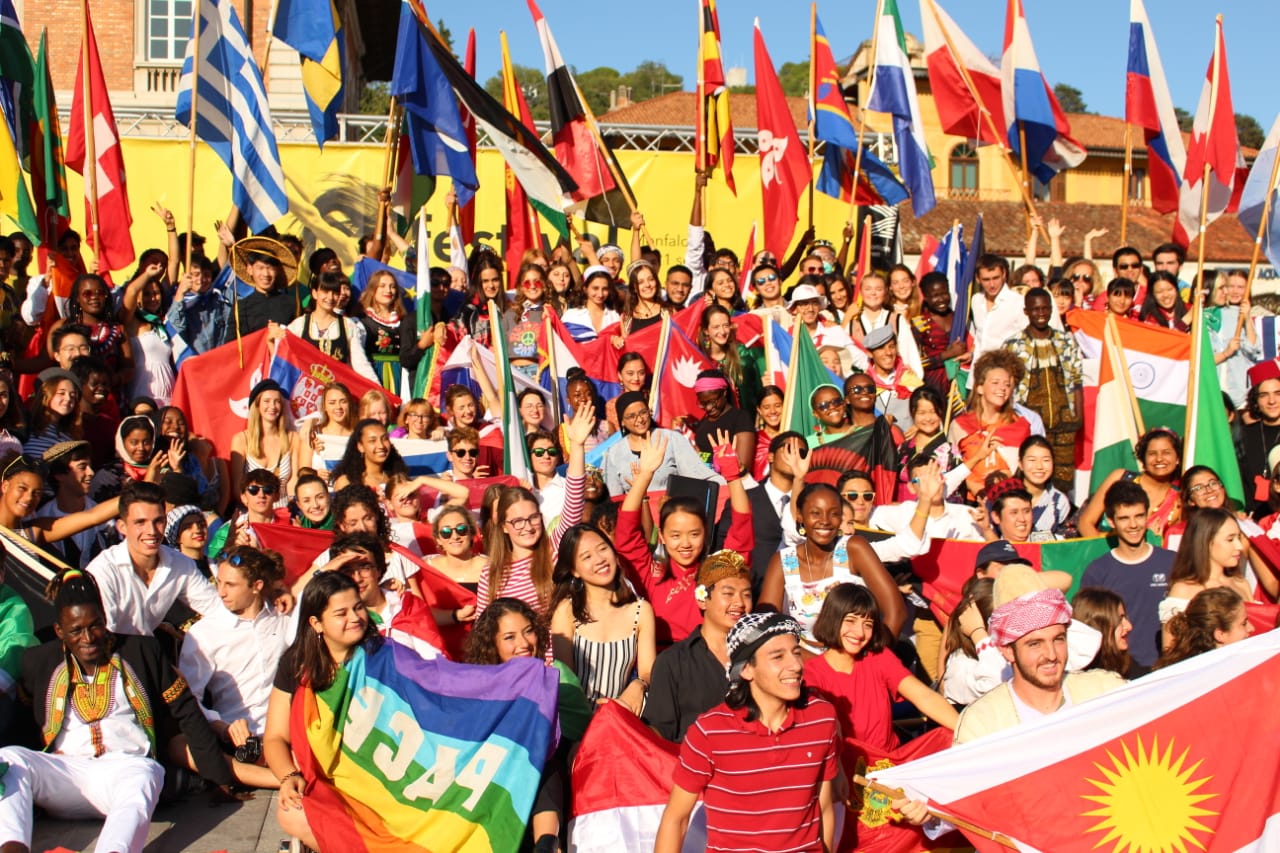
  • Deliberate diversity: Over 90 nationalities speaking more than 60 languages and representing all major faith groups. 
  • Sustainability: Collaborations with city institutions and experiences from students and staff form the basis of sustainability education on campus. 
  • University town Freiburg: Located in close proximity to Freiburg, students can benefit from its cultural life as well as a good choice of service projects for the Creativity, Activity, Service (CAS) programme and beyond.

Our students follow the International Baccalaureate Diploma Programme (IBDP), which is made up of three core components and six subject groups. Average class size: 12 students

Core components
  • Theory of Knowledge: Students reflect on the nature of knowledge and on how we claim what we know.
  • The Extended Essay: An independent, self-directed piece of research finishing with a 4,000-word paper.
  • Creativity, Activity, Service (CAS): Students take part in a range of experiences and at least one project.
Subjects
  • Studies in language and literature: English Language & Literature, German Language & Literature, French Language & Literature, Spanish Language & Literature, Arabic Language & Literature, School Supported Self-Taught Literature
  • Language acquisition: English B, French B, German Ab Initio, German B 
  • Individuals and societies: Economics, Geography, History, Global Politics, Environmental Systems & Societies, Social & Cultural Anthropology
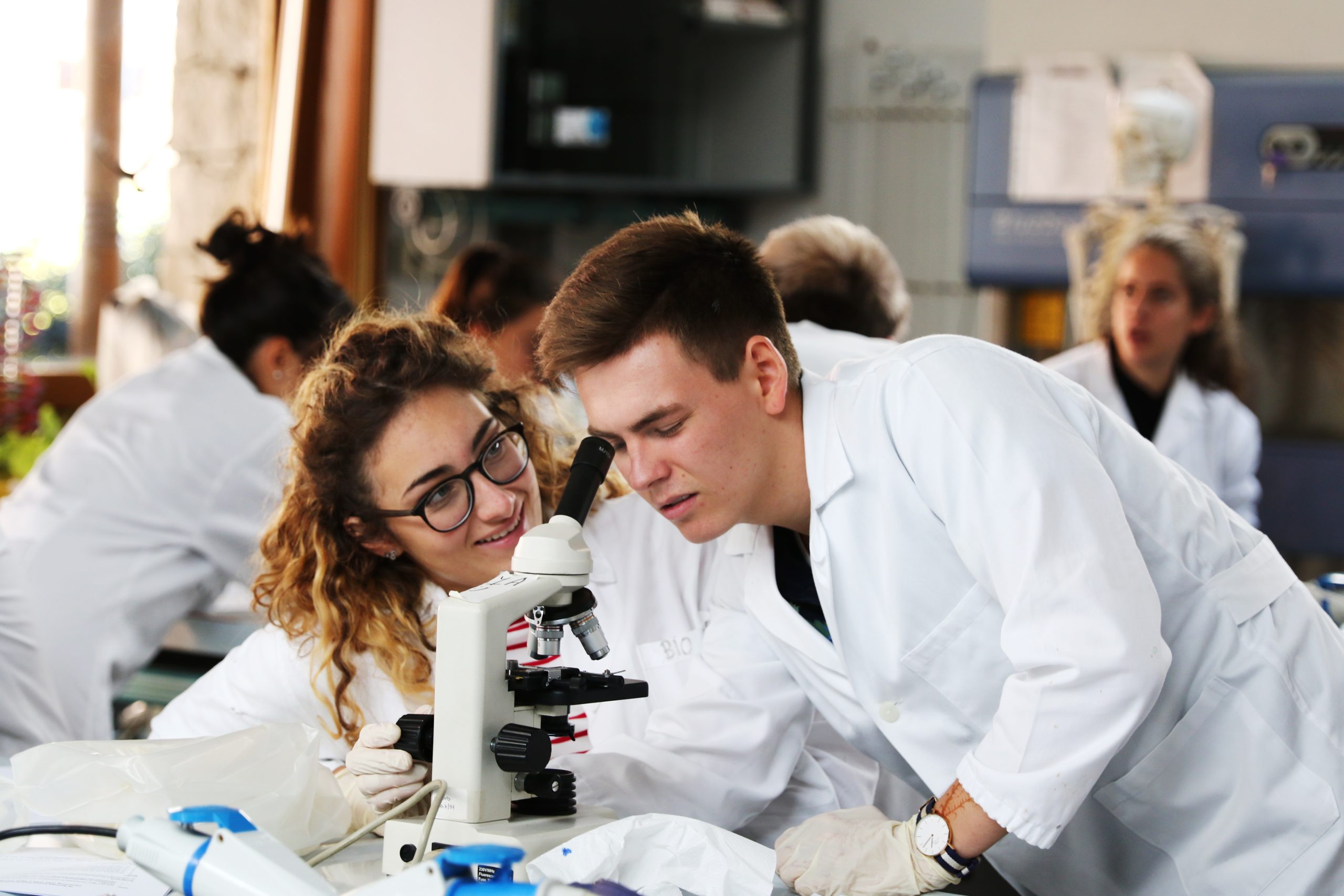
  • Sciences: Biology, Chemistry, Physics, Environmental Systems & Societies
  • Mathematics: Maths - Analysis and Approaches, Maths - Applications and Interpretation
  • The arts: Visual Arts, Theatre
Co-curricular

All students at UWC complete a co-curricular programme called Creativity, Activity and Service (CAS) - an integral part of the IB qualification. Students get the opportunity to choose a physical, a creative and a social service activity.

UWC RBC places a particular emphasis on environmental issues. A key question is how technology can contribute to sustainable, ecological development and peace. This, together with the innovative pedagogical approach to the development of the school and its programme, gives UWC Robert Bosch College a distinctive profile.

Physical activities

Badminton

Basketball

Afro-Caribbean Dance

Football

Archery

Bouldering

Cycling

Dancing

Volleyball

Work Out

Running

Swimming

Taekwondo

Ultimate frisbee

Yoga

Zumba

Creative activities

Chess

Choir

Coding

Cooking

Creative writing

Crochet

Debating

Game making

Handcrafting

Jazz band

Magic

Mechatronics

Model United Nations

Modern Dance

Orchestra

RBC Affairs

Sewing

Social Media

Ted Talks

Theatre

Social service

Academic Tutoring

Adopt a creek!

Bike Repair Workshop

Digital Coaching for Seniors

Foodbank volunteering

Support people who are homeless

Junghof Horse Sanctuary

Movement for Musical Minds

Peer Support Programme

RBC Barn: Chickens, Bunnies and Alpacas

Tree maintenance

Urban Gardening

Outside of UWC RBC,  students work together with organisations in neighbouring communities, including elderly homes, child care centres, and animal shelters, as well as environmental, human rights and refugee organisations.

Located in Freiburg, Germany‘s “green city“, the college has a special focus on sustainability, which is embedded in academics, student life and the architecture of the buildings. The proximity to the Black Forest National Park further allows for a well-rounded outdoor programme.

Theatre Stage

Art Centre

Music Room

Nearby sports fields

Basketball Court

Residential accommodation:

Within the campus, there are eight three-storey student residences. The main floor includes a communal kitchen, common room and laundry facilities, with a wheelchair-accessible two-person room. The other two floors have three rooms for four students each and a shared bathroom with showers. Housing is generally co-ed, with floors often arranged by gender. Students are assigned rooms based on gender identity and preference where possible. Each residence is supervised by a House Parent (parents providing residential support to students) living in a nearby staff house.

Academic and emotional well-being

The school supports students’ academic and emotional well-being through:

  • Full-time mental health counsellor offering individual counselling sessions, group activities, training and supervision for peer supporters and will refer students for further external support where necessary
  • Each student is assigned a personal tutor group of up to 10 students 
Medical provisions
  • Full-time nurse
  • Personal and House Tutors with general first aid training provide support for students
  • Management team member on call for emergencies

You can apply to UWC Robert Bosch College through your UWC national committee (NC). National committees represent UWC in over 150 countries and territories around the world.

Filter

Robert Bosch College

UWC Robert Bosch College

200 | 16-19-years

Freiburg, Germany

2014

Banner imageBanner imageBanner image

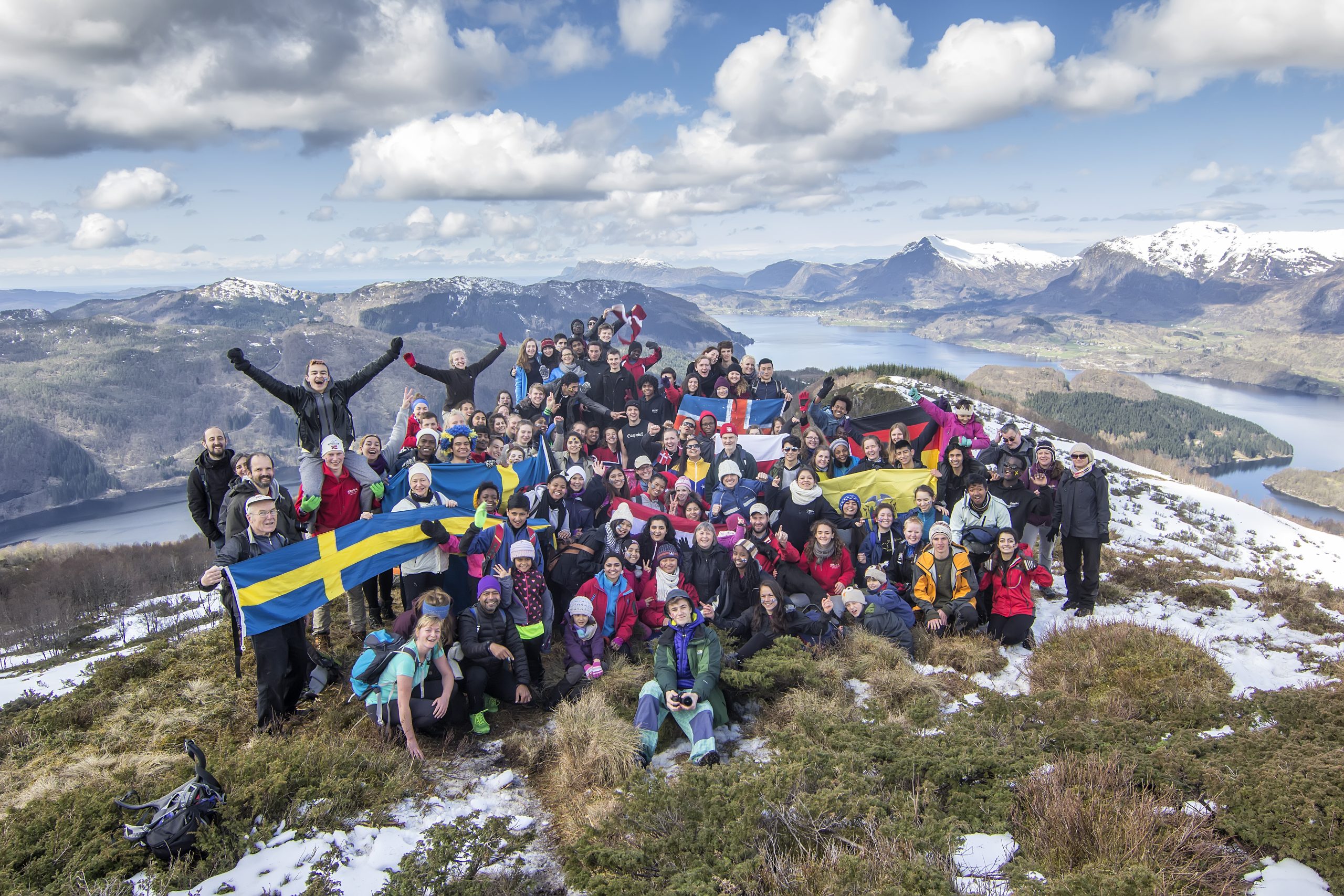
UWC Robert Bosch College (UWC RBC) is a joint project of the Deutsche Stiftung UWC as well as the Robert Bosch Stiftung. Located in Freiburg, Germany, deliberate diversity is the college’s main goal, and it currently provides 65% of its student body with full scholarships, thanks to funding from the state ministry, the Robert Bosch Stiftung, B.Braun Melsungen AG as well as many other foundations and individuals.

Three Unique Features

  • Deliberate diversity: Over 90 nationalities speaking more than 60 languages and representing all major faith groups. 
  • Sustainability: Collaborations with city institutions and experiences from students and staff form the basis of sustainability education on campus. 
  • University town Freiburg: Located in close proximity to Freiburg, students can benefit from its cultural life as well as a good choice of service projects for the Creativity, Activity, Service (CAS) programme and beyond.

Our students follow the International Baccalaureate Diploma Programme (IBDP), which is made up of three core components and six subject groups. Average class size: 12 students

Core components

  • Theory of Knowledge: Students reflect on the nature of knowledge and on how we claim what we know.
  • The Extended Essay: An independent, self-directed piece of research finishing with a 4,000-word paper.
  • Creativity, Activity, Service (CAS): Students take part in a range of experiences and at least one project.
Subjects

  • Studies in language and literature: English Language & Literature, German Language & Literature, French Language & Literature, Spanish Language & Literature, Arabic Language & Literature, School Supported Self-Taught Literature
  • Language acquisition: English B, French B, German Ab Initio, German B 
  • Individuals and societies: Economics, Geography, History, Global Politics, Environmental Systems & Societies, Social & Cultural Anthropology
  • Sciences: Biology, Chemistry, Physics, Environmental Systems & Societies
  • Mathematics: Maths – Analysis and Approaches, Maths – Applications and Interpretation
  • The arts: Visual Arts, Theatre
Co-curricular

All students at UWC complete a co-curricular programme called Creativity, Activity and Service (CAS) – an integral part of the IB qualification. Students get the opportunity to choose a physical, a creative and a social service activity.

UWC RBC places a particular emphasis on environmental issues. A key question is how technology can contribute to sustainable, ecological development and peace. This, together with the innovative pedagogical approach to the development of the school and its programme, gives UWC Robert Bosch College a distinctive profile.

Physical activities

Badminton
Basketball
Afro-Caribbean Dance
Football
Archery
Bouldering
Cycling
Dancing
Volleyball
Work Out
Running
Swimming
Taekwondo
Ultimate frisbee
Yoga
Zumba
Creative activities

Chess
Choir
Coding
Cooking
Creative writing
Crochet
Debating
Game making
Handcrafting
Jazz band
Magic
Mechatronics
Model United Nations
Modern Dance
Orchestra
RBC Affairs
Sewing
Social Media
Ted Talks
Theatre
Social service

Academic Tutoring
Adopt a creek!
Bike Repair Workshop
Digital Coaching for Seniors
Foodbank volunteering
Support people who are homeless
Junghof Horse Sanctuary
Movement for Musical Minds
Peer Support Programme
RBC Barn: Chickens, Bunnies and Alpacas
Tree maintenance
Urban Gardening

Outside of UWC RBC,  students work together with organisations in neighbouring communities, including elderly homes, child care centres, and animal shelters, as well as environmental, human rights and refugee organisations.

Located in Freiburg, Germany‘s “green city“, the college has a special focus on sustainability, which is embedded in academics, student life and the architecture of the buildings. The proximity to the Black Forest National Park further allows for a well-rounded outdoor programme.

Theatre Stage
Art Centre
Music Room
Nearby sports fields
Basketball Court
Residential accommodation:

Within the campus, there are eight three-storey student residences. The main floor includes a communal kitchen, common room and laundry facilities, with a wheelchair-accessible two-person room. The other two floors have three rooms for four students each and a shared bathroom with showers. Housing is generally co-ed, with floors often arranged by gender. Students are assigned rooms based on gender identity and preference where possible. Each residence is supervised by a House Parent (parents providing residential support to students) living in a nearby staff house.

Academic and emotional well-being

The school supports students’ academic and emotional well-being through:

  • Full-time mental health counsellor offering individual counselling sessions, group activities, training and supervision for peer supporters and will refer students for further external support where necessary
  • Each student is assigned a personal tutor group of up to 10 students 
Medical provisions

  • Full-time nurse
  • Personal and House Tutors with general first aid training provide support for students
  • Management team member on call for emergencies

You can apply to UWC Robert Bosch College through your UWC national committee (NC). National committees represent UWC in over 150 countries and territories around the world.
UWC Mahindra College

UWC Mahindra College

245 Students | 16-18-years

Pune, India

1997

Banner imageBanner imageBanner image

In 1997, UWC Mahindra College (MUWCI) was established as a vibrant college located on the hilltops of rural Maharashtra in Pune, India. The College is known for its curricular innovation and community engagement. MUWCI pioneered the International Baccalaureate’s (IB) World Studies Extended essay and Film Studies programme, while also housing the Akshara Foundation, fostering local impact and offering students opportunities for project-based and service learning.

Three Unique Features

  • Curricular richness: Recognised for its curricular innovation, MUWCI has contributed to the global International Baccalaureate curriculum, with several programmes conceived here. Recently, MUWCI introduced its MUWCI Core, encompassing four pillars of learning – social and emotional, outdoor and ecological, place-based and contextual and political. The College also provides real-world experiences through the Project-Based Certificate.
  • Student-led initiatives: Students actively participate in campus decision-making processes, including resource management initiatives on campus and neighbouring villages. Their involvement also leads to enduring traditions like the Community Fund and the annual Theatre Season, where students direct and perform plays around campus throughout a two-week period in February.
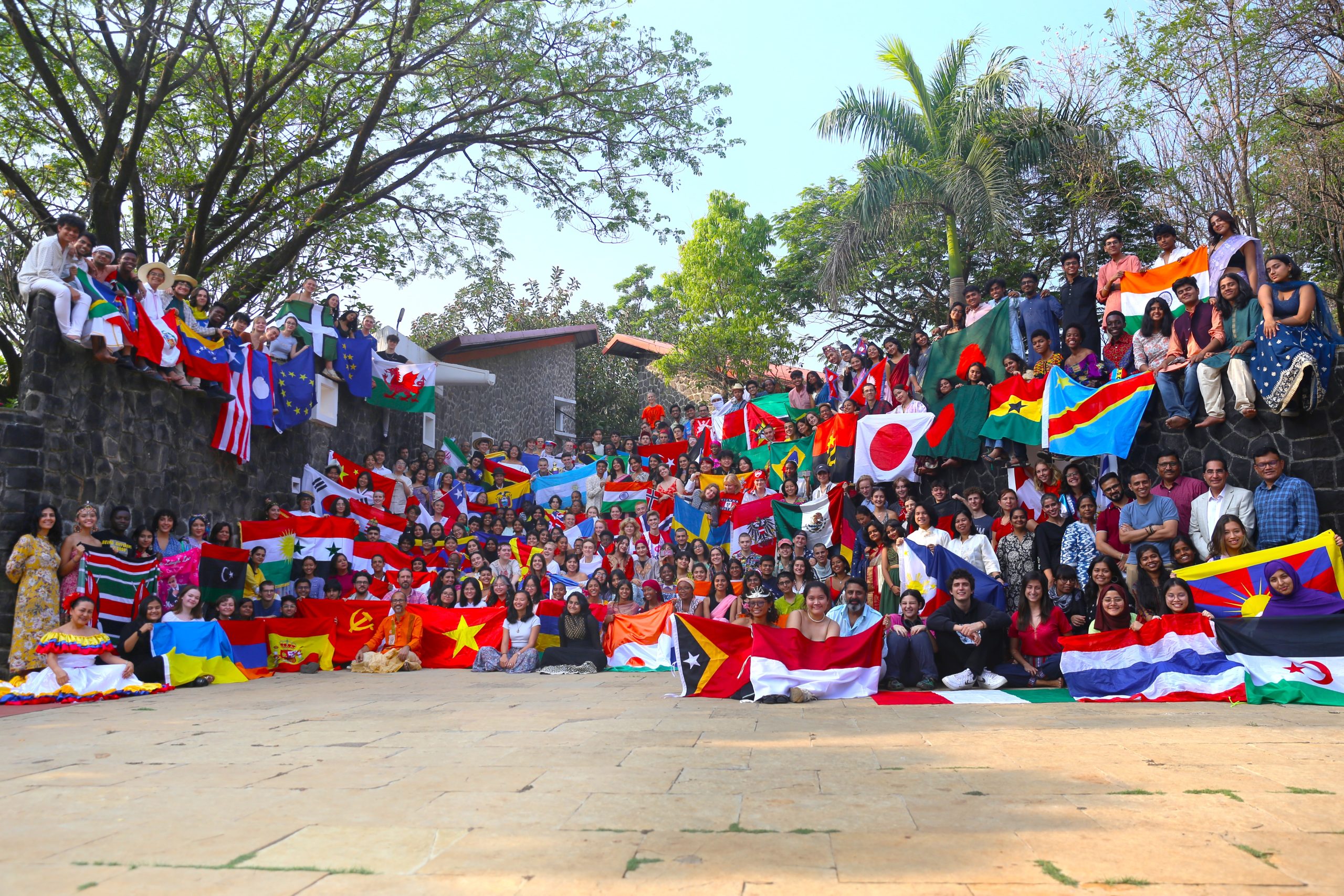
  • Indian context: At MUWCI, not only do students enjoy a diverse classroom with peers from over 60 countries, but also through influences from the surrounding valley’s linguistic and cultural richness. Courses like ‘This is India’ and ‘Global Affairs’ provide important contexts and rare opportunities to engage with the community, while Project Week and Experience India Week offer brief immersive experiences across the country.

Our students follow the International Baccalaureate Diploma Programme (IBDP), which is made up of three core components and six subject groups.

Average class size: 15

International Baccalaureate Diploma Programme

Core components

  • Theory of Knowledge: Students reflect on the nature of knowledge and on how we claim what we know.
  • The Extended Essay: An independent, self-directed piece of research finishing with a 4,000-word paper.
  • Creativity, Activity, Service (CAS): Students take part in a range of experiences and at least one project.
Subjects

  • Studies in language & literature: English Literature, English A Language & Literature, Hindi Literature, Spanish Literature, School Supported Self-Taught Literature, Language & Culture
  • Language acquisition: English B, French B, French Ab Initio, Hindi B, Spanish Ab Initio, Spanish B Language acquisition: English B, French B, Chinese B, Spanish B, French AbInitio, Chinese Ab Initio, Spanish Ab Initio
  • Individuals and societies: Economics, History, Global Politics, Philosophy, Psychology
  • Sciences: Biology, Chemistry, Physics, Environmental Systems & Societies
  • Mathematics: Maths – analysis & approaches, Maths – applications & interpretation
  • The arts: Visual Arts, Theatre, Film Studies
Co-curricular

All students at UWC complete a co-curricular programme called Creativity, Activity and Service (CAS) – an integral part of the IB qualification. Students get the opportunity to choose a physical, a creative and a social service activity. Our Triveni (CAS) programme is extensive and a crucial part of a MUWCI education, with particular focus on community engagement and outdoor education. We also have a rich variety of inclusive campus events, celebrating the diversity of our students and the local culture and festivals.

The CAS activities on offer change each year as they are student-led and faculty mentored. Typically we offer 30+ creative and physical activities and 25+ on and off-campus service learning opportunities. A sampling of what’s on offer is below:

Physical activities

Badminton
Basketball
Bollywood Triveni
Afro Latin
Cricket – for beginners
Frisbee
Tennis
Volleyball
Martial Arts for Beginners
Table Tennis
Yoga and meditation
Futbal
Advanced football
Creative activities

Arabic for Habibis
ArtSoc
Pottery Club
Bollywood
Club Stonks
Ensemble
Hair Workshop
Humans of MUWCI
Improvisational Theatre
K-Dance Sitar
Lingua Franca
Manlymen
Model United Nations
MUWCI-preneurs
MUWCI Techraiders
MUWCI Podcast
Paper Making & Knitting
Race Space Spectrum
Rhetorix Music
The Improv Dance
Upcycled Fashion
Writer’s Lab
Social service

Amaavasya
Amnesty International
Animal Rescue Service
Astronomy Centre x High School Science
AVNI Letters for Learning Aruni
Biomonitoring
Community Theatre
Computers 4 All
Dukaan
Fire and Rescue
Fitness & Nutrition Gym
Global Affairs
Gomukh
Green Team
Kriya Shivaji Community Theatre
LGBTQ+
Library Service
Light & Sound Fix It Around Us
MedSoc
MUWCI Media
Night School
Outdoor Education Service
Peer Tutoring
Project Sita
Sadhana Friends
Service Community Funds
SuperPeople
The UWC Buzz
Travelling with Arts

Located on a beautiful hilltop in rural Maharashtra, MUWCI has a sprawling 180-acre built-to-purpose campus with a biodiversity reserve within the Sahyadri mountain ranges – a UNESCO World Heritage site.

Medical Centre
Theatre Stage
Outdoor Swimming Pool
Gym
Football Pitch
Tennis Courts
Art Centre
Music Room
Basketball Courts
Indoor badminton court
Obstacle Course (rope climbing, climbing wall, monkey bar)
Kayak facility
Tree House
Music Room
TV room
Multipurpose Hall
Spaces for Spiritual Practice
Digital film lab
Indoor/Outdoor Cafeteria
Library
Art studio
IT Centre
Social Centre: recreation room, tuck shop, outdoor education store
Residential accommodation:

MUWCI is divided into five ‘wadas’ (residential clusters). Students live with relative independence and responsibility in houses of eight arranged around a shared courtyard. Each room houses four students from different continents. So-called “wada parents” and other faculty are part of the wada community, living with their families and pets in adjacent homes. Residential buildings include common rooms with kitchens and separate laundry facilities.

Medical provisions

  • Resident doctor and nurses
  • 16-bed medical centre staffed by an on-call resident doctor and full-time nurses
  • Specialist consultation and hospitals nearby in Pune, 90 minutes from campus via college ambulance.
Academic and emotional well-being

  • Faculty advisors and wada (residence) parents provide pastoral care for students
  • Head of Student Life and on-campus staff members focus on student well-being
  • Psychologist available on campus
  • Psychiatric specialists available for consultation in Pune when needed

You can apply through your UWC national committee (NC) or through the UWC Global Selection Programme.

Filter

Sorry!

No Short Course found.

UWC Adriatic

UWC Adriatic

186 Students | 16-19-years

Duino Aurisina (TS), Italy

1982

Banner imageBanner imageUWC Adriatic building on the coastline

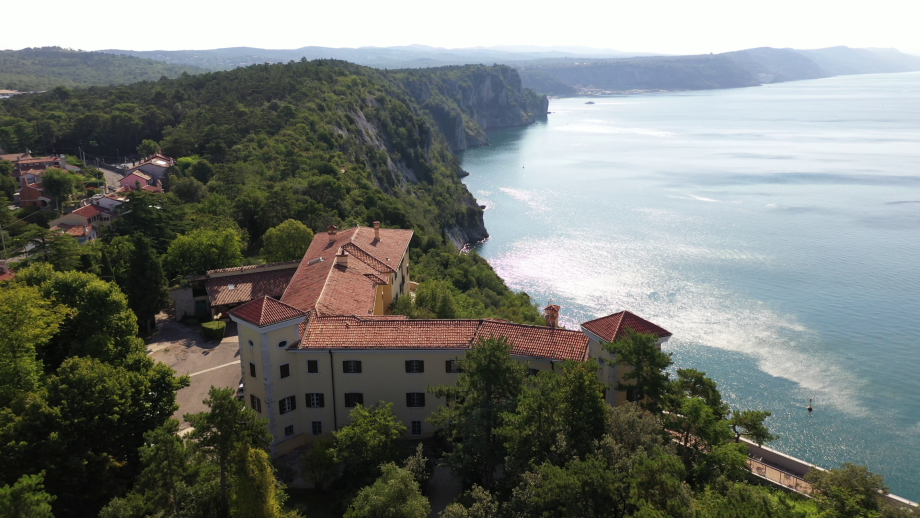
Established in 1982, UWC Adriatic is the first UWC to be set up in a non-English speaking country. The college is located on an open campus in the picturesque coastal village of Duino, just a few kilometres from the border with Slovenia in a region that is a meeting place of Germanic, Latin and Slav cultures.

Three Unique Features

  • Immersive Italian experience: Students experience a UWC education while being continuously exposed to the richness and diversity of Italy’s cultural heritage. The college capitalises on its setting at a political, cultural and geographical crossroads in the heart of Europe.
  • Music: Music plays a major role at UWC Adriatic thanks to the presence of an in-house music academy (ICMA) that aims to explore the full range of musical genres and styles from around the world, while also bringing professional musicians to the college for masterclasses and performances.
  • A village, not a campus: UWC Adriatic is not enclosed in its own campus, rather its residences, academic building, laboratories etc are scattered throughout the village. Students are integrated into the lives of the local and surrounding communities through their daily life and weekly social services.

UWC Adriatic provides a two-year educational pathway for students aged 15-19: the International Baccalaureate Diploma Programme. The IBDP is made up of three core components and six subject groups.

Average class size: 14 students 

International Baccalaureate Diploma Programme

Core components

  • Theory of Knowledge: Students reflect on the nature of knowledge and on how we claim what we know.
  • The Extended Essay: An independent, self-directed piece of research finishing with a 4,000-word paper.
  • Creativity, Activity, Service (CAS): Students take part in a range of experiences and at least one project.
Subjects

  • Studies in language and literature: English Language and Literature, French Literature, Italian Literature, Spanish Literature, Russian Literature
  • Language acquisition: Italian B, Italian Ab Initio, English B
  • Tutored languages: Arabic Literature, Croatian Literature, Serbian Literature, Bosnian Literature, German Literature, Slovene Literature or alternative (school- supported) self-taught languages
  • Individuals and societies: Economics, History, Philosophy, Global Politics, Environmental Systems & Societies, World Arts and Cultures, Psychology
  • Sciences: Biology, Chemistry, Physics, Environmental Systems & Societies
  • Mathematics: Maths – Analysis and Approaches, Maths – Applications and Interpretation
  • The arts: Visual Arts, Music, Theatre
Co-curricular

All students at UWC complete a co-curricular programme called Creativity, Activity and Service

(CAS) – an integral part of the IB qualification. Students get the opportunity to choose a physical, a creative and a social service activity.

Physical activities

Orienteering
Basketball
Climbing
Football
Kayaking
Hiking
Sailing
Road Hockey
Table Tennis
Volleyball
Floor Ball
Swimming
Cross-country and Downhill Skiing
Ultimate Frisbee
Archery
Aerobics
Dance
Karate
Boxing
Capoeira
Yoga
Creative activities

Amnesty International
Ceramics
Creative Writing
Current Affairs Study Group
Decoupage
Model United Nations
Various Musical Activities including Music theory, choir and instrument lessons
TedX
Photography
Sustainability Group
Theatre
Yearbook
Social service

Work with Italian and Slovene speaking children through art, teaching English and other activities in local kindergartens and primary schools.
Multicultural presentations and experiences for students in local primary schools through a range of activities aimed at fighting prejudice and racism.
Assistance to persons with mental or physical disabilities.
Offering companionship to the elderly, the blind or other persons who are confined to their homes.
Visiting the elderly in local institutions.
Working as volunteers in the local Red Cross Ambulance service, following qualification in a first aid course.
Performing musical concerts in hospitals and institutions for elderly and sick people.
Visiting people with multiple sclerosis.
Engaging in sports activities with people with disabilities.
Offering English lessons to the local community.
Visiting the residents of a local hospice.
College Services
Unlocking school buildings in the morning and locking them at night.
Supervising the library.
Recycling.

UWC Adriatic boasts a fully equipped music centre and sports facilities shared with local associations in Duino, fostering interaction with the local youth. Additionally, outdoor activities in the adjacent hills, mountains, rivers and sea provide a wide range of physical challenges.

Medical Centre
Auditorium
Art Centre
Music Room
Science lab
Kayaking and Sailing
Facilities
Residential accommodation:

The college has student residences scattered through the village of Duino. Rooms vary in size and may be single, double, triple or quadruple. Each residence is unique and this is reflected by the distribution of students/rooming and facilities. Every residence is overseen by one or more residence tutors.

  • There is a medical doctor present at the college for 2 hours, four times a week, including Saturday afternoon. 
  • The college nurse visits all day, every weekday. 
  • Emergency medical care, all other medical services and public hospitals are available in nearby Monfalcone and Trieste.

The school supports students’ academic and emotional well-being through:

  • The full-time psychologist and counsellor who assists students with special educational needs and learning difficulties.
  • Assigning students with a personal tutor, who provides both personal and academic support. 
  • Tutorial groups meet weekly and plan dinners and events together to develop the sense of a smaller ‘family’ group.
  • Residence tutors in charge of more practical aspects of residence life.
  • Assistance from the college teacher librarian with specific learning needs when students are referred by the Study Skills support team. 
  • Peer Support programme allows students to connect with trained peer supporters in times of need.

You can apply to UWC Adriatic through your UWC national committee (NC). National committees represent UWC in over 150 countries and territories around the world.
Li Po Chun UWC of Hong Kong

Li Po Chun UWC of Hong Kong

256 Students | 16-18-years

Hong Kong S.A.R., China

1992

Banner imageBanner imageBanner image

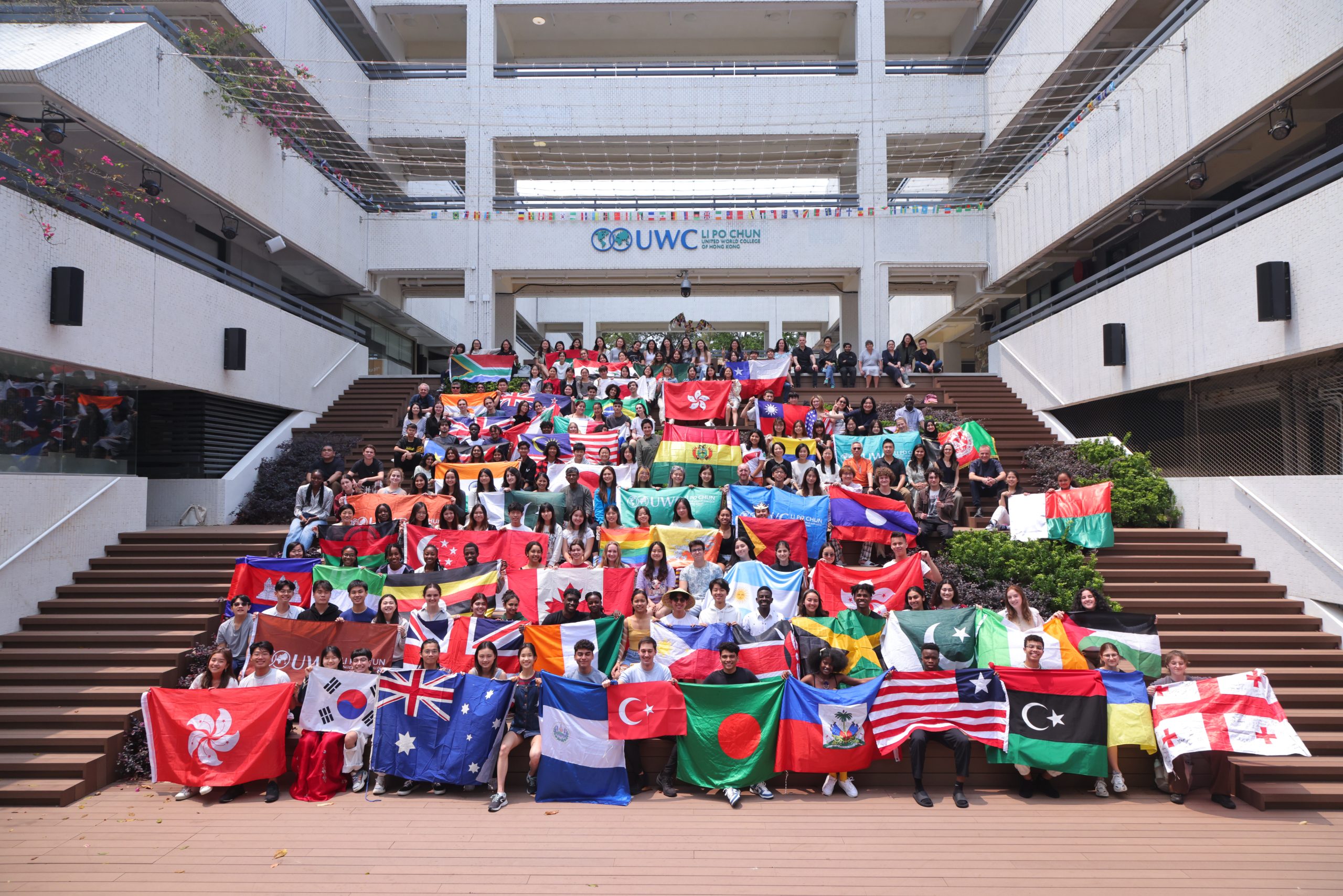
Li Po Chun United World College of Hong Kong (LPCUWC) was established in 1992 as the second UWC in Asia. Situated in the serene outskirts of Ma On Shan Country Park, LPCUWC is also less than an hour from the heart of the city, allowing for frequent and extensive engagement with local communities and organisations. As a tight-knit community surrounded by lush greenery, LPCUWC provides an excellent place for students to develop a deeper understanding of China in relation to Asia and the world through Project Week service trips within the region.

Three Unique Features

  • Quan Cai Program: Through its Quan Cai (‘whole person development’) programme, students are given the responsibility to initiate and run projects and participate in local community service.
  • Chinese Culture: Located in a vibrant city which lies at the crossroads of Asia, students are given the opportunity to develop a deeper understanding of China and Asia through Project Week.
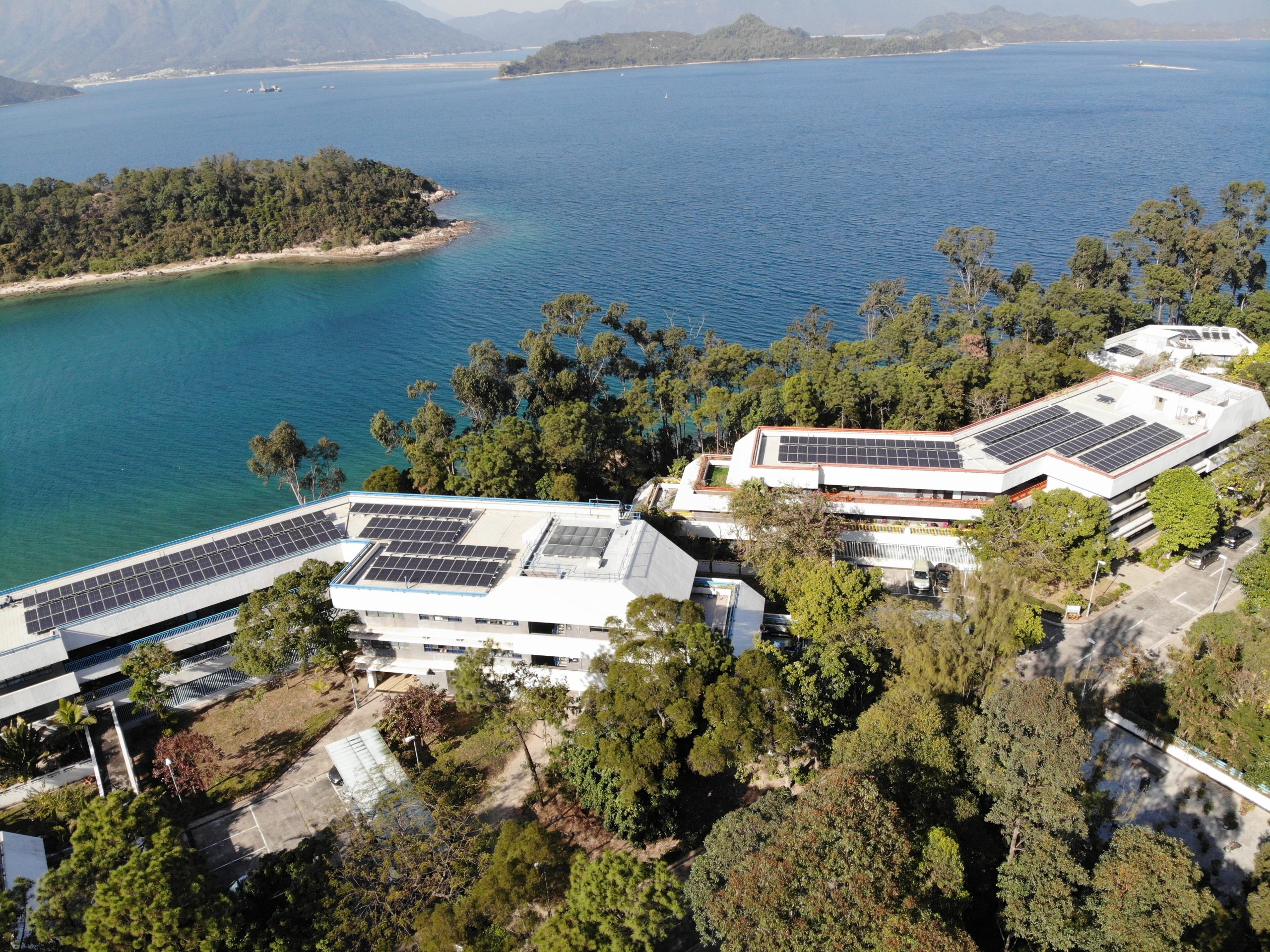
  • Location: The campus is located in a quiet and green haven of Hong Kong, surrounded by trees, mountains, and the beach, whilst simultaneously being only a short commute from the fast-paced skyscraper districts of the city.

Our students follow the International Baccalaureate Diploma Programme (IBDP), which is made up of three core components and six subject groups. with an average class size of 13 students.

Core components

  • Theory of Knowledge: Students reflect on the nature of knowledge and on how we know what we claim to know.
  • The Extended Essay: An independent, self-directed piece of research finishing with a 4,000-word paper.
  • Creativity, Activity, Service (CAS): Students take part in a range of experiences and at least one project.
Subjects

  • Studies in language and literature: English Literature, English Language and Literature, Chinese Literature, Chinese Language and Literature, Spanish Literature, Spanish Language and Literature, School Supported Self-Taught Literature
  • Language acquisition: English B, French B, Chinese B, Spanish B, French Ab Initio, Chinese Ab Initio, Spanish Ab Initio
  • Individuals and societies: Economics, Geography, History, Global Politics, Environmental Systems & Societies, Business Management.
  • Sciences: Biology, Chemistry, Physics, Environmental Systems & Societies
  • Mathematics: Maths – Analysis and Approaches, Maths – Applications and Interpretation
  • The arts: Visual Arts, Theatre
Co-curricular

All students at UWC complete a co-curricular programme called Creativity, Activity and Service (CAS) – an integral part of the IB qualification. Students get the opportunity to choose a physical, a creative and a social service activity. There are more than 70 different CAS experiences (referred to as Quan Cai) offered at LPCUWC.

Physical activities

Badminton
Basketball
Climbing
Football
Kayaking
Krav Maga
Lion Dance
Rugby
Tennis
Volleyball
Work Out
Swimming (Beginners/Developing Confidence Group’s)
Swimming (Advanced swimming, open water and lifesaving skills)
Creative activities

Artmaking
Chinese Dance
Chinese Debate
Chinese Painting
Choir
Dance
Dragon Dance
English Debate
Ensemble
Hong Kong 101
Maths Club
Science
Yearbook
Mindfulness with Yoga
Model United Nations (MUN)
Coral Monitoring / Marine Sustainability
Speech & Drama (AKA ‘School Play’)
Social service

Beach Clean Up
Backstage Crew
Bou Zi – School Newspaper
Cafe
Caritas Tai Wai
Cooking FAHL
Green Pioneers for Sustainability (GPS)
Hong Kong Dog Helpers
Initiative for Peace (IFP)
LPC Souvenir
Marine Sustainability (aka ‘Coral Monitoring’)
Nurse assistant – aka First Aid
Pinehill Village
Playback Theatre
Programming
Refugee Relief
Signs
Sino-Japan Youth Conference (SJYC)
Social Innovation Network Group (SING)
Spanish Buddies/Surviving in Spanish (student tutors)
Students Against Slavery
United World Schools
Working with Domestic Workers
Youth Plus Mission

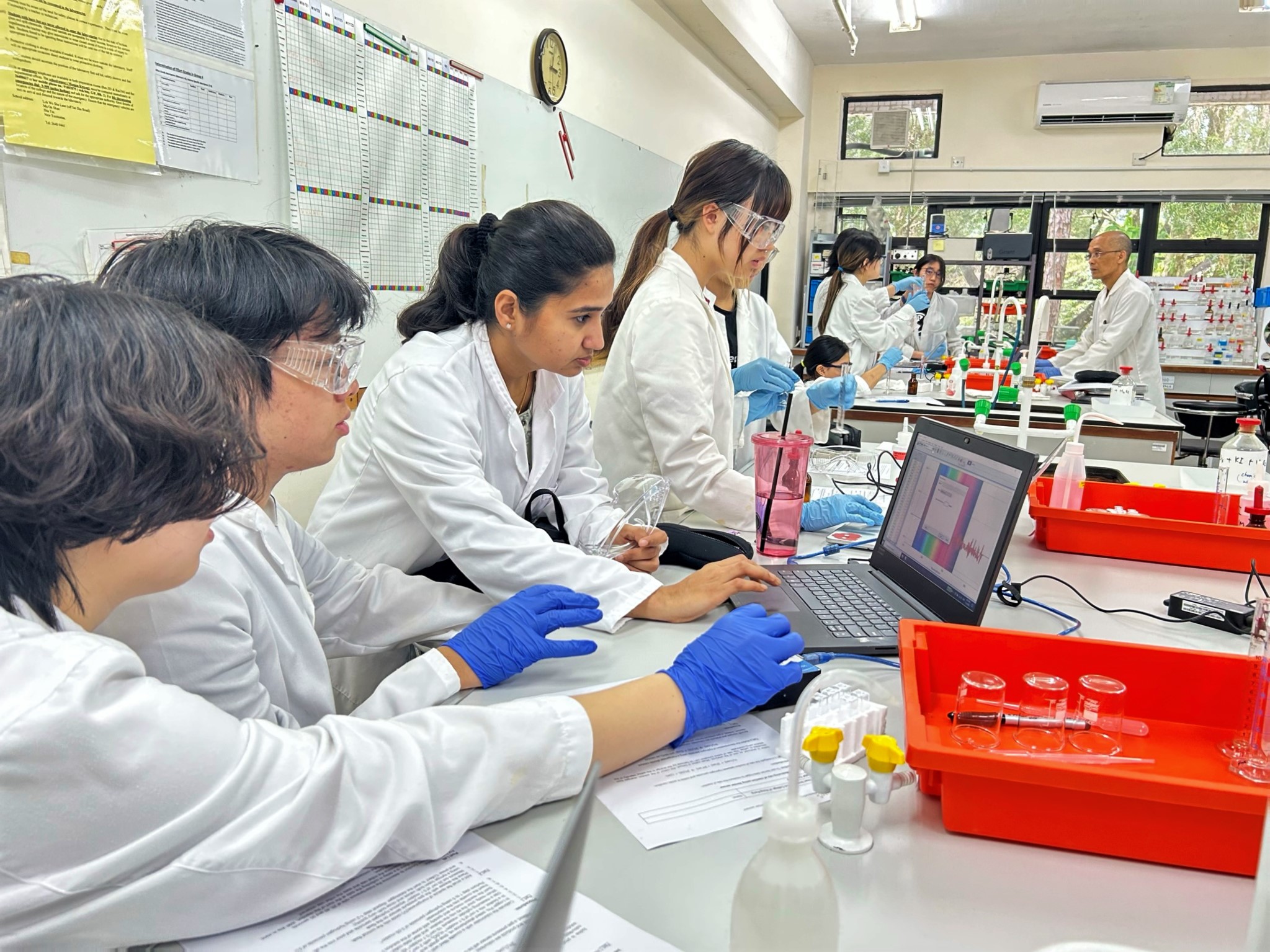
In addition to classrooms, labs and library in the academic building, LPCUWC has a number of amenities from a well- equipped auditorium and theatre, to a climbing wall and outdoor swimming pool.

Medical Centre
Theatre Stage / Assembly Hall
Outdoor Swimming Pool
Gym
Basketball Courts
Tennis Courts
Art Centre
Music Room
Dance Room
Squash Court
Rock Climbing Wall
Amphitheatre
Enlightenment & Spiritual Centre
Residential accommodation:

There are four mixed-gender student residences. Rooms are deliberately mixed with overseas students and local students. All residences have a day room/common room and laundry room. All full-time teachers also live on campus with everyone playing a significant role in the college community, creating and supporting each other’s UWC experience.

Academic and emotional well-being

The school supports students’ academic and emotional wellbeing through:

  • Students partnered with tutor who provides guidance and support to tutor group 
  • Head of House and Director of Student Welfare 
  • Wellbeing programme (sleep, nutrition, exercise, study skills) for first year students 
  • Two part-time college counsellors 
  • Trained student peer supporters

You can apply to UWC LPC through your UWC national committee (NC). National committees represent UWC in over 150 countries and territories around the world.
Filter

Sorry!

No Short Course found.

Pearson College UWC

Pearson College UWC

200 Students | 16-19-years

Victoria, Canada

1974

Banner imageBanner image

Pearson College UWC (PC UWC) draws accomplished young leaders from up to 160 countries and every province and territory of Canada. Pearson’s curricula feature a strong emphasis on experiential education at the residential campus. Located at the southern tip of Vancouver Island and on the traditional territory of the Sc’ianew (Beecher Bay) First Nation, the campus’ forested and temperate coastal location encourages students to undertake challenging learning in both modern classrooms and outdoors year-round.

Three Unique Features

  • A Global Visionary: PC UWC was created and named to honour Nobel Peace Prize Laureate Lester B. Pearson – a visionary former prime minister –  and embodies his commitment to global cooperation. Pearson’s Nobel Prize recognised his pivotal role in establishing the inaugural UN multinational peacekeeping forces, driven by his belief that peace hinges on mutual understanding and knowledge.
  • Climate Action Leadership Diploma (CALD): The new Climate Action Leadership Diploma (CALD) offered at Pearson College UWC is an IB Career-related Program (IBCP) and is among the first of its kind, two-year diploma for 16-19 year-olds who wish to specialise in climate leadership.
  • Ecological Marine Reserve: Pearson College UWC acts as an eco-guardian for the world-renowned Race Rocks Ecological Reserve. Students learn through marine science courses, diving activities and volunteering on the reserve and around Race Rocks islands.

Pearson College UWC provides two distinct two-year educational pathways for students aged 16-19: the International Baccalaureate Diploma Programme and the Climate Action Leadership Diploma (CALD), an innovative alternative to the traditional IB curriculum.

Average class size: 13

International Baccalaureate Diploma Programme

Core components

  • Theory of Knowledge: Students reflect on the nature of knowledge and on how we claim what we know.
  • The Extended Essay: An independent, self-directed piece of research finishing with a 4,000-word paper.
  • Creativity, Activity, Service (CAS): Students take part in a range of experiences and at least one project.
Subjects

  • Studies in language and literature: English Language & Literature, English Literature, Chinese Literature, French Language & Literature, Spanish Language & Literature, School Supported Self-Taught Literature
  • Language acquisition: English B, French B, French Ab initio, Spanish Ab initio
  • Individuals and societies: Economics, History, Global Politics, Philosophy
  • Sciences: Biology, Chemistry, Physics, Marine Science
  • Mathematics: Mathematics – Analysis and Approaches, Mathematics – Applications and Interpretation
  • The arts: Visual Arts, Theatre, Performance
Climate Action Leadership Diploma

Pearson College UWC’s innovative alternative pathway is for students with a passion for tackling the most pressing issue facing humanity – climate change. The Climate Action Leadership Diploma (CALD) is an IB Career-related Programme (IBCP) for 16-19 year-olds wanting to specialise in climate leadership.

The CALD curriculum leverages unique programmatic strengths: the location on the shores of the Salish Sea and amongst the old-growth forests of Vancouver Island, a commitment to collaboration and community building with indigenous elders and knowledge keepers, support for local partnerships with outstanding educational institutions and community leaders and a deliberately diverse cohort of inspired students. The curriculum is designed in alignment with UWC values, the IBCP, partnerships with local universities – Camosun College, Vancouver Island University and Royal Roads University – and informed by an analysis of what the world and our students need through the lenses of the UN Sustainable Development Goals and global intersectional movements for change and solidarity.

Co-curricular

All students at UWC complete a co-curricular programme called Creativity, Activity and Service (CAS) – an integral part of the IB qualification. Students get the opportunity to choose a physical, a creative and a social service activity.

Physical activities

Badminton
Basketball
Sports and outdoor activities
Football
Expedition Kayaking
Paddlesports
Tennis
Zumba
Scuba diving
Swimming
Yoga
Creative activities

Astronomy
Canoeing
Ceramics
Coastal biodiversity
College choir
Drama club
Eco Crafts
College newspaper
International show
Music
Painting
Photography
Robotics
Sustainable fashion
Model United Nations (MUN)
TEDX Talks
World news
Yearbook
Social service

Beach Clean Up
Campus restoration
Food banks
Peer listeners
Work with the elderly
Work with refugees
Work with young children (Primary school)

In addition to classrooms, labs and a specialised marine sciences building, as well as trails and idyllic natural surroundings, Pearson has a number of amenities from meeting rooms and lodging, to bike, kayak and boat rentals.

Medical Centre
Theatre Stage
Auditorium-style Theatre
Workout Gym
Basketball Courts
Off-campus pool facilities
Art Centre
Music Room
Dark Room
Spiritual Centre
Observatory with Telescope
Pottery Studio
Football pitch
Residential accommodation:

There are ten rooms in each residence house and each room is usually shared by four to five students from various countries. Each student has a desk, a bed and a closet. Each house has a place to relax and rejuvenate and were recently renovated to include fully equipped kitchens. Each residence has two houseparents who are responsible for the smooth running of the house.

Medical provision and well-being support

  • Full health and wellness team 
  • Two full-time nurses 
  • Nurse practitioner
  • Clinical counsellors 
  • Pearson College Emergency response Team (PCERT)
Academic and emotional wellbeing

The Dean of Students promotes and preserves the health and well-being of students and community life at the College in collaboration with the health & wellness team, House Parents (parents providing residential support to students), adult residents, advisors, the host family coordinator and other community members.

You can apply through your UWC national committee (NC) or through the UWC Global Selection Programme.

UWC Atlantic

UWC Atlantic

381 Students | 16-19-years

Vale of Glamorgan, United Kingdom

1962

Banner imageBanner imageBanner image

When it opened its doors in 1962, UWC’s founding school – UWC Atlantic – was designed to promote international understanding through education. To this day, the school continues to partner with the International Baccalaureate (IB) to lead in the field of education innovation. It provides a platform for young individuals to learn through shared experiences to become empowered to make a positive difference.

Three Unique Features

  • Innovators – UWC Atlantic is the first institution to offer the pioneering Systems Transformation Pathway, developed with the IB. This innovative curriculum equips students with interdisciplinary skills to tackle global challenges, reinforcing UWC Atlantic’s mission of transformative education.
  • Historic heritage – UWC Atlantic’s stunning 122-acre campus, centred around the 12th-century St Donat’s Castle, offers a unique learning environment with woodland, a working farm and a seafront. It is also the birthplace of the Rigid-Hulled Inflatable Lifeboat (RIB).
  • Deliberate diversity – Our intentionally diverse and vibrant community, with students from across the globe, fosters academic excellence and cultivates informed, proactive global citizens.

UWC Atlantic provides two distinct two-year educational pathways for students aged 15-19: the International Baccalaureate Diploma Programme and the Systems Transformation Pathway, an innovative alternative to the traditional IB curriculum.

Average class size: 13 students

International Baccalaureate Diploma Programme

Most students follow the International Baccalaureate Diploma Programme (IBDP), which is made up of three core components and six subject groups.

Core components

  • Theory of Knowledge: Students reflect on the nature of knowledge and on how we claim what we know.
  • The Extended Essay: An independent, self-directed piece of research finishing with a 4,000-word paper.
  • Creativity, Activity, Service (CAS): Students take part in a range of experiences and at least one project.
Subjects

  • Studies in language and literature: English Language and Literature, Spanish Literature, Self-taught Languages
  • Language acquisition: English B, French B, Spanish B
  • Individuals and societies: Economics, Geography, History, Social & Cultural Anthropology, Global Politics, Environmental Systems & Societies
  • Sciences: Biology, Chemistry, Physics, Environmental Systems & Societies
  • Mathematics: Maths – Analysis and Approaches, Maths – Applications and Interpretation
  • The arts: Visual Arts, Music
Systems Transformation Pathway

Since 2023, UWC Atlantic has offered an alternative piloted educational programme in partnership with the International Baccalaureate called The Systems Transformation Pathway.

This course equips students with the skills, attitude and abilities they need to tackle complex and interdependent systemic challenges. It is fundamentally action-oriented, and it replaces written exams and classroom-based learning with relevant, ambitious, necessary work in complex and authentic real-world contexts. The bespoke curriculum shines a spotlight on Transformative Change, Systems Leadership and Just Futures across the core IBDP curriculum. Students then apply the knowledge they’ve gained, immersing themselves in the impact areas that mean the most to them personally, whether that be biodiversity, energy, food or migration. This course equips students to go beyond treating symptoms to advance transformative change at a systems level.

More information on

https://www.uwcatlantic.org/learning/academic/systems-transformation-pathway

Co-curricular

All students at UWC complete a co-curricular programme called Creativity, Activity and Service (CAS) – an integral part of the IB qualification. Students get the opportunity to choose a physical, a creative and a social service activity.

Physical activities

Badminton
Basketball
Ballet Fit
Football
Boatbuilding and powerboating (Atlantic Pacific and Atlantic)
Box fit
Flootball
Rugby
Tennis
Volleyball
Lifesaving
Swimming lessons
Yoga
Zumba
Paddlesports
Sports and Outdoor Fitness
Creative activities

Amnesty International
Model United Nations
Ceramics
Eco Crafts
Digital Photography
Printmaking
Music composition
Painting
Drama
INK (College newspaper)
Yearbook
Venture For All
Flash (College photography)
International show
Guitar Club
Programming
Orchestra
College Choir
Cookery Club
World News
Girl-up
LASS (Land and sea stewardship)
Croeso Llantwit
Lighthouse Project (UWC Initiatives)
Social service

Music: Therapy for dementia patients
Cardiff refugees programme
Visiting elderly people’s residential homes
Computer Club for elderly
Supporting in local primary schools
Campus Care (gardening, valley and building projects)
Sustainable technology
Sheep farming
Donkey care and therapy
Swap Shop
Kitchen service
Aquatic confidence sessions for local children
Outdoor programme (ALP) – sessions for local school children
Civic Engagement (for local young people on campus)
Global Education Programme (for local children on campus)
Language Guides
Peer Listeners
Cycle Scheme
Activity Friend (Dementia befriending)
Valeways (Maintain footpaths throughout the countryside)
Development Office
Chicken Service
Movement for Life (Tai Chi for Local residents to come into campus)

The campus hosts an arts centre, where student-led productions, community meetings and film screenings take place, and the historic castle includes a library and gothic styled dining hall. Surrounded by woodland and situated on the seafront, students are also eligible to volunteer at the National Coastwatch Institution Station, which assists in the protection and preservation of life at sea.

Medical Centre
Theatre Stage
Outdoor Swimming Pool
Indoor Swimming Pool
Basketball Courts
Tennis Courts
Art Centre
Music Studio
Football Pitch
Library
Sports hall with gym and dance studio
Multi-faith prayer room
Anglican chapel
Climbing wall
Residential accommodation:

There are eight student residences. Typically, boys and girls are separately accommodated on different floors/wings. Most students are in rooms of four with nationalities and cultures deliberately mixed. All houses have a common room, kitchen and a quiet/study room with computer and Wi-Fi access.

Medical provisions:

  • Health centre open seven days a week and staffed by two full-time nurses and a well-being assistant
  • Local doctors (GPs) on campus twice a week 
  • On-call provision 24/7 through our pastoral team and night staff 
  • Local hospitals located 30 and 45 minutes away
Academic and emotional wellbeing:

The school supports students’ academic and emotional wellbeing through:

  • Clinical Psychologist who runs the Health and Wellbeing team on campus
  • Three counsellors who offer social-emotional support through both individual appointments or drop-in sessions
  • House-parents available to support all aspects of student life
  • Weekly meetings with personal tutors to oversee academic, social and emotional wellbeing
  • Tutors from the same house meet regularly with House Parents (parents providing residential support to students)
  • Tutors living on-site do regular house check-in duties

You can apply to UWC Atlantic through your UWC national committee (NC) or through the UWC Global Selection Programme.

Filter

Sorry!

No Short Course found.

UWC Costa Rica

UWC Costa Rica

600 Students | 16-19-years

Santa Ana Downtown, Costa Rica

1963

Banner imageBanner imageBanner image

As the only UWC in Latin America and the Caribbean, UWC Costa Rica (UWC CR) offers a bilingual programme, opportunities to learn more about the region’s social, political and cultural history and opportunities to explore Costa Rica. The country’s long-standing history of peace, democracy, environmental protection and absence of a national military provide the ideal setting to develop UWC Costa Rica’s curriculum.

Three Unique Features

  • Sustainability Framework: The College defines sustainability as a mindset and ethical guideline for balance and well-being, embracing reciprocity. This concept is integrated throughout the curriculum to promote learning from nature and new pedagogies. The College is also purposefully constructing a new campus aligned with this principle, addressing climate change through sustainable construction practices and nature reserve restoration on its property.
  • Agents of Change Programme: An experiential learning adventure where students become aware of their capacity for positive change. Students form project teams and partner with local communities or organisations to gain step- by-step experience in designing, implementing and evaluating a project from a social entrepreneurship approach. Projects focus on activism, social entrepreneurship, technology and sciences..
  • The wellness Initiatives: Initiatives at UWC create a secure, home-like environment fostering belonging, mutual understanding and open-minded learning. Rooted in the College’s sustainability framework, these initiatives instil lifelong skills in emotional wellbeing, healthy relationships, stress management, intercultural communication and understanding within the UWC community.

Our students follow the International Baccalaureate Diploma Programme (IBDP), which is made up of three core components and six subject groups. We are a bilingual college and the IBDP is offered in Spanish and English.

Average class size: 13

International Baccalaureate Diploma Programme

Core components

  • Theory of Knowledge: Students reflect on the nature of knowledge and on how we claim what we know.
  • The Extended Essay: An independent, self-directed piece of research finishing with a 4,000-word paper.
  • Creativity, Activity, Service (CAS): Students take part in a range of experiences and at least one project.
Subjects

  • Studies in language and literature: English Literature, English Language and Literature, Spanish Language and Literature, School Supported Self-Taught Literature
  • Language acquisition: English B, French B, Spanish B, French AB Initio, Spanish AB Initio
  • Individuals and societies: Economics, Geography, History in English, History in Spanish, Social & Cultural Anthropology in English, Global Politics in English, Psychology in English, Environmental Systems & Societies in English and Spanish
  • Sciences: Biology, Chemistry, Physics, Environmental Systems & Societies
  • Mathematics: Mathematics: Analysis and Approaches in English, Mathematics: Applications and Interpretation in English and Spanish 
  • The arts: Visual Arts in English, Theatre in English
Co-curricular

All students at UWC complete a co-curricular programme called Creativity, Activity and Service (CAS) – an integral part of the IB qualification. Students get the opportunity to choose a physical, a creative and a social service activity.

Physical activities

Yoga
Crossfit
Frisbee
Cycling
Table Tennis
Volleyball
Football (Soccer)
Basketball
Aerial Silks
Afro Dance, Asian Dance and Urban/Contemporary Dance
Self-Defense
Swimming
Hiking
Karate
Rugby
Running
Swimming
Zumba
Creative activities

Greenhouse
Campus Naturalists
Eco-Brick/ Eco-crafts
Rethinking Waste
Climate Action
Graphic Novelists
Model United Nations
Art Appreciation
Origami
Chess
Creative Writing
Digital Content Creation
Music Ensemble
Film Production
Rhymer’s Poetry
Music
CASfeteria: Regenerative food systems & traceability
Programming (IT)
Social service

Lifting Hands
Global Issues
Healthy Masculinities
Anti-Racism, Diversity, Inclusion and Equity
College Newspaper
Cosmetics for our community
Peer listeners
Work with indigenous communities
Work with refugees
Work with young children (primary school)
Campus care

UWC Costa Rica’s new campus is located in the mountains of San Isidro de Heredia, on a unique piece of land next to the Braulio Carrillo National Park. The 48 hectares of nature will allow students and guests to immerse themselves in new learning environments, wind down on the trails across campus, learn about the different flora and fauna ecosystems shared with the national park and breathe the fresh air of the mountains. Our current campus at the heart of Santa Ana allows students to directly engage with the Costa Rican community while still surrounded by nature.

Medical Centre & Medical Isolation Spaces
Amphitheatre
Swimming Pool outside campus
Gym
Basketball Courts
Library
Art Centre
Football field
Social Centre
48 hectare campus close to National park and Hiking Trails
Residential accommodation:

Each residence house in Santa Ana has between 24 and 28 students. We have between two and four students per room who are supported by two student resident assistants (who have constant training and adult support) and one adult resident coordinator who lives adjacent to each building.

Students can stay on campus or stay with host families during the mid-term breaks. During summer, students must return to their families.

Medical Provisions

  • Two full-time nurses
  • Paramedics weekday nights and weekends
  • One part-time doctor with office hours.
  • 24/7 on-call emergency services
  • Modern, private hospitals are 15 minutes from school, where we have private health insurance.
  • Students are also covered by the government medical system.
Academic and emotional well-being

The school supports students’ academic and emotional well-being through:

  • Relevant topics reviewed through group activities and talks
  • Wellness counsellors are available on campus to offer one-on-one support 
  • Mentors support students with specific academic needs. 
  • Eight residence coordinators work weekdays and residential staff are available during the weekends 
  • Medical support 24/7
  • Two night-shift staff members
  • Access to external providers such as psychotherapists and psychiatrists for specific cases
  • Wellness ambassadors (a group of students who join the wellness team) to co-create activities and workshops promoting healthy lifestyles

You can apply to UWC Costa Rica through your UWC national committee (NC) or through the UWC Global Selection Programme.

Filter

Sorry!

No Short Course found.

UWC Dilijan

UWC Dilijan

220 Students | 16-17-years

Dilijan, Armenia

2014

Banner imageBanner image

Located in Dilijan, Armenia, on the ancient silk route and at a crossroads of Europe, the Middle East and Russia, UWC Dilijan symbolises the idea of internationalism and friendship. The only UWC in the post-Soviet space, the school aims to work, through education, towards fostering peace and sustainable social, economic and environmental development in the region and the world as a whole.

Three Unique Features

  • Educational hub: One of the foremost objectives of the school is to contribute to the development of the region as an educational cluster, which in turn, fosters education throughout Armenia.
  • Conflict resolution: Due to its geopolitical location and Armenian history, UWC Dilijan provides a unique opportunity for gaining hands-on experience in conflict resolution and peace in an authentic environment.
  • Glocal approach: We believe in “glocal” – our aim is to be globally relevant but anchored into the local reality. We create an environment of understanding other cultures and celebrating diversity.
     

Our students follow the International Baccalaureate Diploma Programme (IBDP), which is made up of three core components and six subject groups.

Average class size: 14 students

International Baccalaureate Diploma Programme

Core components

  • Theory of Knowledge: Students reflect on the nature of knowledge and on how we claim what we know.
  • The Extended Essay: An independent, self-directed piece of research finishing with a 4,000-word paper.
  • Creativity, Activity, Service (CAS): Students take part in a range of experiences and at least one project.
Subjects

  • Studies in Language and Literature: Armenian Literature, English Literature, English Language and Literature, Russian Literature, School-Supported Self- Taught Literature
  • Language acquisition: English B, German Ab Initio, Language and Culture, Russian Ab Initio, Spanish Ab Initio
  • Individuals and societies: Economics, Environmental Systems and Societies, Geography, Global Politics, History, Language and Culture, Philosophy
  • Sciences: Biology, Chemistry, Physics, Environmental Systems & Societies
  • Mathematics: Maths – Analysis and Approaches, Maths – Applications and Interpretation
  • The arts: Visual Arts, Theatre
Co-curricular

All students at UWC complete a co-curricular programme called Creativity, activity and service (CAS) – an integral part of the IB qualification. Students get the opportunity to choose a physical, a creative and a community service activity.

The co-curricular programme at UWC Dilijan consists of 4 elements – CAS, Project Weeks, Focus Weeks and Cultural Weekends. Students work closely with the local community in Dilijan and in neighbouring villages, engaging in the activities of organisations working with kids and the disadvantaged. UWC Dilijan’s outdoor education includes hiking, skiing, sailing and caving expeditions with access to nature to inspire team building and a keen interest in the environment.

Physical activities

Basketball
Football
Dance clubs
Volleyball
First aid
Swimming club
Creative activities

Art in the community
Ceramic with the community
Carpentry
College Choir
Film making
Debate club
DiliMUN (Model United Nations)
Coding
Web programming
Robotics
Tedx
Social service

Language courses – English, Russian, Chinese, Spanish
Science with the community
Swimming for community members
Red Cross club
Service in Bridge of Hope NGO
Cineclub for local kindergarten kids
Peer Listeners
Work with refugees
Hands for Youth
Science with local kids
Greenhouse and sustainability programs
Student cafe
School workshop

The cutting-edge campus is set on eight hectares of sloping and wooded countryside, located in the Dilijan National Park. Its architectural design, employing the most advanced environmental standards, provides access to knowledge anywhere, at any time through technology that fuels a continuous and adaptive learning environment.

24/7 Medical Centre
Cafeteria
Outdoor tennis and basketball courts
FIFA-standard football field
Gardens and community greenhouse
Indoor sports complex: heated swimming pool, gym, exercise spaces and multi-purpose sports hall
Black Box theatre
Art Studio
Music room
Darkroom
Ceramics room
3D printing room
Carpentry room
Residential accommodation:

We have modern, well-equipped residential facilities and students live in one of six boarding houses, known as ‘Toons’ (the Armenian word for home). Typically, students are two or four per room with shared bathrooms. We do our best to ensure a mix of students – by country, culture or language – in each room to foster international understanding.

Students return home for the winter and summer breaks unless they are unable to. In this case, the school helps them to either find a host family or rent a shared apartment with other students.

Medical provisions:

  • Purpose-built 24/7 Medical Centre on site
  • Doctor and team of nurses
  • Well-equipped hospital in Dilijan
  • Close connections with hospitals in Yerevan (90-minute drive from campus)
Academic and emotional well-being

The school supports students’ academic and emotional well-being through:

  • A psychotherapist who visits weekly
  • A full-time well-being counsellor
  • Mentor for students in two weekly tutorial sessions 
  • Live-in Toon parents (as we call houseparents)
  • Links with registered psychiatrists in Yerevan if specialist care is needed
  • A full-time university and careers counsellor
  • Peer Listeners – a group of students trained to support their peers

You can apply to UWC Dilijan through your UWC national committee (NC) or through the UWC Global Selection Programme.

UWC Red Cross Nordic

UWC Red Cross Nordic

205 Students | 17-19-years

Flekke, Norway

1995

Banner imageBanner imageBanner image

Established in 1995, UWC Red Cross Nordic College (UWC RCN) is situated in Flekke, Norway. Proudly operating as a Foundation, the college is sustained by the collective contributions of all Nordic countries, with the Red Cross in Norway and Sogn & Fjordane standing as key founders. Embracing UWC’s commitment to humanitarian principles, students at UWC RCN actively pursue a Red Cross diploma, embodying our dedication to fostering global understanding and service.

Three Unique Features

  • Nordic: Public funding from the Nordic countries enables the college to undertake selection based entirely on merit and potential, creating a learning environment where diversity is truly experienced as a value for all.
  • Humanitarian: The Norwegian Red Cross is one of the founders of the college. In the extra academic programme, all students take an extensive Red Cross diploma, providing knowledge of the humanitarian principles of the organisation and the practical skills associated with them. The College shares the campus and cooperates with the Red Cross Haugland Rehabilitation Centre, which also gives students access to their training facilities.
  • Environmental: The college emphasises awareness of themes related to sustainability in several subjects and has an action component linked to it in several extra academic groups, including cooperation with the region. The certification for Environmental Lighthouse is undertaken with a yearly report.

Our students follow the International Baccalaureate Diploma Programme (IBDP), which is made up of three core components and six subject groups.

Average class size: 14 students

International Baccalaureate Diploma Programme

Core components

  • Theory of Knowledge: Students reflect on the nature of knowledge and on how we claim what we know.
  • The Extended Essay: An independent, self-directed piece of research finishing with a 4,000-word paper.
  • Creativity, Activity, Service (CAS): Students take part in a range of experiences and at least one project.
Subjects

  • Studies in language and literature: Danish Literature, English Literature, English Language & Literature, Norwegian Literature, Spanish Literature, Swedish Literature, School Supported Self-Taught Literature
  • Language acquisition: English B, French Ab Initio, Norwegian B, Spanish Ab Initio, Spanish B.
  • Sciences: Biology, Chemistry, Physics, Environmental Systems & Societies
  • Individuals and societies: Economics, Geography, History, Global Politics, Environmental Systems & Societies, Philosophy, Psychology 
  • Mathematics: Mathematics: Analysis & Approaches, Mathematics: Applications & Interpretation
  • The arts: Visual Arts, Theatre
Co-curricular

All students at UWC complete a co-curricular programme called Creativity, Activity and Service (CAS) – an integral part of the IB qualification. Students get the opportunity to choose a physical, a creative and a social service activity. At UWC RCN, students also complete the Red Cross diploma as part of the CAS programme.

Physical activities

Badminton
Ballet Fit
Basketball
Canoeing
Cricket
Dance
Diving
Football
Interval Training
Outdoor Leadership
Paddlesports
RCN Boats (rowing and maintaining several historical Norwegian wooden boats)
Rock Climbing
Running (including Mountain Running)
Sailing
Sea Kayaking
Skiing
Sports and Outdoor Fitness
Swimming
Table Tennis
Various ball games
Volleyball
Yoga
Creative activities

Ceramics
College newspaper
Cooking
Creative Writing
Dance
Drama club
International Show
Model United Nations
Music
Music Composition
Painting
Photography
Printmaking
Programming (IT)
Robotics
TEDx
World News
Yearbook
Social service

Activities with the elderly
Activities with local “functions-limited” Centre
Amnesty International
Campus care
Climate Activism
Coastal Clean Up
First Aid Team
Gender and Sexuality
Model United Nations
Peer listeners
Red Cross Rehabilitation/Health Centre (projects with patients)
Ridderne – The Knights
Social entrepreneurship (BOOST, DROP, LEAF)
SOS Children’s Villages
Student Council
Work with adults with mental disabilities
Work with adults with physical disabilities
Work with refugees
Work with young children (primary school)
World Today

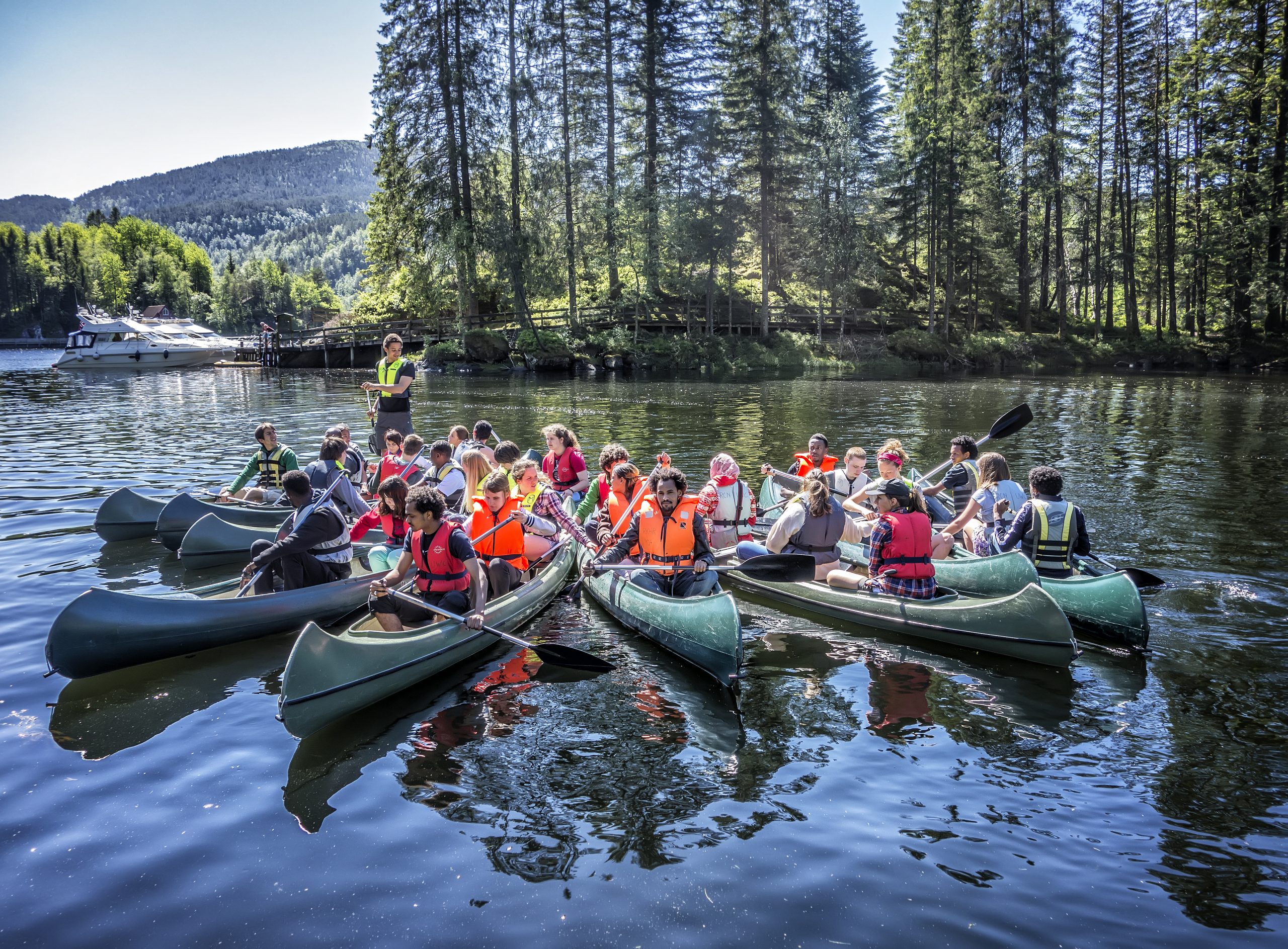
The beautiful UWC RCN campus is nestled on the edge of a fjord in Flekke, Norway. The outdoor setting provides extensive opportunities for engaging with the natural environment, which is a defining aspect of the college.

Medical Centre
Theatre Stage
Indoor Swimming Pool
Football pitch
Art Centre
Music Room
Baking House
Library
Auditorium
‘Kantine’ Student Kitchen
Residential accommodation:

The students live in rooms of five (a combination of 1st and 2nd year students) with an ensuite bathroom. The Houses have individual common areas, with sofas, a table and chairs, refrigerator and freezer, notice boards and simple cooking tools, including a stove, microwave and toaster. House Leaders live adjacent to the boarding houses.

Medical provisions

  • Full-time nurse
  • Medical Centre
  • Wellbeing counsellor
  • Student First Aid Team
  • Nearby doctor in Dale and hospital in Førde
  • Students registered with national health system
Academic and emotional well-being

UWC RCN requires an extra level of resilience given its remote location and the darkness of the winter period. Some students find the isolation of the campus to be more challenging than they expected, although there is a wide range of support in place to help them manage this.

The school supports students’ academic and emotional wellbeing through:

  • Wellbeing Counsellor – qualified Social Worker offering socio-emotional support to students
  • Community Life Leader and House Leaders are qualified Mental Health First Aiders 
  • SAD lamps in the common areas 
  • Peer support organisations, including the Peer Listeners, Gender and Sexuality Group and Student Council 
  • Regular workshops on Diversity and Inclusion, Consent, Non-Violent Communication skills, Active listening 
  • Each student has a personal advisor with whom they meet regularly, as well as a House Leader

You can apply through your UWC national committee (NC) or through the UWC Global Selection Programme.

UWC-USA

UWC-USA

220 Students | 17-19-years

Montesuma, New Mexico

1982

Banner imageBanner imageBanner image

Founded in 1982, UWC-USA’s location in Montezuma, New Mexico, was chosen because of its remarkable beauty and proximity to immense wilderness areas in the historic region of Northern New Mexico. At UWC-USA students forge connections with peers of diverse backgrounds, engage in community service and develop a profound respect for nature through wilderness experiences. Simultaneously, they navigate a demanding IB diploma programme, gaining practical idealism skills that shape them into lifelong changemakers.

Three Unique Features

  • Community service: Students perform over 17,000 hours of community service each year in soup kitchens, at the local residential mental hospital and in local schools. San Miguel County, where Montezuma is located, has one of the highest poverty rates in the country.
  • Wilderness: The Wilderness Programme at UWC-USA focuses on empowering students to embrace their personal strengths and leadership skills through self-discovery in the outdoors. Opportunities exist in backpacking, hiking, river walking, adventure biking, climbing, swimming and overnight camping with an emphasis on positive group dynamics, individual self-reflection and safety.
  • Bartos Institute: The Bartos Institute for the Constructive Engagement of Conflict has an endowed array of programmes dedicated to fostering conflict resolution and cross-cultural skills.

UWC-USA provides a two-year educational pathway for students aged 15-19: the International Baccalaureate Diploma Programme. The IBDP is made up of three core components and six subject groups.

Average class size: 16 students

International Baccalaureate Diploma Programme

Core components

  • Theory of Knowledge: Students reflect on the nature of knowledge and on how we claim what we know.
  • The Extended Essay: An independent, self-directed piece of research finishing with a 4,000-word paper.
  • Creativity, Activity, Service (CAS): Students take part in a range of experiences and at least one project.
Subjects

  • Studies in language and literature: English Literature, English Language & Literature, French Language & Literature, Spanish Literature, School Supported Self-Taught Literature
  • Language acquisition: English B, French B, French B Ab initio, Italian B Ab initio, Spanish B, Spanish B Ab initio
  • Individuals and societies: Economics, History, Global Politics, Social & Cultural Anthropology, IT in a Global Society
  • Sciences: Biology, Chemistry, Physics, Environmental Systems & Societies
  • Mathematics: Mathematics: Analysis & Approaches, Mathematics: Applications & Interpretation
  • The arts: Visual Arts, Theatre, Dance
Co-curricular

All students at UWC complete a co-curricular programme called Creativity, Activity and Service (CAS) – an integral part of the IB qualification. Students get the opportunity to choose a physical, a creative and a social service activity. UWC-USA offers approximately 50 CAS options that are grouped into four tracks: Arts and Culture; Constructive Engagement of Conflict; Sustainability; and Wilderness.

Physical activities

Wilderness Program Wild ExEdinton
Wilderness Leadership Training
Tennis
Ultimate Frisbee
Volleyball
Yoga
Zumba
Swing Dance
Squash
Table Tennis
Basketball
Football (Soccer)
Dance Ensemble
Physical Fitness
Running
Creative activities

African Chorus
Latin Ensemble
Percussion Ensemble
Global Chorus
Silk Road Ensemble
Chamber Music
Jazz and Contemporary Ensemble (Music Improv)
Dance Ensemble
Yearbook
Marketing and Communications
Play Production
Theatre Technology
Literati (Student-run periodical)
Poetry Reading
Model United Nations (MUN)
Youth and Government
Social service

Work with homeless shelters
Work with teens in a behavioural health institute
Tutor Spanish in the local schools
Philosophy for children course in local schools
Work in the local soup kitchen
Work with developmentally disabled adults in a local institute
Work with the elderly in assisted living facilities
Student Council

UWC-USA is located at the edge of the Pecos Wilderness in the foothills of the Sangre de Cristo Mountains. The 200 acre campus is anchored by the famous Montezuma Castle and includes several classrooms, residential buildings as well as an extensive sports complex. The 20-acre Agroecology Research Centre – or ‘The Farm’ – features a working farm utilising sustainable agriculture techniques, providing produce for the campus dining hall.

Health Clinic
Theatre Stage
Gym
Football Pitch
Basketball Courts
Art Centre
Tennis Courts
Music Room
20-acre Farm
Climbing Wall
Squash Courts
Weight Room
Meditation Light Sanctuary
Dance Studio
Greenhouse
Student Centre
Library
IT Centre
Residential accommodation:

There are six residential dorm spaces, each housing around 40 students, with resident coordinators and resident assistants for each dorm. There is a kitchen and “dayroom” in each facility, with students living two to three per room.

Medical provisions

  • Health Clinic on campus
  • Full-time registered nurse
  • Hospital within 20 minutes of campus
Academic and emotional well-being

Support at UWC-USA comes in various ways, starting with our general ethos of celebrating our differences while looking for what connects us all. Students have access to small classes, excellent teachers, college counsellors, residence coordinators, student RAs, academic advisors, personal counsellors, peer tutors, a health clinic and licensed therapists.

The dining hall offers a wide variety of food options including both meat and plant-based choices at every meal. Much of the produce is grown on the UWC-USA farm.

Students also find support via their various identities in groups such as the Black Caucus, LGBTQ+ association and regional affiliation. Other support comes from the Student Wellness Education and Empowerment Team (SWEET), Constructive Engagement of Conflict, Climate Action Team and the Inclusivity, Diversity, Equity and Access (IDEA) team. Courses in CPR, First Aid and Mental Health First Aid are offered regularly.

You can apply through your UWC national committee (NC) or through the UWC Global Selection Programme.
Secret Link